
Red eyes in Singapore: Why you shouldn't ignore these warning signs
Written by Eagle Eye Centre
Published on July 13, 2026
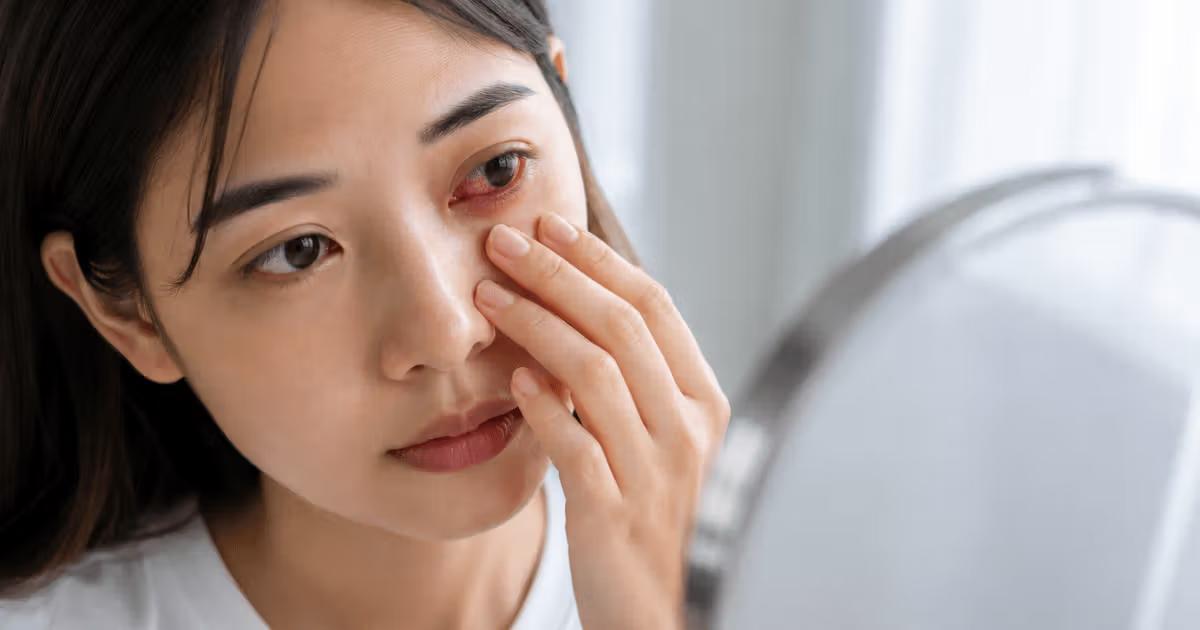
Red eyes are one of the most common eye complaints in Singapore, and one of the most frequently dismissed. Many people assume redness is simply a sign of tiredness or too much screen time, and wait for it to pass on its own. In some cases, that may be true. In others, red eyes can be an early sign of an underlying condition that requires proper attention.
Understanding what your symptoms are telling you is the first step to protecting your vision.
What causes red eyes?
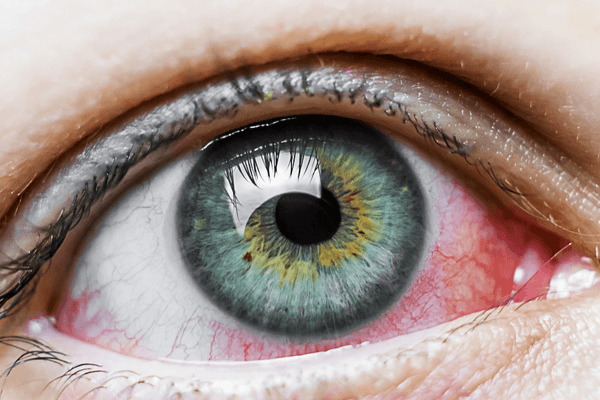
Red eyes occur when the small blood vessels on the surface of the eye become irritated and dilated, making the white of the eye appear pink or bloodshot.
Common causes include:
- Prolonged screen time and digital eye strain
- Dry eyes
- Dust, pollen, or environmental allergies
- Contact lens wear or overwear
- Eye infections such as conjunctivitis
- Eye injuries or foreign bodies
- Underlying eye conditions such as uveitis or glaucoma
Some causes are mild and resolve with rest. Others require prompt medical attention. The key is knowing the difference.
Paying attention to eye discharge
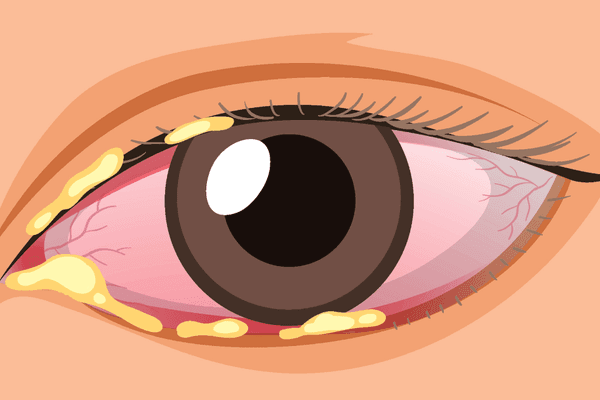
One of the most useful indicators of how serious your red eye symptoms are is the type of discharge present.
A small amount of clear or slightly crusty discharge upon waking is generally normal. However, changes in the colour or consistency of discharge can signal that something more significant is happening.
Clear or watery discharge Often associated with allergies or viral irritation. Usually not a cause for immediate concern, but worth monitoring.
Thick, yellow, or green discharge This strongly suggests a bacterial or viral eye infection such as conjunctivitis. Symptoms may include eyes that feel stuck together after sleep, sensitivity to light, and discomfort or pain. This warrants a professional eye assessment.
Pus-like or persistent discharge This should not be left untreated. Seek professional advice promptly.
When should you see an eye doctor?

Not every case of red eyes requires an urgent visit, but certain symptoms should not be ignored or self-treated.
See an eye care professional if you experience:
- Red eyes that do not improve after a day or two of rest
- Thick, coloured, or persistent eye discharge
- Eye pain or significant discomfort
- Sensitivity to light
- Blurred or changes in vision
- A feeling that something is stuck in your eye
- Red eyes alongside other systemic symptoms such as fever
Avoid rubbing your eyes, as this can introduce bacteria and worsen irritation. Over-the-counter eye drops may provide temporary relief but are not a substitute for a proper diagnosis, particularly if symptoms persist or worsen.
Different eye conditions require different treatments. Self-diagnosis or using leftover eye drops without medical guidance can delay appropriate care and, in some cases, cause further harm.
Home care for mild red eyes
For mild irritation without discharge or pain, the following may help while you monitor your symptoms:
- Rest your eyes and reduce screen time
- Apply a clean, cold compress to closed eyelids
- Avoid wearing contact lenses until symptoms resolve
- Stay away from known allergens where possible
- Avoid touching or rubbing your eyes
If symptoms persist beyond a day or two, or worsen at any point, arrange a professional eye assessment.
Getting a comprehensive eye screening

Red eyes that are persistent, recurrent, or accompanied by other symptoms may benefit from a thorough eye assessment to identify any underlying causes and guide appropriate follow-up care.
Eagle Deluxe Eye Screening is Eagle Eye Centre's most comprehensive eye screening package. It may be suitable for individuals with:
- Persistent or recurring redness
- Unexplained vision changes
- Recurrent eye discomfort
- High myopia or diabetes
- A family history of eye disease
- Those who have not had a detailed eye check for some time
The screening includes vision testing, eye pressure assessment, OCT imaging, retinal photography, corneal topography, visual field testing, slit-lamp examination, optometrist consultation, a screening report, and a doctor consultation.
If red eyes or other symptoms require further evaluation, the doctor can advise on the appropriate next steps based on the screening findings.
Speak to our specialists
Accurate diagnosis is the foundation of appropriate eye care. Red eyes can look similar across different conditions, and the right treatment depends on identifying the correct underlying cause.
Dr Lim Wee Liak

Director of Uveitis, Ocular Inflammation, Immunology Services
A very experienced eye doctor known for his excellent patient care and clear guidance on general eye health….
Get to know more about Dr Lim Wee Liak→
Dr Jay Siak

Director of Uveitis, Ocular Inflammation & Autoimmune Eye Disease
A leading specialist who focuses on finding and treating complex eye surface conditions and infections…
Get to know more bout Dr Jay Siak→
Dr Stephen Teoh

Director of Vitreoretinal Surgery, Retinal Services and Uveitis
Widely respected for his careful and precise medical skills, providing personalized treatments for various eye diseases…
Get to know more bout Dr StephenTeoh→
If you are experiencing persistent red eyes, unusual discharge, or any other eye symptoms that concern you, our team of ophthalmologists is available to assess and advise.