
Blurred Vision
What is blurred vision?
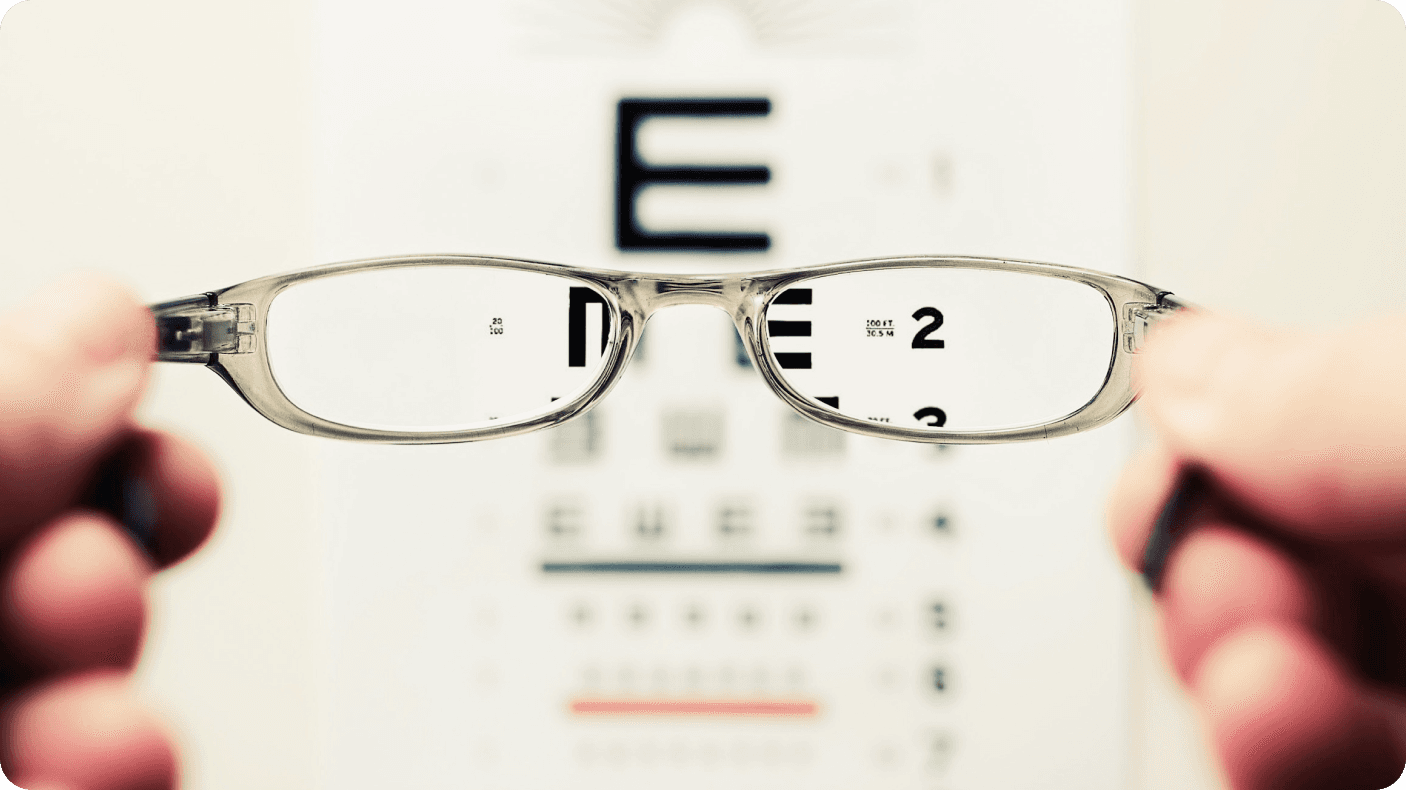
Blurred vision refers to a loss of clarity in your eyesight, where objects appear hazy or out of focus. You might try rubbing your eyes or checking your spectacles for smudges, but the blur persists. Depending on the cause, blurriness may affect your entire vision or just part of it, such as centrally, peripherally, or in one eye only.
Common symptoms
- Difficulty focusing
- Eye strain or fatigue
- Sensitivity to light (Photophobia)
- Headaches or dizziness
- Redness or discomfort in the eyes
Long-term causes & treatments
When blurred vision persists, it may point to a more serious or chronic condition.

Refractive Errors
Conditions like myopia (short-sightedness), hyperopia (long-sightedness), astigmatism, and presbyopia affect how light focuses on the retina. Blurry vision, glare, and trouble focusing are common symptoms. Glasses, contact lenses, or refractive surgery can improve clarity.

Short-term causes
Temporary blurred vision can result from environmental or physical triggers, such as:
- Excessive screen time leading to digital eye strain
- Foreign objects or debris in the eye
- Ocular migraines, causing flashing lights or temporary vision loss in one eye
- Floaters, which are small clumps in the vitreous gel that drift across the vision field
- Pregnancy, due to hormonal changes affecting fluid balance in the eyes
Most of these causes resolve on their own but should be monitored if they recur.
How it is diagnosed?

common questions about blurred vision
To identify the cause of blurred vision, an eye specialist will begin with a full medical history and symptom review. You may be asked:
- How long have you had blurred vision?
- Is it constant or does it come and go?
- Do you have any systemic conditions such as diabetes or hypertension?
When is blurred vision an emergency?
In some cases, blurred vision is a medical emergency. Seek immediate care if you experience any of the following:
- Sudden vision loss with weakness in the face or limbs, slurred speech, or balance issues, which could signal a stroke
- Blurred vision following a head injury, especially with nausea or confusion, which may indicate a concussion
- Temporary vision loss or flashing lights, which could suggest a transient ischaemic attack (TIA) or retinal migraine
Prompt attention is important to prevent long-term complications.
Can blurred vision be prevented?
While not all causes of blurred vision are preventable, you can take steps to protect your eye health:
Rest your eyes regularly
during prolonged screen use
Wear sunglasses
with UV protection outdoors
Maintain good hygiene
if you use contact lenses
Follow a balanced diet
rich in eye-friendly nutrients such as lutein and omega-3
Avoid smoking
Attend comprehensive eye exams
every one to two years
Can blurred vision be prevented?
WHAT YOU SEE MATTERS
Caring for your eyes
Blurred vision is common with screen use and ageing. Early detection protects your sight. At Eagle Eye Centre, our experts use advanced diagnostics to find the cause and create personalised treatment plans, keeping your eyes healthy for the long term.