
Glaucoma Treatment
Early Detection, Monitoring and Treatment
Glaucoma Treatment
Glaucoma is a group of eye conditions that can damage the optic nerve over time. It is commonly associated with increased eye pressure (intraocular pressure), which may lead to progressive and irreversible vision loss if left untreated.
Glaucoma is often referred to as the “silent thief of sight” because many patients experience no noticeable symptoms in the early stages. Regular eye examinations are essential for early detection, timely treatment, and preservation of vision.
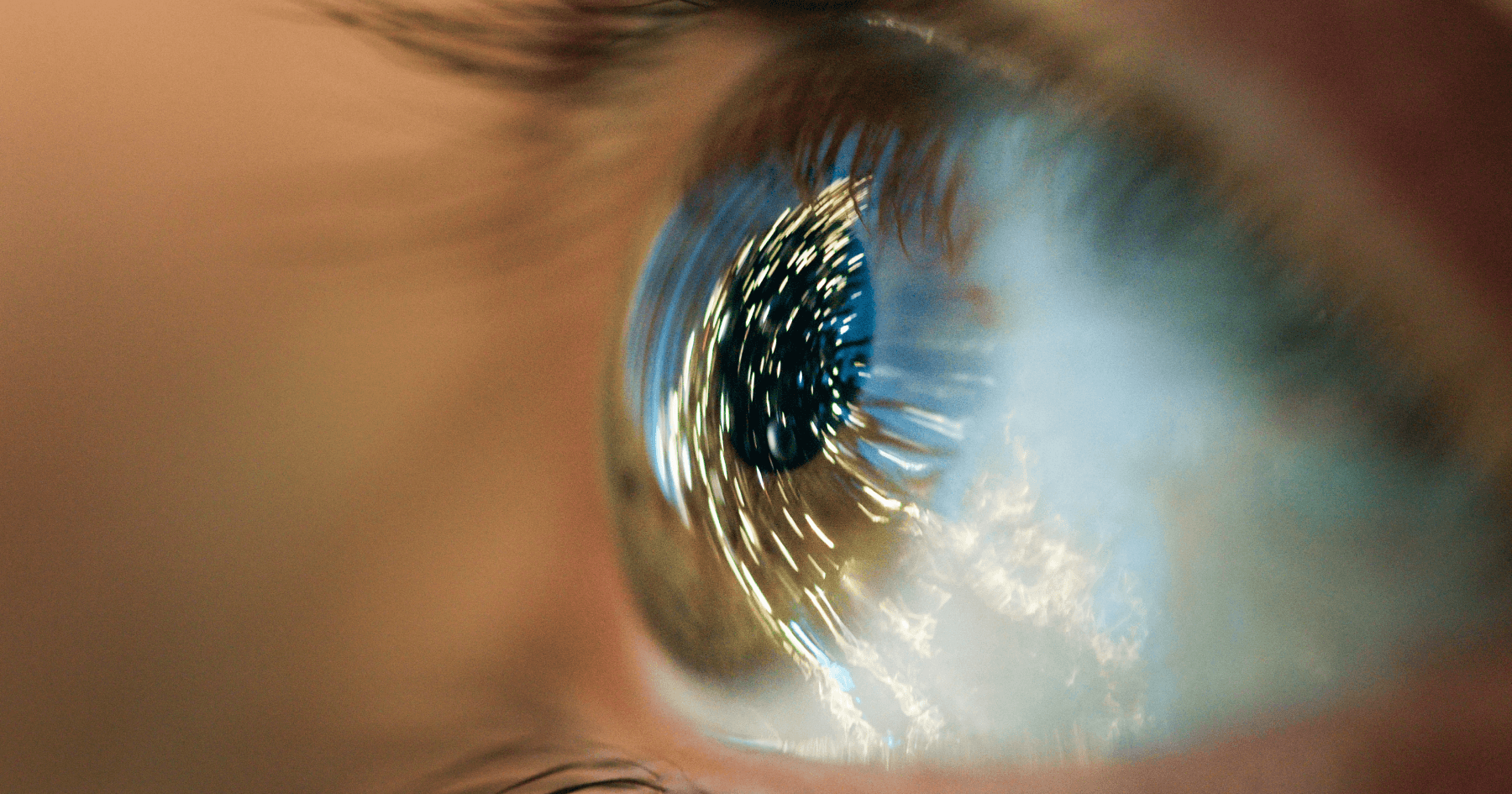
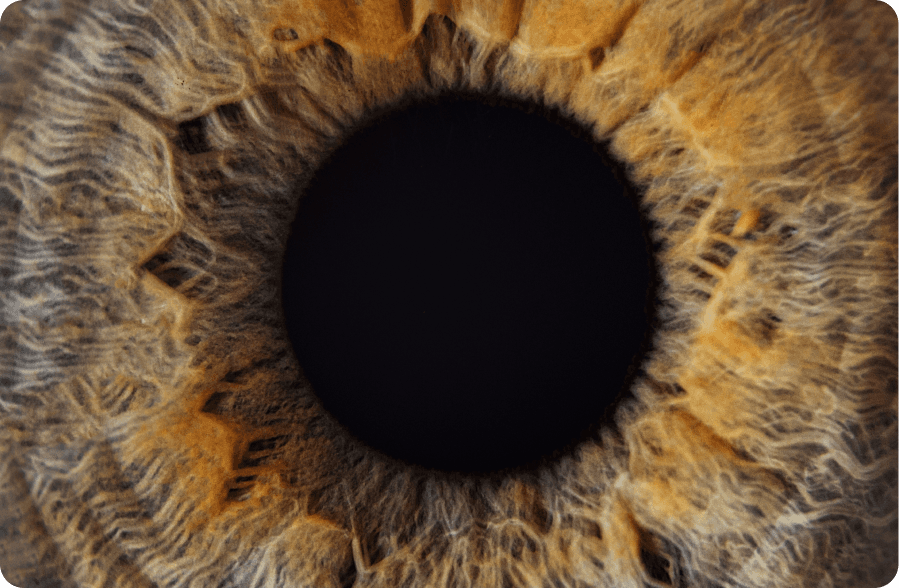
What is glaucoma?
Glaucoma is an eye condition that affects the optic nerve, which is responsible for transmitting visual information from the eye to the brain. Damage to the optic nerve is often related to elevated eye pressure, although glaucoma can also occur in individuals with eye pressure within the normal range. Without appropriate treatment and monitoring, glaucoma may result in permanent vision loss.
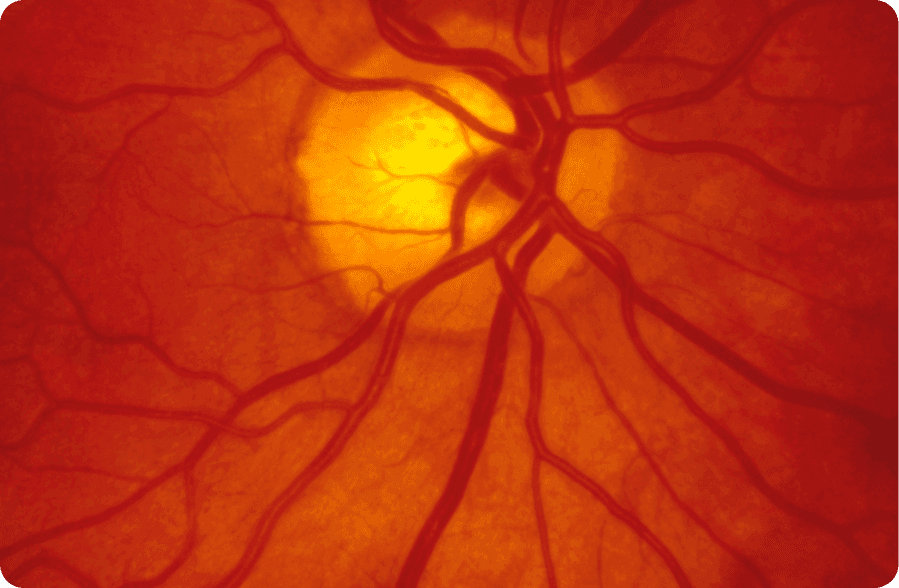
Why glaucoma is serious?
Glaucoma is a leading cause of irreversible blindness worldwide. In Singapore, it is a significant contributor to vision impairment, particularly among older adults. Because early glaucoma usually does not cause pain or noticeable vision changes, many individuals remain unaware of the condition until significant optic nerve damage has already occurred. Vision loss from glaucoma cannot be reversed, making early diagnosis and long-term management critical.
Causes & risk factors
The most important risk factor for glaucoma is raised intraocular pressure, which occurs when there is an imbalance between fluid production and drainage within the eye. However, optic nerve damage may still occur at “normal” pressure levels in susceptible individuals.
Increasing age
Family history of glaucoma
Previous eye injuries or trauma
Long-term use of steroid medications
(eye drops or systemic steroids)
Diabetes and high blood pressure
High myopia or high hyperopia
Eye inflammation
Advanced cataracts
Previous eye surgeries
Causes & risk factors

How glaucoma affects vision?
Glaucoma is a leading cause of irreversible blindness worldwide. In Singapore, it is a significant contributor to vision impairment, particularly among older adults. Because early glaucoma usually does not cause pain or noticeable vision changes, many individuals remain unaware of the condition until significant optic nerve damage has already occurred. Vision loss from glaucoma cannot be reversed, making early diagnosis and long-term management critical.
Types of Glaucoma

Angle-closure glaucoma
Angle-closure glaucoma occurs when the drainage angle is narrow or closed, leading to impaired fluid outflow and increased eye pressure.
- Acute angle-closure glaucoma is a medical emergency and may cause sudden symptoms such as severe eye pain, headache, nausea, vomiting, blurred vision, halos around lights, and eye redness.
- Chronic angle-closure glaucoma progresses more slowly and may not cause noticeable symptoms.
Individuals with narrow or occludable angles may benefit from preventive laser treatment.
Screening & diagnosis
These tests help determine the presence, severity, and progression of glaucoma. A comprehensive glaucoma assessment may include:
Measurement of visual acuity
Eye pressure assessment
Examination of the optic nerve
Evaluation of the drainage angles
Visual field testing to assess peripheral vision
Optic nerve imaging to monitor structural changes
Screening & diagnosis
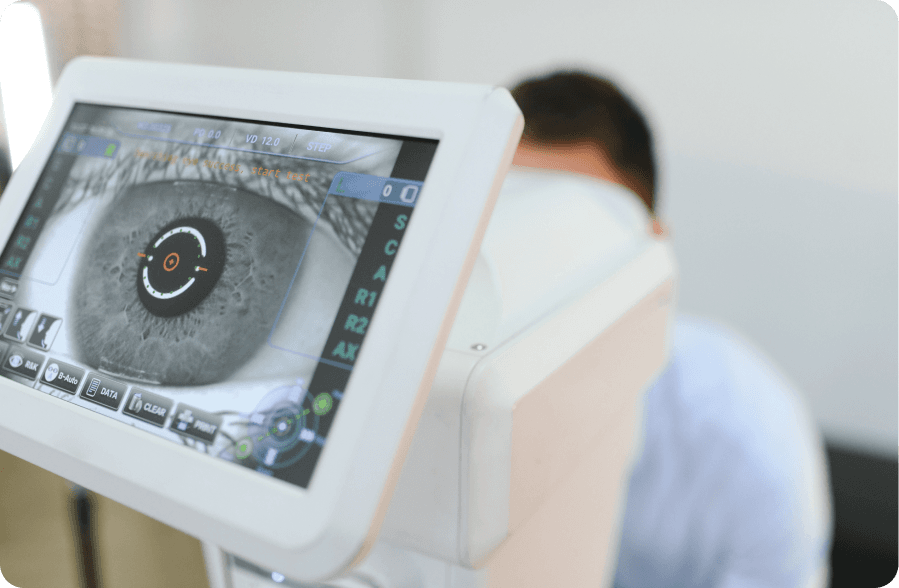
Normal tension
Normal Tension Glaucoma occurs when optic nerve damage develops despite eye pressure readings within the normal range. At Eagle Eye Centre, evaluation for this condition may include:
- Eye pressure phasing
- Posture-related pressure assessment
- Targeted questionnaires
- Advanced optic nerve imaging
Management focuses on lowering eye pressure further and monitoring optic nerve health.
Treatment & management
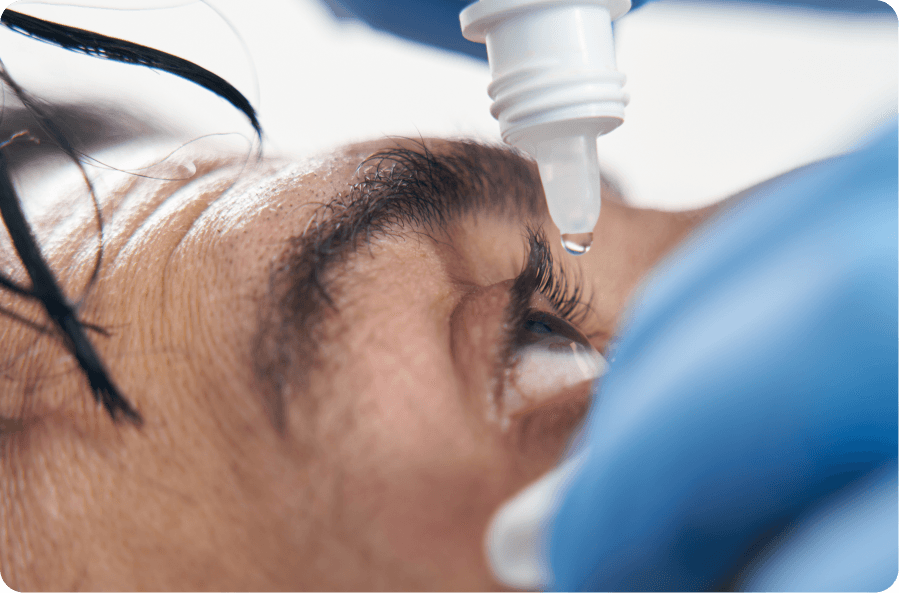
Glaucoma treatment aims to lower eye pressure to reduce the risk of further optic nerve damage.
Treatment and management
Treatment is individualised and may include:
- Prescription eye drops
- Laser treatments
- Surgical procedures
While treatment can help preserve remaining vision, it cannot restore vision already lost. Lifelong monitoring is required.

Using glaucoma eye drops correctly
Proper use of eye drops is essential for effective glaucoma control:
- Use drops exactly as prescribed
- Wait at least 5 minutes between different eye drops
- Gently press the inner corner of the eye for 30 seconds after instillation
- Wipe away excess drops
- Set reminders to ensure regular use
- Bring your medications to each appointment
- Do not stop or miss doses without consulting your doctor
Laser treatment for angle closure
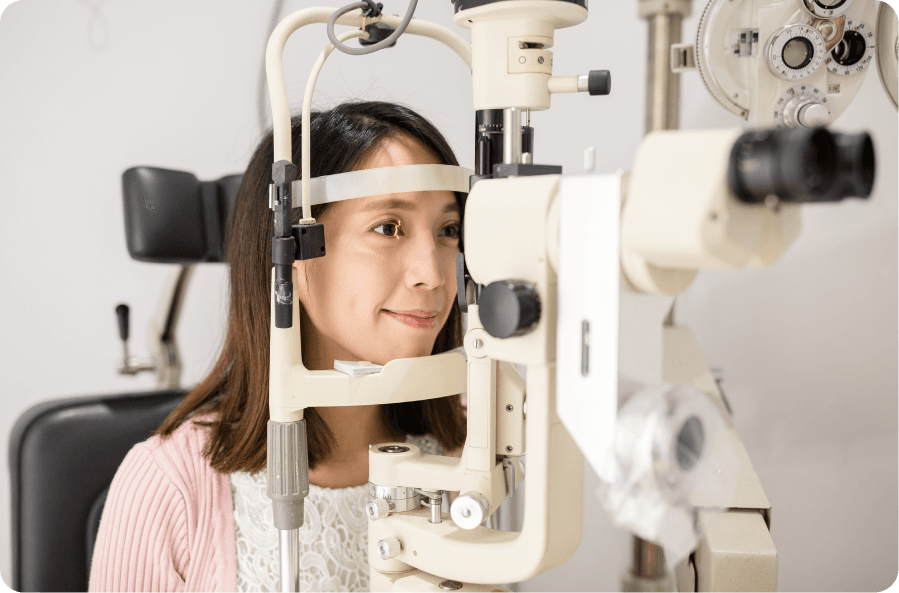
Laser peripheral iridotomy may be recommended for patients with narrow or closed angles to reduce the risk of sudden eye pressure rise. The procedure:
- Is performed as an outpatient treatment
- Is usually quick and well tolerated
- Requires minimal recovery time
Temporary symptoms such as mild discomfort or blurred vision may occur. Your eye specialist will explain the procedure, aftercare, and potential risks during consultation.
The importance of early detection
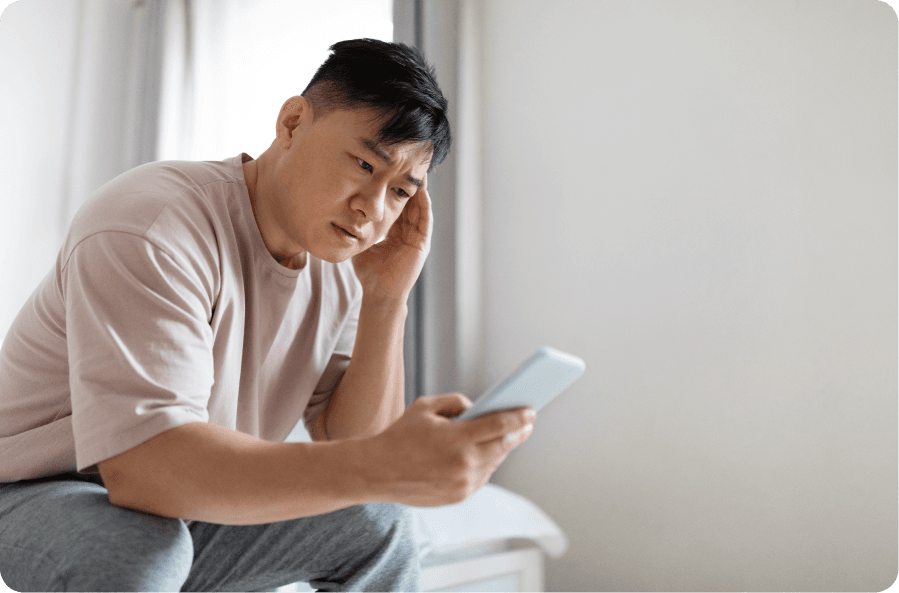
Early detection and appropriate management can significantly reduce the risk of severe vision loss from glaucoma. It is advisable to have a comprehensive eye examination if you:
- Are over 40 years old
- Have a family history of glaucoma
- Use steroid medications
- Have diabetes or high refractive error
- Have had eye injuries or surgeries
- Experience blurred vision or eye discomfort
Frequently asked questions
Ask us anything about how we can help you understand glaucoma better.
Our specialists
Our team includes experienced ophthalmologists with expertise in glaucoma assessment, treatment, and long-term monitoring. Using comprehensive diagnostic testing, optic nerve imaging, eye pressure assessment, visual field testing, and individualized treatment planning, we provide evidence-based care for patients with suspected or diagnosed glaucoma. Treatment may include prescription eye drops, laser procedures, surgical options, and ongoing monitoring to help lower eye pressure, protect the optic nerve, and reduce the risk of further vision loss.


WHAT YOU SEE MATTERS
Early detection protects your vision
Glaucoma often shows no early symptoms, regular eye checks help detect and manage it before permanent damage occurs.