
Ocular Inflammation (Uveitis)
What Is Ocular Inflammation (Uveitis)?
Ocular inflammation, also known as uveitis, happens when inflammation develops inside the eye. It may cause redness, eye pain, light sensitivity, floaters, blurred vision, or reduced vision. Because inflammation can involve deeper eye structures, symptoms should be assessed by an eye specialist rather than treated as simple surface irritation.
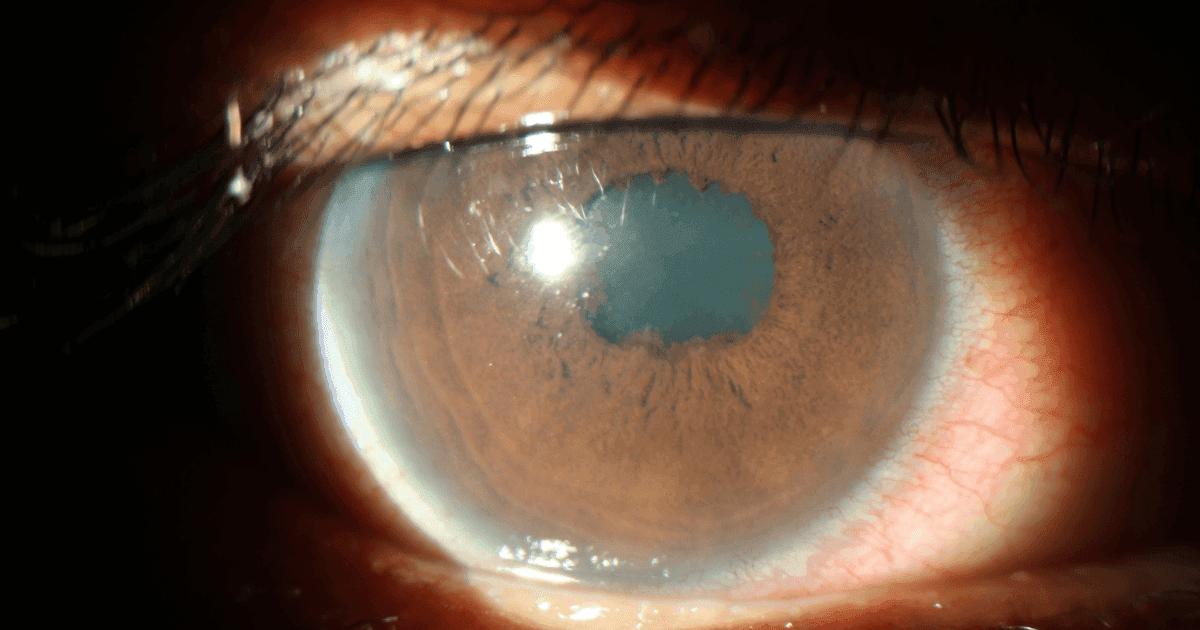
Types of Ocular Inflammation (Uveitis)
Uveitis types are commonly classified by the part of the eye where inflammation occurs. This helps guide diagnosis, monitoring and treatment planning.
- Anterior uveitis: inflammation near the front of the eye, often affecting the iris or nearby focusing structures
- Intermediate uveitis: inflammation around the middle section of the eye, including the vitreous area
- Posterior uveitis: inflammation involving the back of the eye, such as the retina or choroid
- Panuveitis: Involves inflammation across the whole uveal tract, affecting multiple parts of the eye.
Common Symptoms
Symptoms of Ocular Inflammation (Uveitis) can vary depending on which part of the eye is inflamed. Some people may notice a red, painful eye, while others may experience floaters or changes in vision.
Common symptoms include:
- Eye redness
- Eye pain or discomfort
- Blurred vision
- Floaters in vision
- Light sensitivity
- Reduced vision
- Irregular pupil in some cases
- Headache or eye ache in some cases
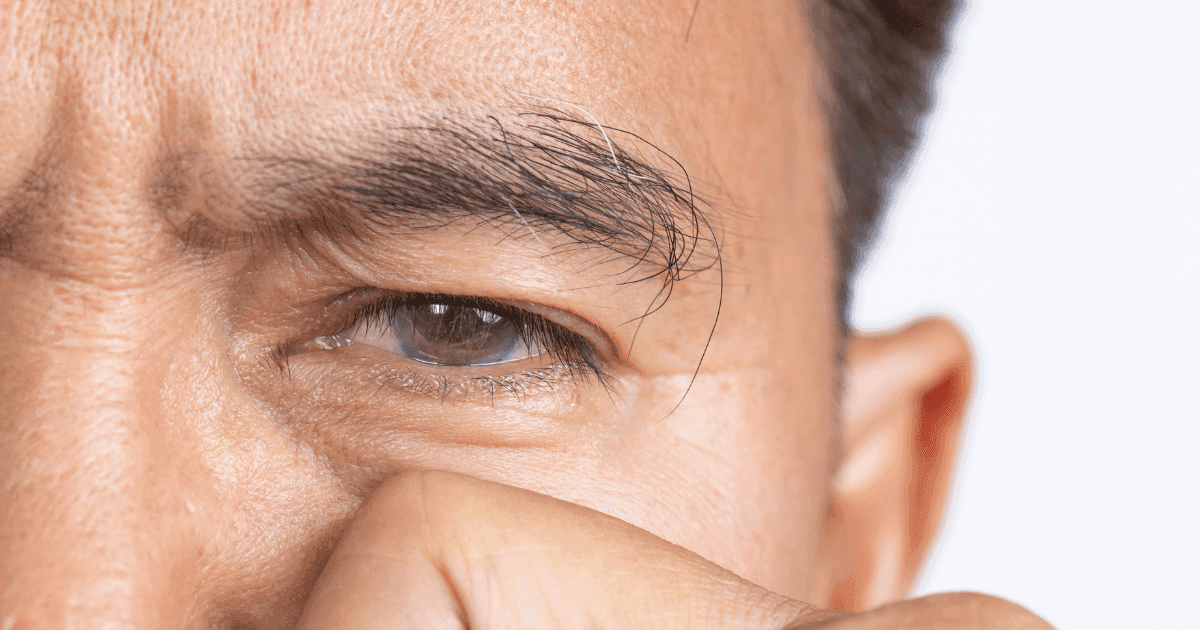
What Causes Ocular Inflammation (Uveitis)?
Uveitis can have many possible causes. It may be related to infection, immune system activity, previous eye injury, medication reaction, or other medical conditions. In some patients, no clear cause is found even after investigation.
Possible causes include:
- Eye or body infections
- Herpes-related eye inflammation
- Autoimmune or inflammatory disease
- Previous eye injury or trauma
- Inflammation after surgery or injury
- Medication-related causes
- Cancer-related conditions that can mimic uveitis
- Unknown or idiopathic causes
- Medical conditions affecting other parts of the body
How Ocular Inflammation (Uveitis) Is Diagnosed
Uveitis is diagnosed through a detailed eye examination. Your eye specialist may also recommend additional tests if the inflammation may be linked to infection, autoimmune disease, or another systemic condition.
A detailed eye examination may include:
Visual acuity testing
Slit-lamp examination
Eye pressure measurement
Blood tests when needed
Imaging or X-rays in selected cases
Shared care with other specialists where appropriate
How Ocular Inflammation (Uveitis) Is Diagnosed
Managing & treating Ocular Inflammation (Uveitis)
Uveitis treatment aims to reduce inflammation, relieve discomfort and protect vision. The treatment plan depends on the type of uveitis, severity, eye pressure, and whether other health conditions are involved.

Steroid eye drops
Steroid eye drops are commonly used to reduce eye inflammation in many patients with uveitis. They may help control inflammation, but regular follow-up is needed to monitor response and check for possible issues such as raised eye pressure or cataract changes.
Our Specialists
Our team of board-certified ophthalmologists and licensed optometrists brings together decades of specialized training and experience. Each doctor has completed additional fellowship training in subspecialty areas, ensuring you receive the most advanced care available.



Frequently asked questions
Ask us anything about how we can help you understand eye care better!
WHAT YOU SEE MATTERS
Schedule Your Vision Check
Ocular Inflammation, or uveitis, can cause symptoms such as eye redness, pain, blurred vision, floaters, and sensitivity to light. Because inflammation inside the eye may affect vision if left untreated, an eye assessment can help identify the type of uveitis, check for underlying causes, and guide suitable treatment before complications develop.