
Conditions
Conditions
Connecting patients with advanced treatments and specialist services for every eye condition. Search by symptoms, treatments, or doctor expertise for fast solutions and trusted guidance. Quality, safety, and personalised care are our priority.
Conditions
Age-Related Macular Degeneration (AMD)
Age-related macular degeneration (AMD) is a chronic eye disease that damages the macula, the part of the retina responsible for sharp central vision. While peripheral vision remains unaffected, AMD can gradually impair activities like reading, recognising faces and driving. It typically affects older adults and may progress slowly or quickly depending on the type.
Astigmatism
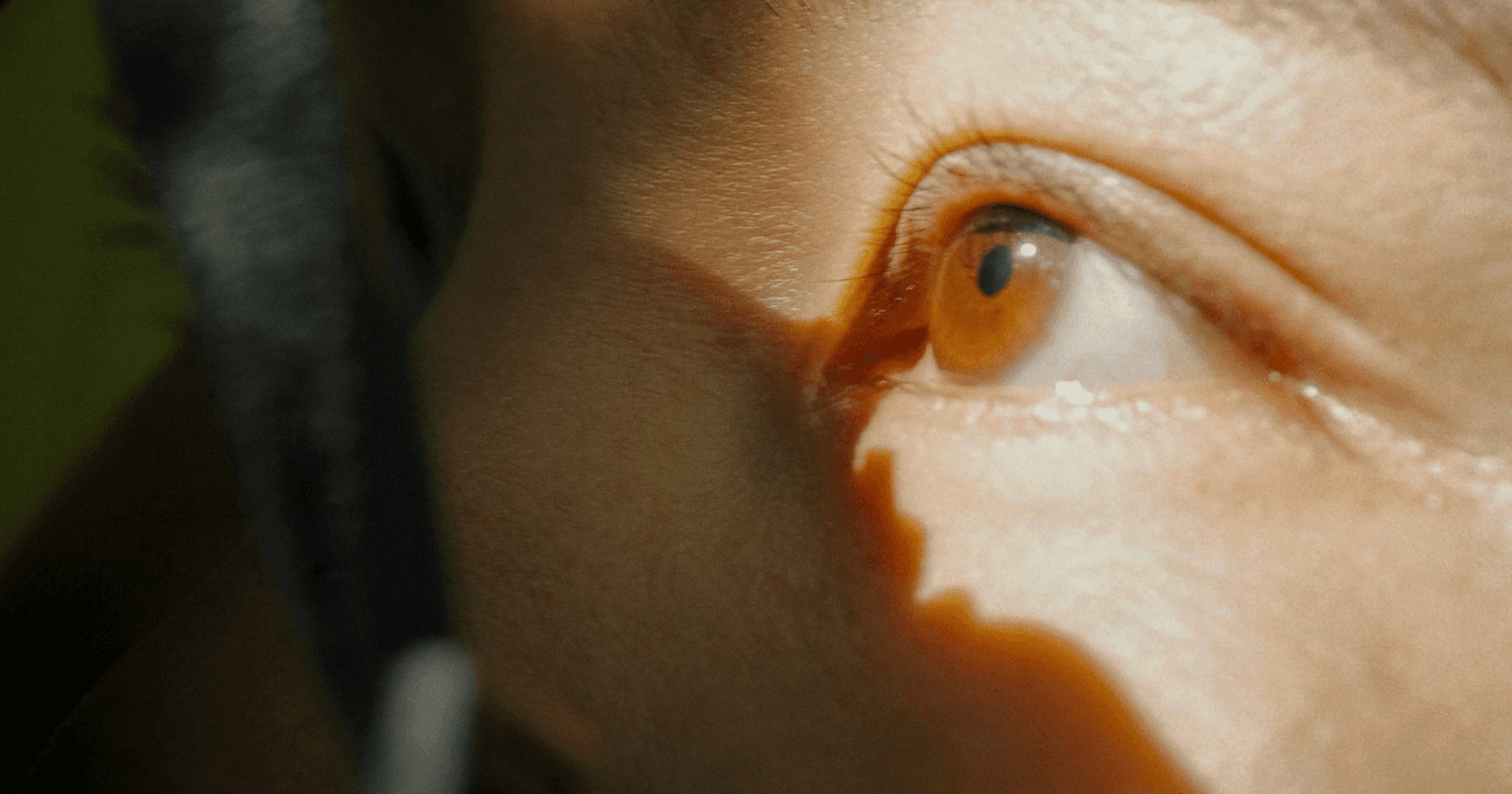
Astigmatism is a common refractive error that can make vision look blurry or distorted at both near and far distances. It usually happens when the cornea or lens has uneven curves, causing light to focus unevenly in the eye. A proper eye assessment can help confirm the degree of astigmatism and guide suitable correction options.

Blepharitis
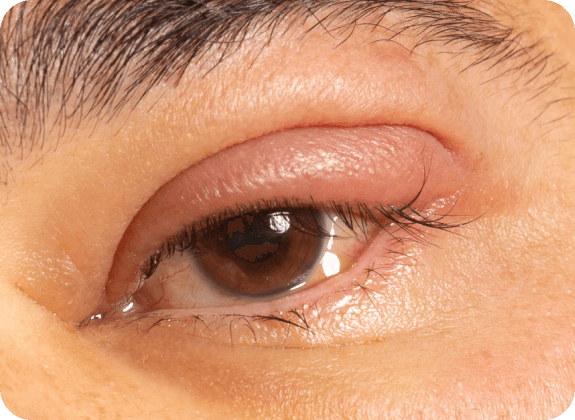
Blepharitis refers to the inflammation of the eyelid margins, typically involving both eyes. It occurs when the oil glands at the base of the eyelashes become blocked or irritated by bacteria, leading to redness, swelling and discomfort. While not contagious, this condition is often chronic and can lead to other eye surface problems if not treated properly.
Cataract
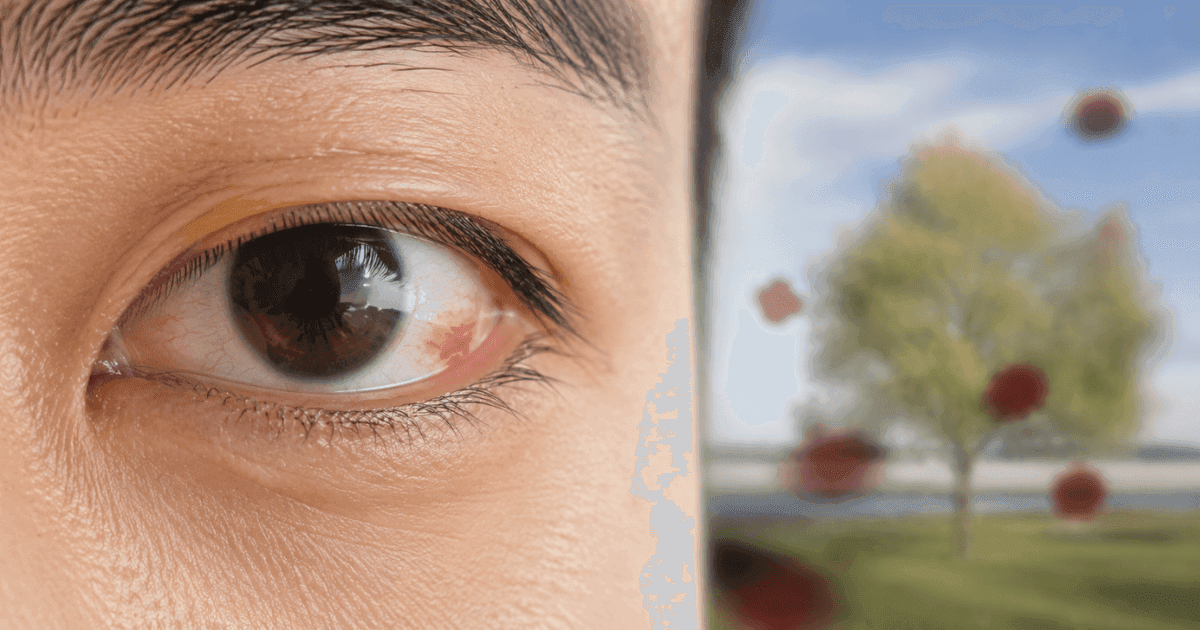
A cataract is a condition where the clear lens inside your eye becomes cloudy, making it difficult for light to pass through clearly. This results in blurry or distorted vision and may eventually lead to vision loss if left untreated. Cataracts are commonly associated with ageing, but they can also result from other medical or lifestyle factors.

Diabetic Retinopathy
Diabetic retinopathy is a diabetes-related retinal condition that affects the small blood vessels at the back of the eye. Over time, these vessels may become weak, blocked, or leaky, which can affect the retina and the macula, the part responsible for sharp central vision.
Dry Eye Syndrome
Dry eye syndrome occurs when the eyes are unable to maintain a healthy layer of tears. This can happen either because tear production is too low or because the tears evaporate too quickly. A stable tear film is essential for clear vision and to protect the eye from dust, pollutants and infections.

Eye Naevus (Eye Freckle)
An eye naevus, often called an eye freckle, is a pigmented spot or lesion that appears in or on the eye. Similar to moles on the skin, most eye freckles are non-cancerous and do not affect vision. However, some require monitoring to ensure they do not undergo changes that may suggest malignancy. Eye naevi can be present from birth or may develop over time.

Glaucoma
Glaucoma refers to a group of eye diseases that damage the optic nerve over time, often resulting in vision loss or blindness if left untreated. Damage normally starts at the periphery and gradually progresses toward the central vision.
Hyperopia
Hyperopia, also known as farsightedness, is a common refractive error where close-up objects may appear blurry. It happens when light focuses behind the retina instead of directly on it, often because the eye is shorter from front to back or the cornea is flatter than expected.

Keratoconus
Keratoconus is a progressive eye condition where the normally round cornea becomes thin and bulges outward into a cone-like shape. This irregular shape distorts light entering the eye, resulting in blurred and distorted vision.
The condition typically begins in the teenage years or early adulthood and tends to progress over time. Although the exact cause is not fully understood, early diagnosis and management can help slow progression and improve visual outcomes.

Myopia
Myopia is a refractive error that makes distant objects look blurry while nearby vision remains clearer.It can happen when the eye’s shape causes light to focus too early inside the eye, instead of landing accurately on the retina. Although myopia can affect both adults and children, it is especially important to monitor in children because their prescription may continue to change as their eyes grow.

Ocular Inflammation (Uveitis)
Ocular inflammation, also known as uveitis, happens when inflammation develops inside the eye. It may cause redness, eye pain, light sensitivity, floaters, blurred vision, or reduced vision. Because inflammation can involve deeper eye structures, symptoms should be assessed by an eye specialist rather than treated as simple surface irritation.
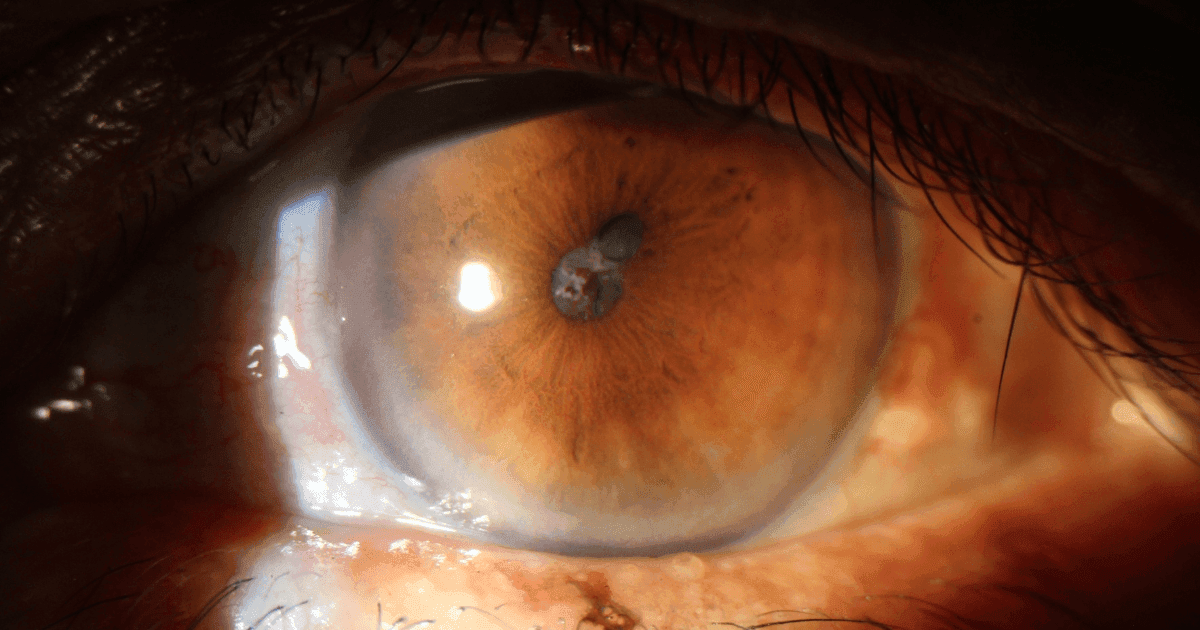
Posterior Capsular Opacification (PCO)
Posterior Capsular Opacification (PCO) is one of the most common complications that can occur after cataract surgery. While some refer to it as a "secondary cataract," it is not the same as the original cataract and does not involve a new cataract forming.
PCO occurs when the capsule that holds the artificial lens implant becomes cloudy due to cell growth, resulting in blurred or hazy vision. This condition can happen months or years after surgery and may affect one or both eyes.
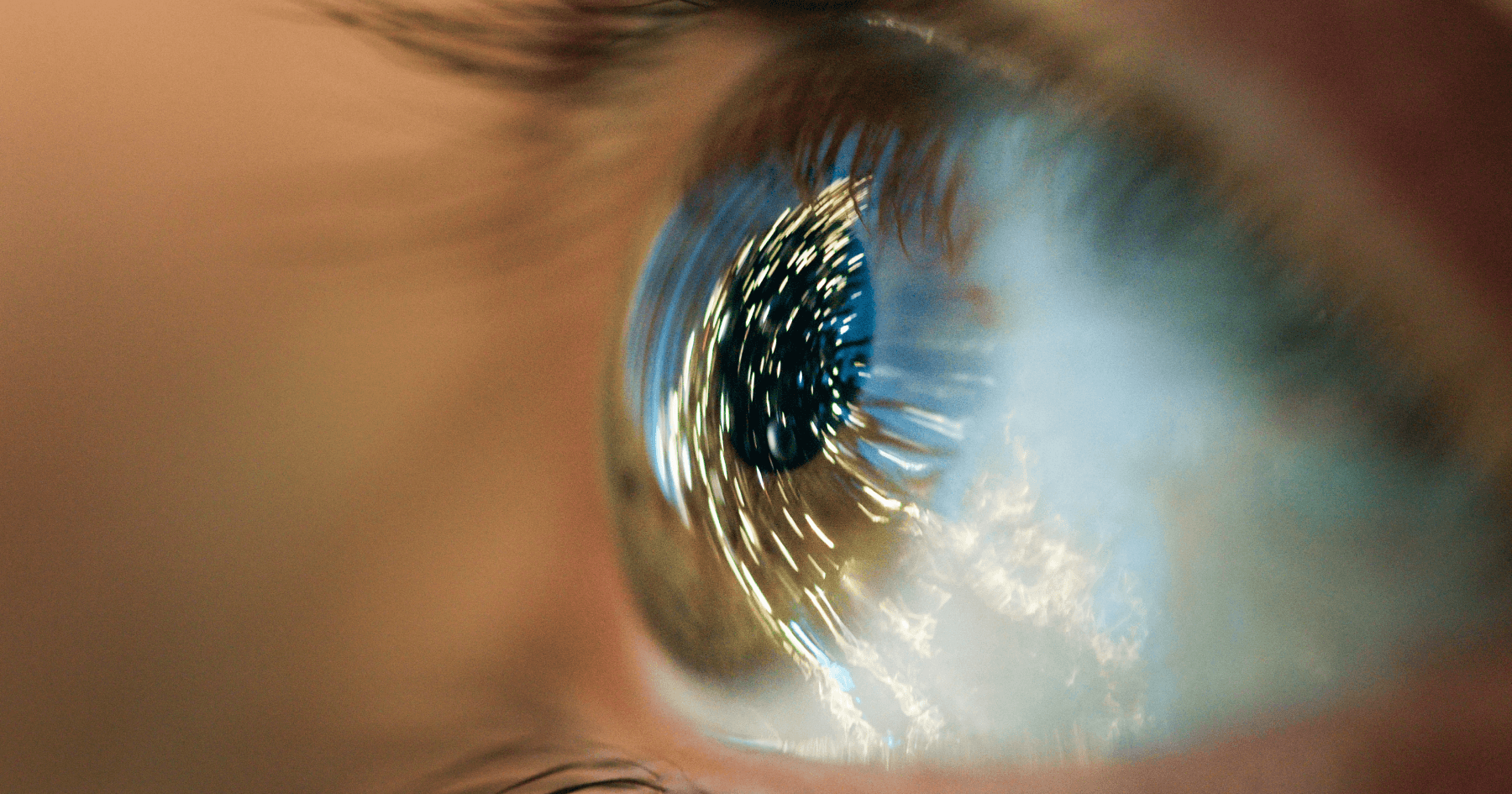
Presbyopia
Presbyopia is a common age-related eye condition that affects near vision. Learn about its symptoms, causes, diagnosis, correction and treatment options.

Pterygium (surfer’s eye)
Pterygium is a non-cancerous growth of tissue that appears on the white part of the eye (sclera). This wedge-shaped growth can slowly extend across the cornea and may cause visual disturbances if left untreated. It typically appears on the side of the eye closest to the nose and is commonly referred to as Surfer’s Eye.
While usually harmless, pterygium can lead to astigmatism, irritation, or even vision changes when it grows toward the central cornea.
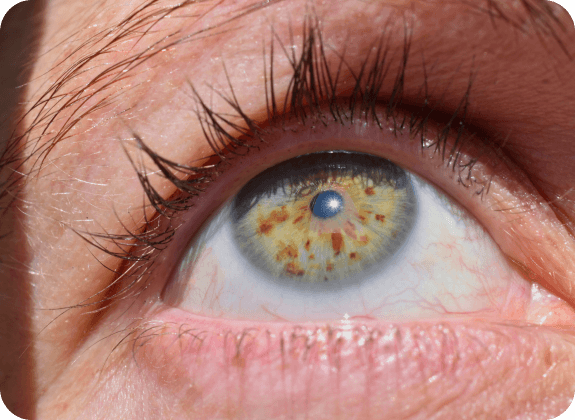
Recurrent Corneal Erosion
Recurrent Corneal Erosion is a condition that affects the outermost layer of the eye — the corneal epithelium. This layer serves as a barrier against dust, debris and bacteria. In RCE, the epithelium fails to stay properly attached to the underlying corneal tissue, leading to repeated episodes of breakdown. These erosions usually happen after waking up and are often accompanied by sharp eye pain. This is due to the eyelid sticking to the weakened epithelium and pulling it away when opened.
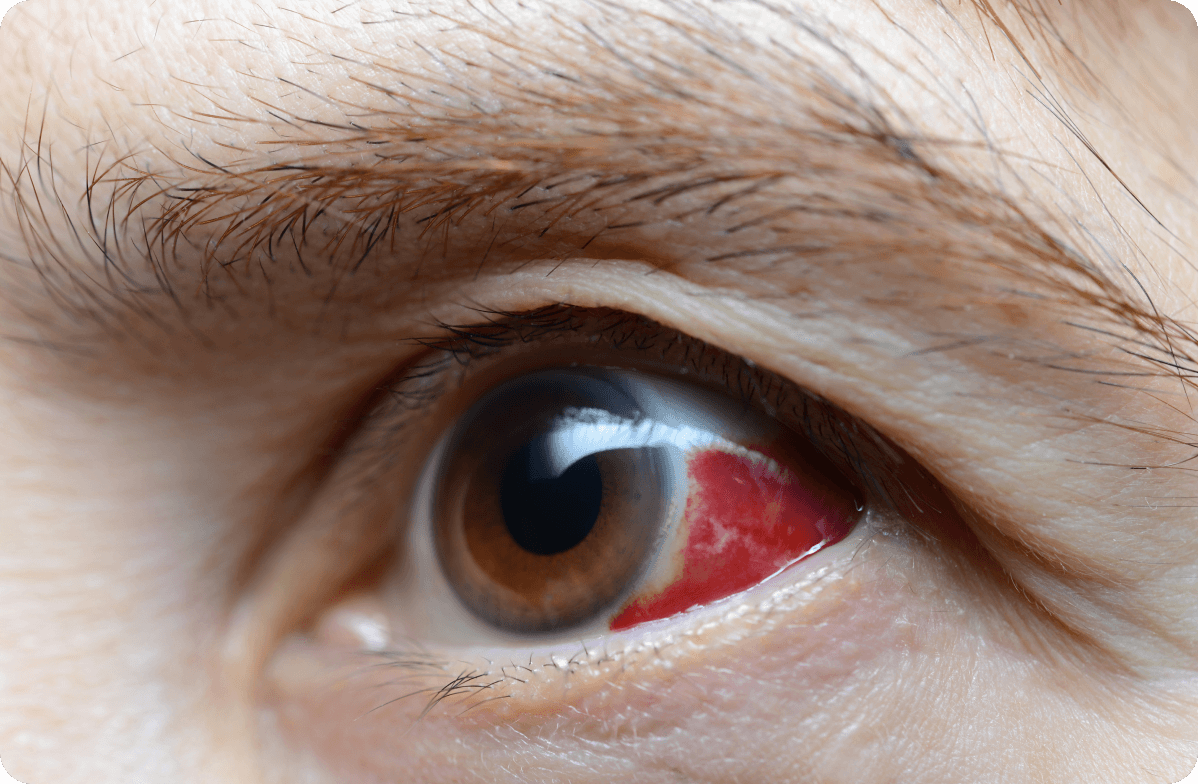
Refractive Errors
Refractive errors occur when the eye does not bend light properly, preventing it from focusing directly on the retina. This can result in blurred vision, whether for nearby or distant objects. These conditions are very common and can develop at any age, often progressing over time.
Retinal Detachment
Retinal detachment is a serious eye condition where the retina separates from the back of the eye and can lead to partial or permanent vision loss if not treated quickly. If you notice any sudden change in vision, seek urgent same-day assessment as early treatment makes a critical difference.
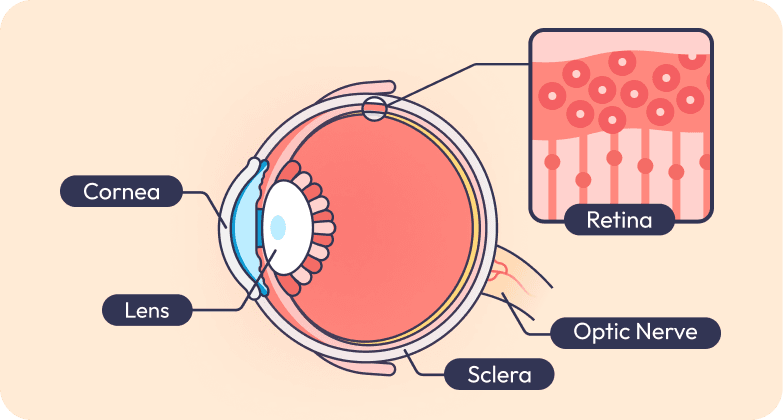
Strabismus (Squint)
Strabismus is a condition where the eyes are not properly aligned with each other. Instead of both eyes focusing on the same target, one eye may drift while the other continues to look straight ahead.It can affect children and adults, and a proper eye examination can help identify whether the eye turn is true strabismus, pseudo-squint, or related to another vision concern.

Thyroid Eye Disease (TED)
Thyroid Eye Disease (TED), also called Graves' orbitopathy or Graves' ophthalmopathy, is an autoimmune condition that affects the tissues surrounding the eyes. It is commonly associated with overactive thyroid function, particularly in people diagnosed with Graves’ disease. TED cau ses inflammation of the eye muscles, connective tissue, and fat behind the eyes, which can result in eye bulging, discomfort, and in some cases, vision impairment.
Frequently asked questions
Ask us anything about how we can help you understand eye care better!
Our credentials & professional certifications
Singapore Medical Council
Fully licensed and regulated by SMC with specialist accreditation in ophthalmology and oculoplastic surgery
Fellowship Training
Advanced fellowship training in oculoplastic surgery from leading international institutions
International Memberships
Active members of American Society of Ophthalmic Plastic Surgery (ASOPRS) and International Society
Research & Publications
Published researchers contributing to advancement of oculoplastic surgery techniques
Hospital Privileges & Referrals
Operating privileges at Singapore's top hospitals including Mount Elizabeth and Gleneagles