
Vision Awareness Month: Eye health matters at every age
Written by Eagle Eye Centre
Published on May 14, 2026

Why Vision Awareness Month matters
Vision Awareness Month is a reminder that eye health matters at every age. From children in school, to working adults using screens, to older adults noticing age-related vision changes, our eyes play an important role in learning, work, mobility, and daily independence.

Many people only arrange an eye check when blurry vision, discomfort, or eye pain becomes difficult to ignore. However, some eye changes may develop gradually and may not affect daily life at first.
At Eagle Eye Centre, we hope this month encourages individuals and families in Singapore to take a more proactive approach to eye care through regular eye examinations and timely advice based on age, lifestyle, medical history, and personal risk factors.
Eye health is more than just “seeing clearly”
Good vision is important, but being able to see clearly does not always mean the eyes are completely healthy. Some eye conditions may not cause obvious symptoms in the early stages, including glaucoma, diabetic retinopathy, early cataracts, and myopia progression in children. A person may still feel that their vision is “good enough”, even when changes inside the eye need closer attention.
This is especially important across different life stages.
- Children may not realise their distance vision is worsening.
- Working adults may dismiss dry, tired, or strained eyes as part of screen use.
- Older adults may assume glare, cloudy vision, or reading difficulty is simply part of ageing.
In each case, an eye check can help identify whether there is an underlying issue that needs monitoring or care.
This Month, Eagle Eye Centre encourages patients to look beyond clear vision alone. Regular eye examinations can help detect changes earlier, support better understanding of personal eye health, and guide suitable care based on age, lifestyle, medical history, and individual risk factors.
For children: monitor myopia and school vision
Myopia is a common eye health concern for families in Singapore, especially during the school years. Children may not always say that they cannot see clearly, particularly when vision changes happen gradually. Instead, parents and teachers may notice signs such as squinting, sitting closer to screens, or struggling to see the classroom board.
Myopia is common among children and teenagers in Singapore, with rates increasing through the school years.
This makes regular eye checks important, not only when a child complains of blurry vision, but also when parents notice changes in daily habits or school performance.
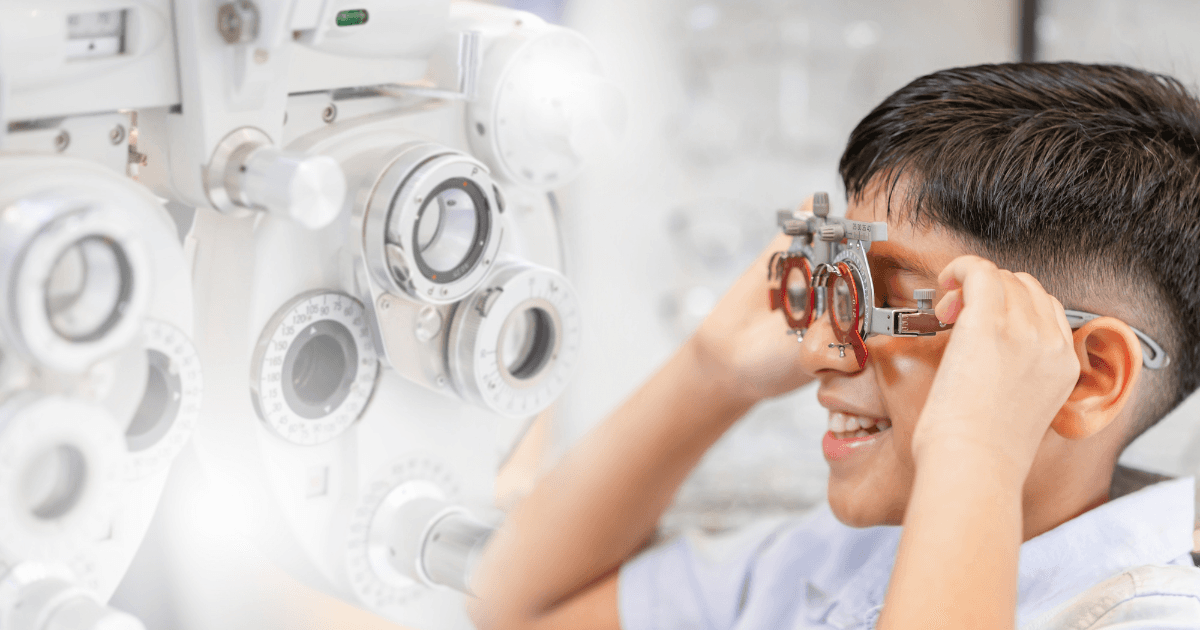
Parents may wish to look out for:
- Squinting to see distant objects
- Difficulty seeing the classroom board or projector screen
- Sitting very close to the TV or digital screens
- Holding books or tablets close to the eyes
- Frequent eye rubbing or tired eyes
- Headaches after schoolwork or near tasks
- Frequent changes in spectacle prescription
- Reduced interest in outdoor or distance-based activities
These signs do not always mean there is a serious eye problem, but they are good reasons to arrange a children’s eye check. A proper assessment can help identify whether myopia is present, whether it is progressing, and whether further guidance or management may be suitable.
For working adults: managing screen-related eye strain and dry eye
For many working adults in Singapore, long hours of screen use have become part of daily life. Computers, tablets, and mobile phones can make the eyes work harder for extended periods, especially in air-conditioned offices where the air may feel dry. Over time, this may contribute to screen-related eye strain, dry eye symptoms, and contact lens discomfort.
Working adults may notice:
- Dry, tired, or irritated eyes after screen use
- Blurry or fluctuating vision during the workday
- Eye strain or headaches after long hours at the computer
- Contact lens discomfort in air-conditioned environments
- Increased sensitivity to glare or bright screens
- Redness, burning, or a gritty sensation in the eyes
- Needing to blink or rub the eyes more often
Simple habits can help reduce daily eye discomfort. Try taking regular screen breaks, blinking more often, keeping your screen at a comfortable distance, and adjusting lighting to reduce glare. You can also follow the 20-20-20 rule: every 20 minutes, look at something about 20 feet away for around 20 seconds.
However, if symptoms persist, a comprehensive eye check can help identify whether the discomfort is related to dry eye, digital eye strain, contact lens wear, or another eye condition.
Eagle Eye Screening Services
At Eagle Eye Centre, our eye screening services are designed to assess your vision and eye health, helping to detect potential eye conditions earlier and guide suitable next steps where needed.
Learn more about our eye screening packagesFor older adults: watch for age-related eye changes
As we age, changes in the eyes can gradually affect reading, night driving, side vision, contrast sensitivity, and central vision. Some conditions, such as cataracts, glaucoma, and age-related macular degeneration, may develop slowly and may not be obvious at first.

Older adults may notice:
- Blurry or cloudy vision
- More glare when driving at night
- Difficulty reading small print
- Reduced contrast or duller colours
- Changes in central vision
- Narrowing of side vision
- Needing brighter light for reading
- Frequent changes in glasses prescription
Regular eye checks can help detect age-related eye changes earlier and guide timely care. If vision changes are affecting daily activities, a specific eye assessment can help identify whether the symptoms are linked to cataracts, glaucoma, AMD, or other eye conditions.
This Month, take a moment to check in on your eye health and your family’s vision needs. Whether you have noticed symptoms, have existing risk factors, or simply have not had an eye check recently, a comprehensive eye assessment can help you better understand your vision and overall eye health.