
Cataract
What is a cataract?
A cataract is a condition where the clear lens inside your eye becomes cloudy, making it difficult for light to pass through clearly. This results in blurry or distorted vision and may eventually lead to vision loss if left untreated. Cataracts are commonly associated with ageing, but they can also result from other medical or lifestyle factors.
Common symptoms
In more advanced cases, a white or grey film may be visible over the pupil. In its early stages, a cataract may not show visible signs, but you might notice subtle changes in your vision. Some of the most common symptoms include:
Types of cataracts
There are several types of cataracts, each affecting different parts of the lens:
Nuclear cataracts
affect the centre of the lens and may initially improve near vision before worsening.
Cortical cataracts
start at the edges and form spoke-like patterns that move inward.
Posterior subcapsular cataracts
develop at the back of the lens and cause glare or difficulty with reading.
Congenital cataracts
are present at birth or early childhood, often due to genetics or infection during pregnancy.
Types of cataracts

What Causes Cataracts?
Cataracts occur when the proteins in the lens break down and clump together, creating cloudy patches that grow over time. Contributing causes include:
- Natural ageing processes
- Ultraviolet light exposure
- Eye trauma or inflammation
- Medical conditions like diabetes
- Long-term use of certain medications
Understanding these causes can support better preventive care.
Treatments
In the early stages, cataracts may be managed with updated glasses or increased lighting. However, the only definitive treatment is cataract surgery. The procedure is typically quick and safe with a high success rate.
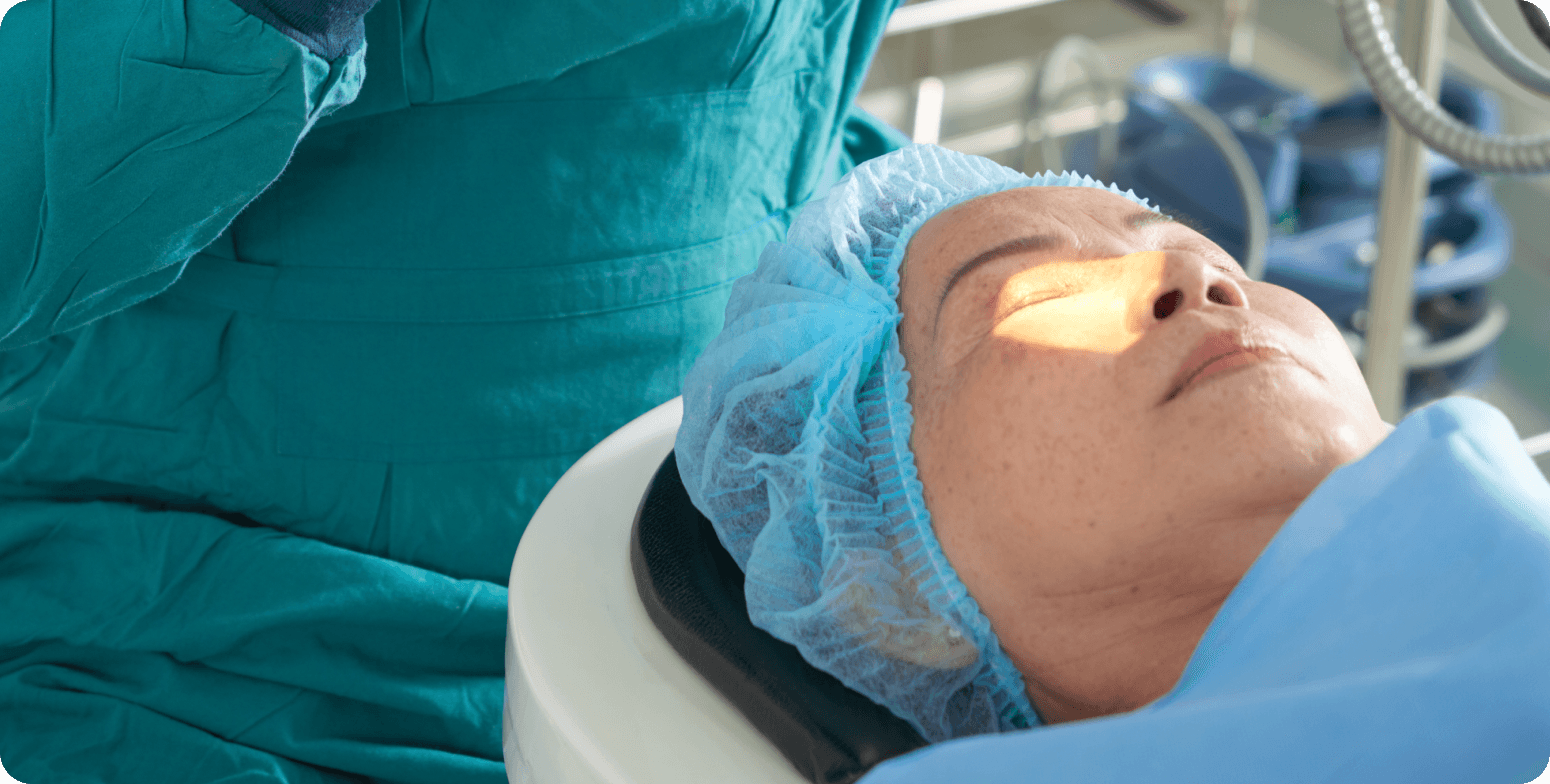
Standard cataract surgery
Standard cataract surgery involves replacing the cloudy lens with a clear artificial one.
Risk factors
Maintaining a healthy lifestyle and regular eye check-ups can help manage your risk. While ageing is the leading cause of cataracts, other risk factors include:
Family history of cataracts
Diabetes or high blood pressure
Previous eye injuries or surgeries
Long-term use of corticosteroids
Smoking or excessive alcohol intake
Prolonged exposure to UV rays without protection
Obesity or poor diet
Risk factors

Diagnosing cataracts
An ophthalmologist can diagnose cataracts through comprehensive eye exams such as:
- Visual acuity test to assess clarity of vision
- Slit-lamp examination to inspect the front structures of the eye
- Dilated retinal exam to view the back of the eye
- Tonometry to check intraocular pressure
These tests allow specialists to determine the type and extent of your cataracts.
Our Specialists
Our team of board-certified ophthalmologists and licensed optometrists brings together decades of specialized training and experience. Each doctor has completed additional fellowship training in subspecialty areas, ensuring you receive the most advanced care available.



Frequently asked questions
Ask us anything about how we can help you understand eye care better!
WHAT YOU SEE MATTERS
Book your cataract assessment today
Cataracts are a major cause of vision impairment in Singapore, particularly among those aged 60 and above. Given the nation’s ageing population, early detection and timely intervention are key to preserving quality of life. At Eagle Eye Centre, we offer state-of-the-art diagnostic tools and advanced cataract surgery tailored to your lifestyle and visual needs. Our team of eye specialists ensures personalised care and long-term vision support.