Myopia
What is myopia?
Myopia is a refractive error that makes distant objects look blurry while nearby vision remains clearer.It can happen when the eye’s shape causes light to focus too early inside the eye, instead of landing accurately on the retina. Although myopia can affect both adults and children, it is especially important to monitor in children because their prescription may continue to change as their eyes grow.
Common symptoms
Myopia usually causes distant objects to appear blurry, while nearby vision remains clearer. Symptoms may become more noticeable when reading classroom boards, road signs, subtitles, or recognising faces from a distance.
Common symptoms include:
- Blurred distance vision
- Squinting to see clearly
- Headaches or eye strain
- Sitting closer to screens or the classroom board
- Difficulty seeing road signs or distant objects
- Frequent changes in glasses prescription

What causes myopia?
Myopia usually develops when the eye grows too long or the cornea is too curved, causing light to focus in front of the retina instead of directly on it. Factors that may contribute include:
- Family history of myopia
- Long periods of near work
- Prolonged screen use
- Limited outdoor time
- Rapid eye growth during childhood
- Reading or using devices too close to the eyes
Risk factors
Some factors may increase the likelihood of developing myopia. These include family history, long periods of close-up work, screen use, limited outdoor time, and certain population-related risk patterns.
Family history of myopia
Long periods of close-up work
Frequent reading or screen use
Limited time outdoors
School-age vision changes
Ethnicity-related risk patterns
Rapid eye growth during childhood
Risk factors
How myopia is diagnosed
Myopia is diagnosed through a comprehensive eye examination that checks how clearly you see and how light focuses in your eyes. Your eye doctor or optometrist may use the following tests:
- Visual acuity testing
- Refraction assessment
- Eye pressure measurement
- Slit-lamp examination
- Retinal examination
- Axial length measurement for myopia monitoring in children
Managing & treating myopia
Myopia treatment aims to improve distance vision, support daily activities, and, in children, help slow progression where suitable. Treatment options depend on age, prescription, eye health, lifestyle, and clinical suitability.
Glasses
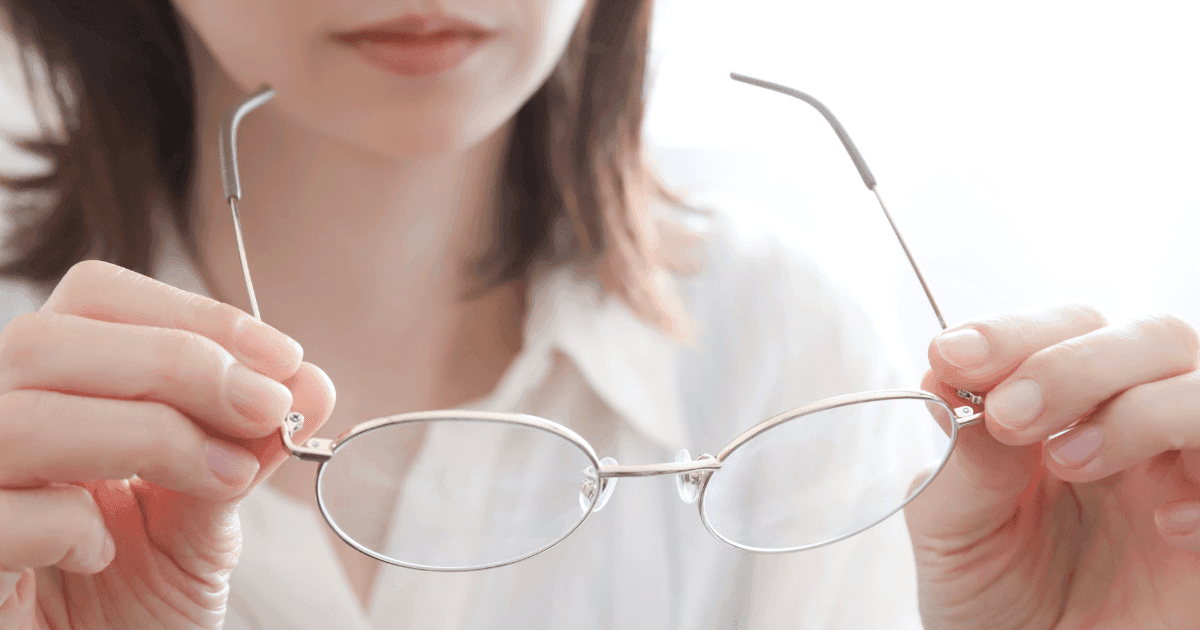
Prescription glasses help correct blurry distance vision by refocusing light onto the retina. They are often the simplest and most common option for both adults and children.
Prevention
While myopia cannot always be prevented, healthy eye habits may help support overall eye comfort and reduce visual strain. For children and adults, regular eye exams, outdoor time, screen breaks, and appropriate myopia control advice can help monitor vision changes and support long-term eye health.
Take regular screen breaks
Spend more time outdoors
Avoid reading in dim light
Wear sunglasses outdoors
Use protective eyewear for sports
Attend regular eye exams
Ask about myopia control options
Prevention
Myopia in children
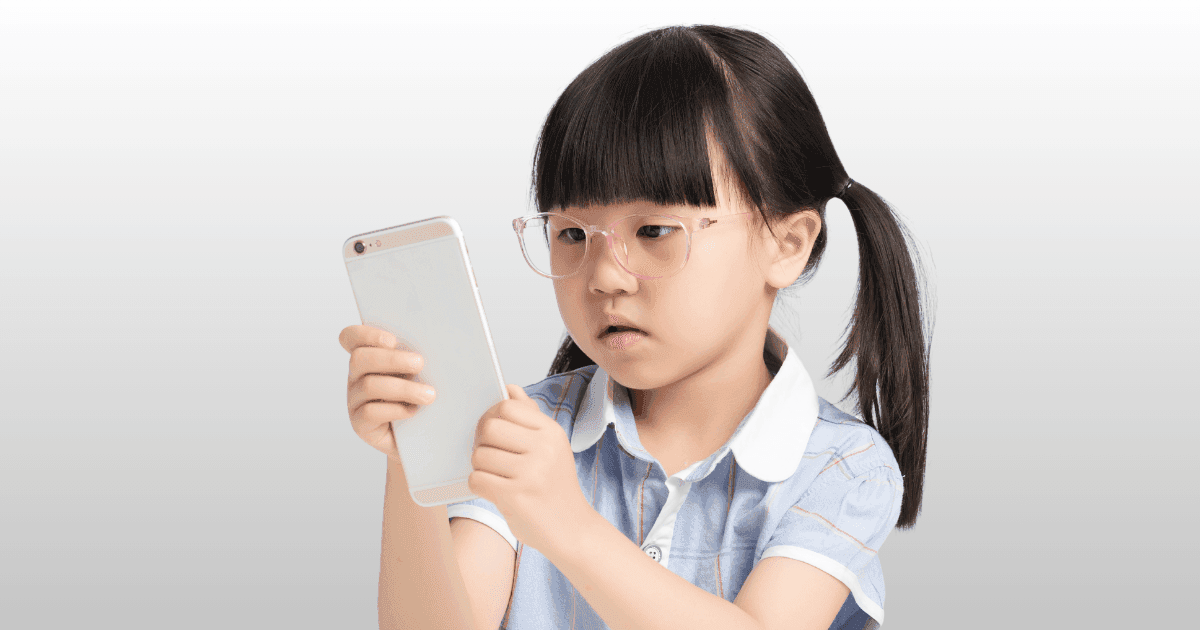
Myopia in children is nearsightedness that can make distant objects look blurry, such as classroom boards, road signs, or screens viewed from afar. Because childhood myopia may progress as the eyes grow, early assessment and regular monitoring can help guide suitable myopia control options.
- Blurry distance vision
- Squinting to see clearly
- Sitting closer to screens or classroom boards
- Frequent changes in glasses prescription
- Eye strain or headaches after visual tasks
- Myopia may progress during childhood
- Early checks can help assess myopia control suitability
When should you see an eye doctor?
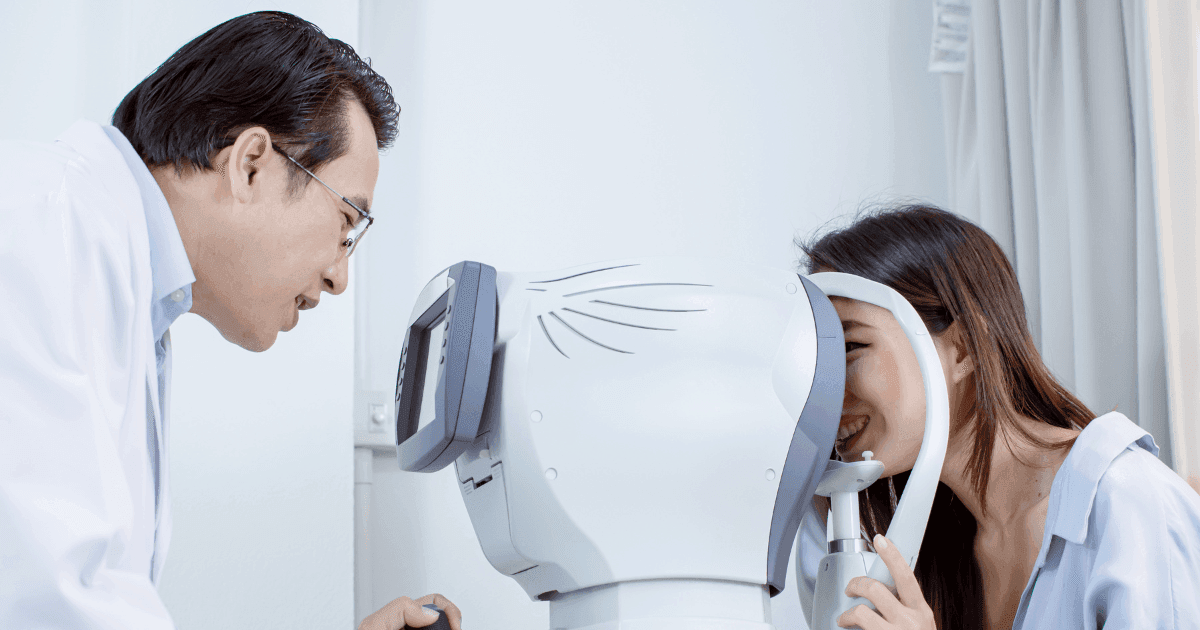
Regular eye exams are important for everyone, especially if you notice any change in your vision. You should book an eye assessment if distance vision becomes blurry, or if your child often squints, holds objects close to their face, or struggles to see things far away.
Seek prompt medical attention if you experience sudden vision loss, a significant increase in floaters, flashes of light, or a shadow-like change in your vision. These symptoms may be related to an eye emergency and should not be ignored.
Specialists
Our team of board-certified ophthalmologists and licensed optometrists brings together decades of specialized training and experience. Each doctor has completed additional fellowship training in subspecialty areas, ensuring you receive the most advanced care available.



Frequently asked questions
Ask us anything about how we can help you understand eye care better!
WHAT YOU SEE MATTERS
Schedule Your Vision Check
While mild myopia can often be corrected with glasses or contact lenses, ongoing or worsening nearsightedness should not be ignored. In children, myopia may continue to progress as the eyes grow, while high myopia can increase the risk of other eye conditions later in life. A proper eye assessment can help identify the degree of myopia, monitor progression, and guide suitable treatment or myopia control options.