The best Father's Day gift in Singapore? An eye check
Written by Eagle Eye Centre
Published on June 9, 2026

As we celebrate Father's Day in Singapore, many of us mark the occasion with a family meal or a thoughtful gift. Yet we may sometimes overlook the eyes that have watched over us as we grew up. As fathers age, their vision can change gradually, often without them realising it. They may need to hold reading materials closer, feel more sensitive to bright light, find night driving uncomfortable due to glare, or notice that things are simply not as sharp as they used to be.

The truth is, many fathers do not prioritise their own eye health. In Singapore, where eye conditions are common and the population is ageing, this is worth paying attention to.
Eye screening rates among older adults in Singapore remain low, even among those who understand its importance.
Among people aged 50 to 79, 67% felt that annual eye screening was important, but only 38% attended screening at least once a year.
For many fathers, vision changes can develop gradually and without obvious warning signs. By the time symptoms appear, some damage may already have occurred. Regular eye checks can help catch potential problems earlier, when they are more manageable.
Eye conditions can also run in families. If your father or grandfather has been diagnosed with glaucoma, macular degeneration, or diabetic eye disease, it may be worth paying closer attention to the eye health of the whole family, including your own.
Here are five eye conditions that are worth knowing about, particularly as the men in our lives grow older.
Glaucoma
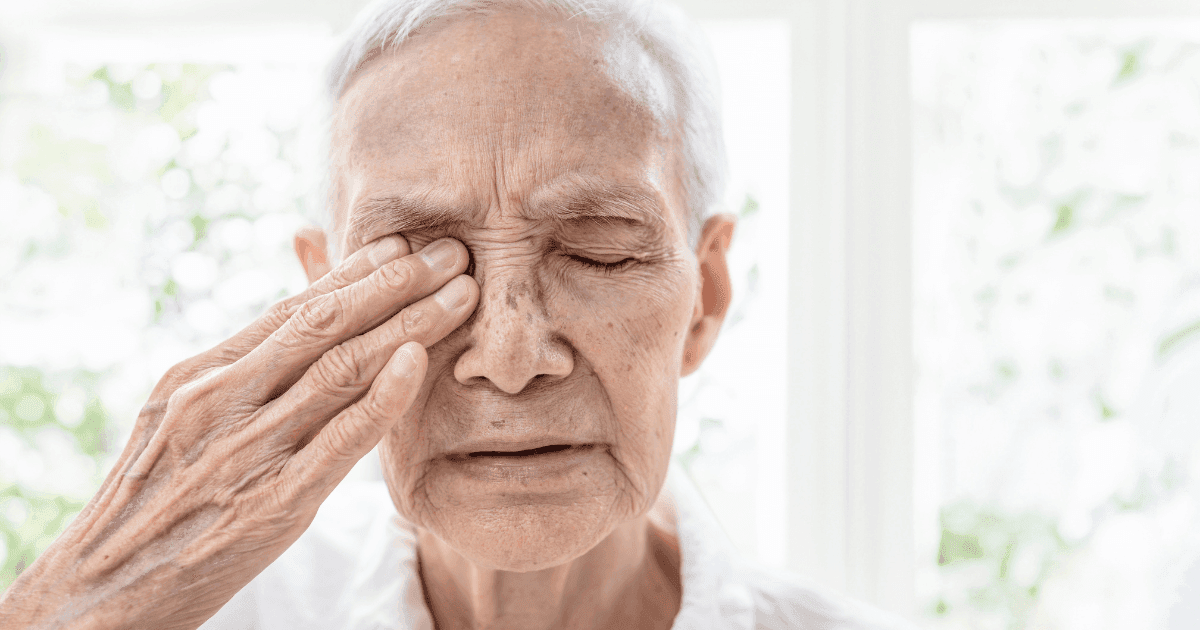
Glaucoma refers to a group of eye diseases that damage the optic nerve over time. It is often called a "silent" eye condition, and for good reason. Many people, including fathers who feel their vision is perfectly fine, may have glaucoma without knowing it.
Possible signs or concerns include:
- Gradual loss of peripheral vision
- Elevated eye pressure
- Family history of glaucoma
- No noticeable symptoms in the early stages
A glaucoma screening can help assess eye pressure, optic nerve appearance, and other risk factors. If further evaluation is needed, an ophthalmologist assessment may be recommended.
Cataracts
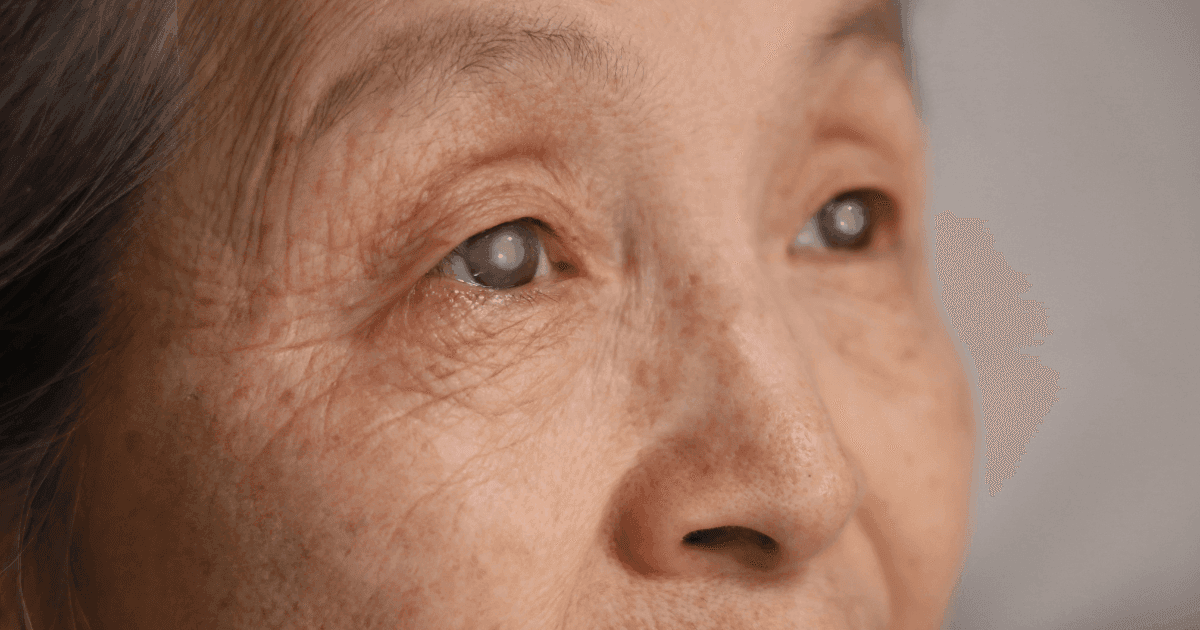
Cataracts occur when the eye’s natural lens becomes cloudy. They are common with ageing and may cause vision to become blurred, hazy, or less bright.
Cataracts occur when the eye's natural lens becomes cloudy. They are one of the most common age-related eye conditions and can cause vision to become blurred, hazy, or less bright over time. Many fathers may attribute these changes to "just getting older" without realising that cataracts are treatable.
Possible signs or concerns include:
- Cloudy or blurred vision
- Glare, especially when driving at night
- Colours appearing duller
- Frequent changes in spectacle prescription
A cataract screening can help determine whether vision changes are related to cataracts and whether further consultation is needed.
Age-related macular degeneration
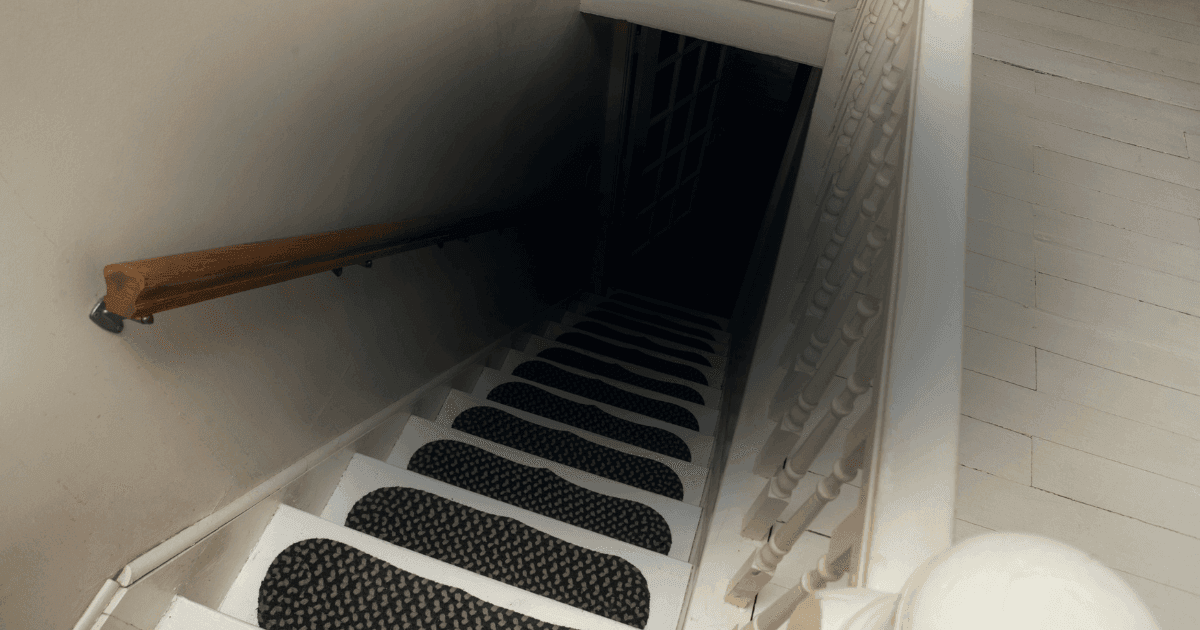
Age-related macular degeneration (AMD) affects the macula, the central part of the retina responsible for reading, recognising faces, and seeing fine details. It is strongly associated with ageing, which makes it particularly relevant for fathers and grandfathers in the family.
Possible signs or concerns include:
- Blurred or distorted central vision
- Straight lines appearing wavy
- Difficulty reading or recognising faces
- Family history of AMD
AMD is primarily linked to ageing, though lifestyle factors and family history may also play a role.
Diabetic eye disease
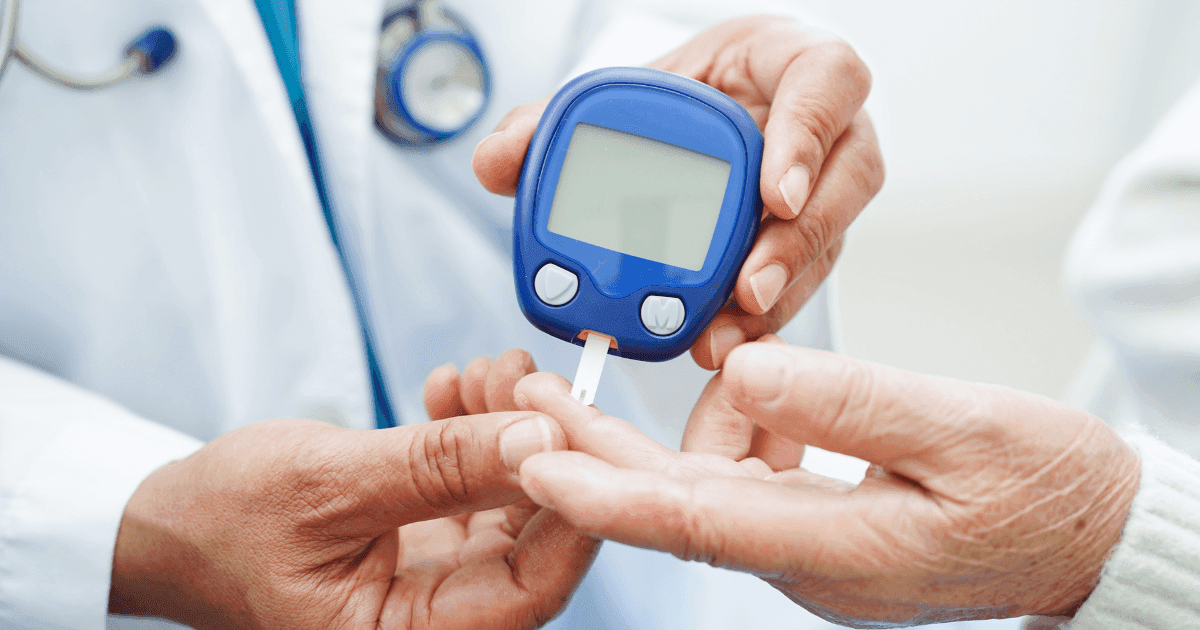
For fathers living with diabetes, eye health deserves particular attention. Diabetes can affect the small blood vessels in the retina, and diabetic eye disease may cause no obvious symptoms in the early stages, even when damage is already developing.
Possible signs or concerns include:
- History of diabetes
- Blurred or fluctuating vision
- Retinal blood vessel changes
- No noticeable symptoms in the early stages
Diabetic eye screening can help detect retinal changes early, before vision is significantly affected.
High myopia
For fathers who have worn glasses or contact lenses most of their lives, high myopia may be more than a matter of prescription strength. Beyond a certain degree, myopia may be associated with a higher risk of serious eye conditions, including retinal tears, retinal detachment, glaucoma, and myopic macular problems, and this risk can increase with age.
Possible signs or concerns include:
- High or increasing spectacle degree
- Difficulty seeing distant objects clearly
- Sudden floaters or flashes
- A shadow or curtain-like area in vision
For adults with high myopia, a comprehensive eye assessment can help evaluate overall eye health and identify whether they may be suitable for vision correction options such as LASIK eye surgery.
The best Father’s Day gift: A professional eye health check
The most thoughtful gift this Father's Day may not come wrapped. By understanding your father's eye health history and encouraging him to attend a professional eye screening, you are doing something that a meal or a present cannot. You are helping to protect his vision for the years ahead.
Clear eyesight is not only important for one generation. It is something worth caring for across all of them.
At Eagle Eye Centre, we offer eye screening services for different stages of life, from age-related conditions in adults and seniors to concerns that run in families. Our team is here to support you and your loved ones with professional assessments and personalised care.
This Father's Day, consider starting a sincere conversation about eye health, or better yet, accompanying Dad for a screening. It may be one of the most meaningful ways to show him you care.