
Retinal Detachment
What is Retinal Detachment
Retinal detachment is a serious eye condition where the retina separates from the back of the eye and can lead to partial or permanent vision loss if not treated quickly. If you notice any sudden change in vision, seek urgent same-day assessment as early treatment makes a critical difference.
Symptoms of retinal detachment, tears or breaks
Retinal detachment symptoms can develop suddenly and may include flashes, floaters or a shadow in your vision. The condition is typically painless, which is why it can sometimes be overlooked. If you experience any sudden visual changes, it is important to seek urgent eye assessment.
- Sudden flashes of light, especially in the side (peripheral) vision
- A sudden increase in floaters (small dark spots, specks, threads or cobweb-like shapes)
- A dark shadow, curtain or grey area moving across part of your vision Blurred, distorted or reduced vision
- A shadow that does not move when your eye moves
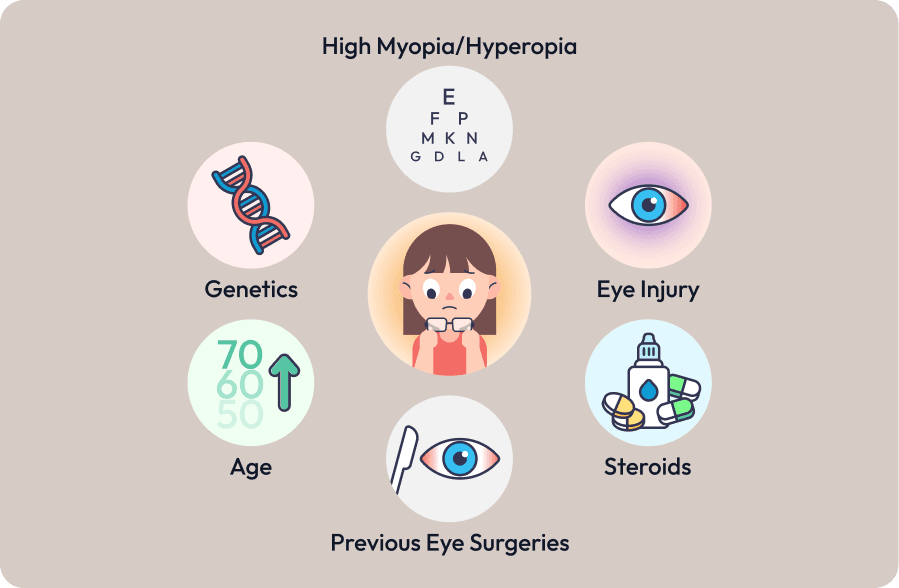
Retinal detachment can occur due to:
- A retinal tear or hole
- Age-related changes in the vitreous gel inside the eye
- High myopia (short-sightedness)
- Previous eye surgery (e.g. cataract surgery)
- Eye injury or trauma
- Family history of retinal disease
- Excessive eye rubbing
In many cases, it occurs suddenly without prior warning.
Risk factors and preventive care
Retinal detachment cannot be prevented entirely, but understanding your risk factors and seeking timely care can reduce complications. You may be at higher risk if you:
Are highly short-sighted (high myopia)
Are over 50 years of age
Have had previous eye surgery, such as cataract surgery
Have experienced eye trauma or injury
Have a family history of retinal conditions
Risk factors and preventive care
To protect your eye health
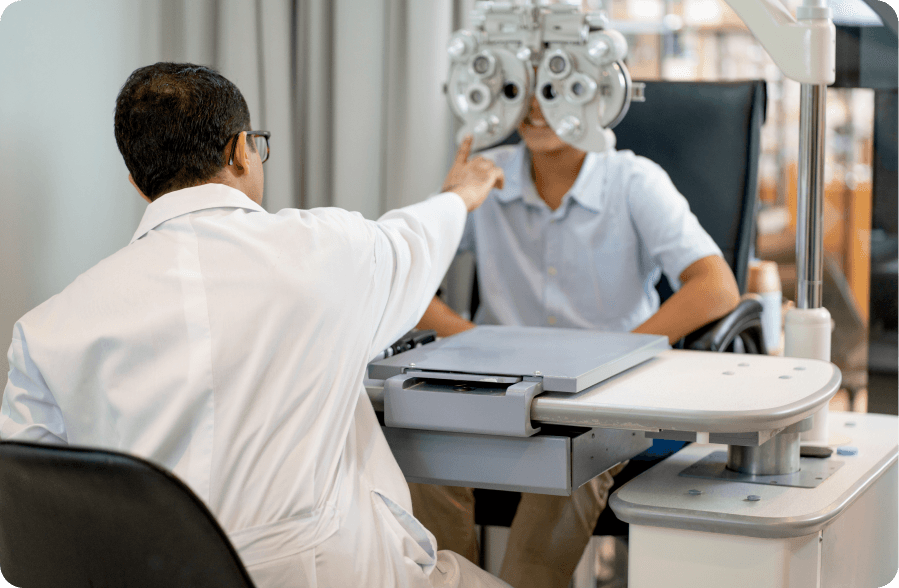
- Attend regular eye examinations, especially if you are highly myopic
- Seek prompt evaluation for new flashes, floaters or shadows in your vision
- Protect your eyes from injury during sports or high-risk activities
- Manage chronic conditions such as diabetes with regular monitoring
Treatments for retinal detachment
Treatment depends on whether there is a retinal tear (break) or a full retinal detachment. Our eye specialist will advise on the most appropriate treatment based on your condition.
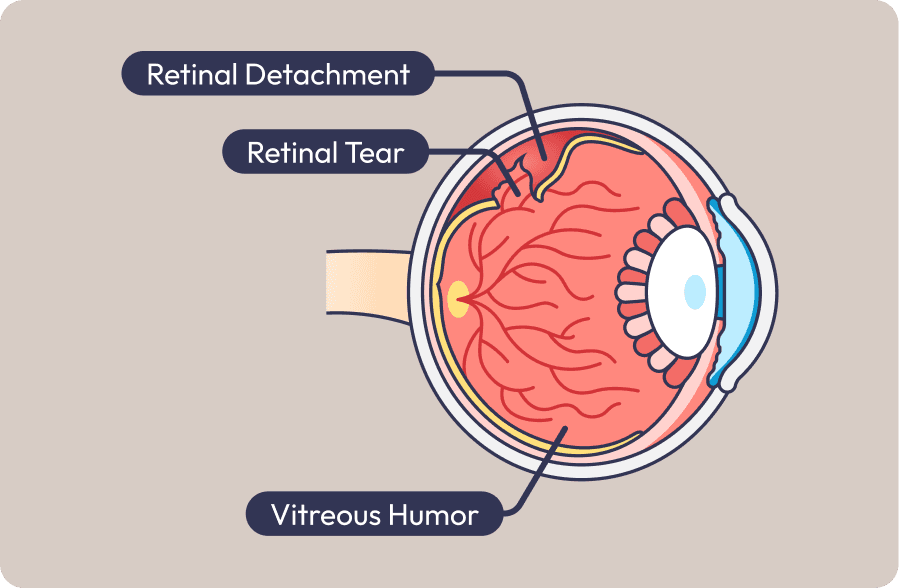
Retinal tears & breaks
If a retinal tear is detected early, before a full detachment develops, treatment can often be performed promptly to prevent progression.
In Singapore, this is commonly done in a specialist eye clinic on the same day or within a short timeframe, especially if symptoms such as new floaters or flashes are present.
Our Specialists
Our team includes fellowship-trained vitreoretinal specialists with extensive experience in retinal detachment, retinal tears, and complex medical retina conditions. With advanced subspecialty expertise and modern microsurgical techniques, we provide timely, evidence-based care focused on preserving vision.



Frequently asked questions
Ask us anything about how we can help you understand eye care better!
WHAT YOU SEE MATTERS
Don't overlook changes in your vision
Subtle or sudden visual changes can sometimes signal a retinal problem that requires medical attention. While not every symptom is serious, timely evaluation provides clarity and allows appropriate treatment if needed. If your vision feels different from normal, it is worth having it assessed by an eye specialist.