
Your eyes need sun protection too: Cataracts, UV exposure and eye health
Written by Eagle Eye Centre
Published on May 19, 2026

Singapore has a hot climate with strong sunshine all year round, and sunlight is part of daily life. Whether we're commuting, driving, exercising outdoors, or spending time with family on weekends, our skin is constantly exposed to the sun.
Most people think of sunscreen as protecting their skin, but in fact, the eyes also need to be protected from ultraviolet (UV) rays. UV exposure can affect different parts of the eye over time.

Protecting your eyes from UV rays outdoors is important, as long-term excessive exposure may increase the risk of serious eye diseases.
This makes UV eye protection an important part of long-term eye health, especially in bright outdoor.
This Vision Awareness Month, Eagle Eye Centre hopes to remind patients that eye health is closely linked to daily lifestyle habits. Wearing proper UV-protective sunglasses, protecting your eyes outdoors, and going for regular eye checks can all support long-term vision care.
How UV exposure can affect the eyes
The eye’s natural lens helps focus light clearly onto the retina, the light-sensitive layer at the back of the eye. When the eyes are exposed to ultraviolet (UV) rays over a long period without proper protection, UV light may contribute to changes in the lens proteins and increase the risk of cataract formation.
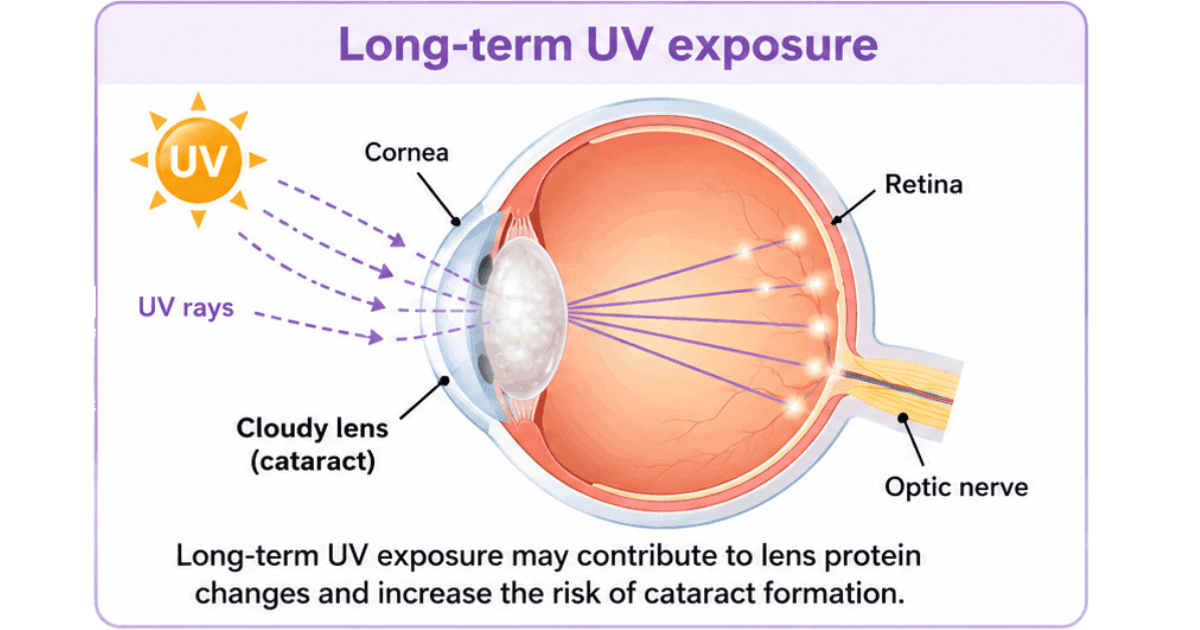
- Cataracts: UV rays may contribute to clouding of the eye’s natural lens, causing blurred vision, glare, or reduced visual clarity.
- Macular health: UVA rays can reach deeper parts of the eye and may contribute to oxidative stress in the retina. While UV exposure is not the only cause of macular degeneration, eye protection remains important for long-term eye health.
- Eye surface growths: Long-term sun exposure may increase the risk of pterygium and pinguecula, which can cause redness, irritation, or visual discomfort.
- Photokeratitis and eye cancers: Strong UV exposure may cause painful corneal sunburn and is also linked with some eye and eyelid cancers.

UV exposure is not the only factor involved in eye disease. Age, family history, smoking, diabetes, and overall health may also play a role. However, wearing UV-protective sunglasses is a simple daily habit that can help reduce unnecessary UV exposure and support long-term eye health.
What are Cataracts and macular degeneration?
Cataracts occur when the eye’s natural lens becomes cloudy. This can make vision look blurred, hazy, or less bright.
Cataracts are commonly related to ageing, but long-term UV exposure may also contribute to lens changes over time.
Macular degeneration affects the macula, the central part of the retina that helps with reading, recognising faces, and seeing fine details.
Age-related macular degeneration is usually linked to ageing and other risk factors. While UV exposure should not be described as a definite cause of macular degeneration, long-term eye protection, healthy lifestyle choices, and regular eye checks are all part of maintaining better eye health.
Considering Cataract Surgery?
If cataracts are affecting reading, driving, or daily activities, a detailed cataract assessment can help determine whether surgery may be suitable based on your eye measurements, visual needs, and overall eye health.
Learn more about Cataract Surgery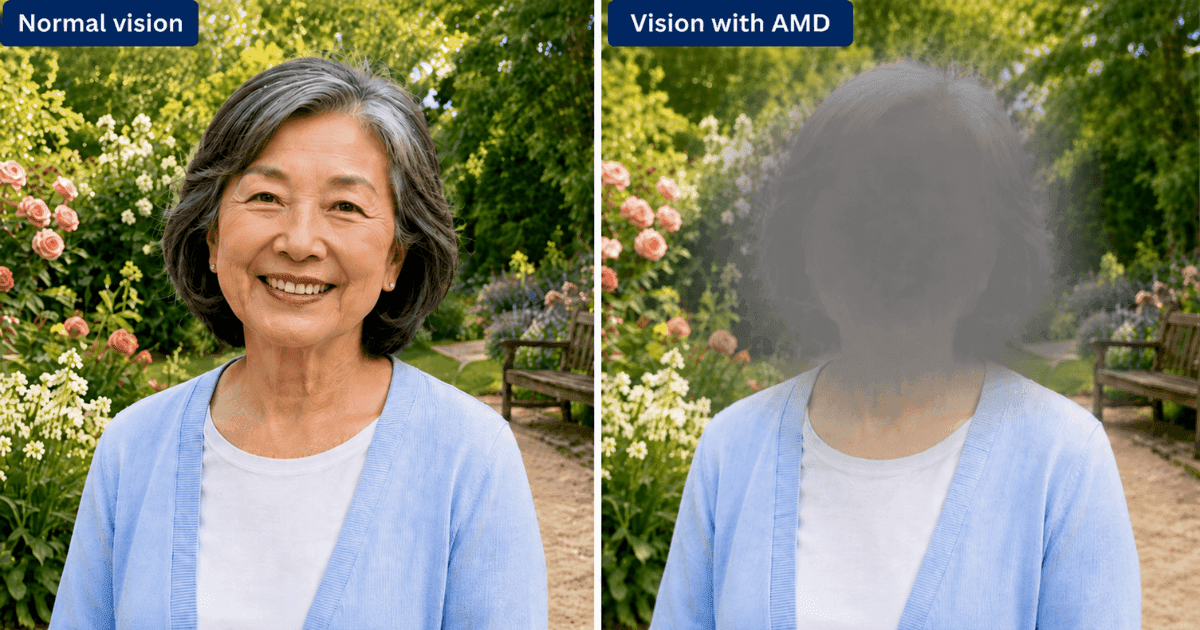
Simple ways to protect your eyes from the sun
Protecting your eyes from the sun can be simple, but it is important to choose the right protection.
- Choose UV-protective sunglasses: Look for sunglasses labelled 100% UV protection or UV400, which can help block both UVA and UVB rays.
- Wear a hat outdoors: Pair sunglasses with a wide-brimmed hat, especially during midday when sunlight is stronger.
- Protect your eyes even on cloudy days: UV rays can still pass through clouds, so eye protection is useful throughout the year, not only on sunny days.
These small habits can help reduce unnecessary UV exposure and support long-term eye health.
When should you consider cataract screening ?
You may consider cataract screening if you are aged 50 and above, or if you notice cloudy vision, glare, faded colours, or difficulty seeing clearly at night. These symptoms do not always mean you have cataracts, but they are good reasons to arrange an eye check.
Cataract Screening may be suitable for:
- Adults aged 50 and above
- People with cloudy or blurred vision
- People who notice more glare, especially at night
- People with frequent changes in spectacle prescription
- Anyone concerned about age-related vision changes
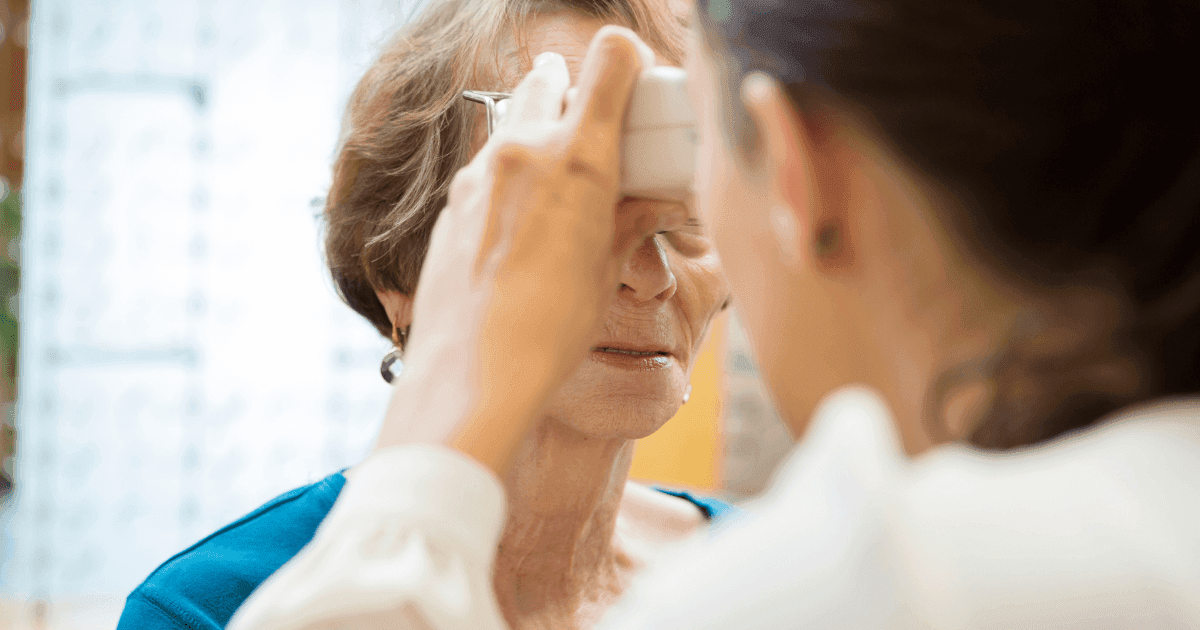
This Month, remember that sun protection is not only for your skin. Your eyes are exposed to sunlight too. Simple habits such as wearing UV-protective sunglasses, looking after your overall health, and going for regular eye checks can support long-term vision health.
If you are experiencing cloudy vision, glare, or age-related vision changes, consider arranging a Cataract Screening at Eagle Eye Centre.