Pterygium (Surfer’s Eye)
What is pterygium?
Pterygium is a non-cancerous growth of tissue that appears on the white part of the eye (sclera). This wedge-shaped growth can slowly extend across the cornea and may cause visual disturbances if left untreated. It typically appears on the side of the eye closest to the nose and is commonly referred to as Surfer’s Eye.
Common symptoms
If the growth alters the curvature of the cornea, it can lead to astigmatism and affect your vision quality. Pterygium can be symptomless in early stages. However, as it grows, it may cause:
- A yellow or pinkish spot on the white of the eye
- Gritty or sandy feeling
- Eye redness or swelling
- Irritation or burning sensation
- Blurred or distorted vision
- Dryness or tearing
- Sensitivity to wind or light
- Discomfort with contact lens wear
How is pterygium diagnosed?
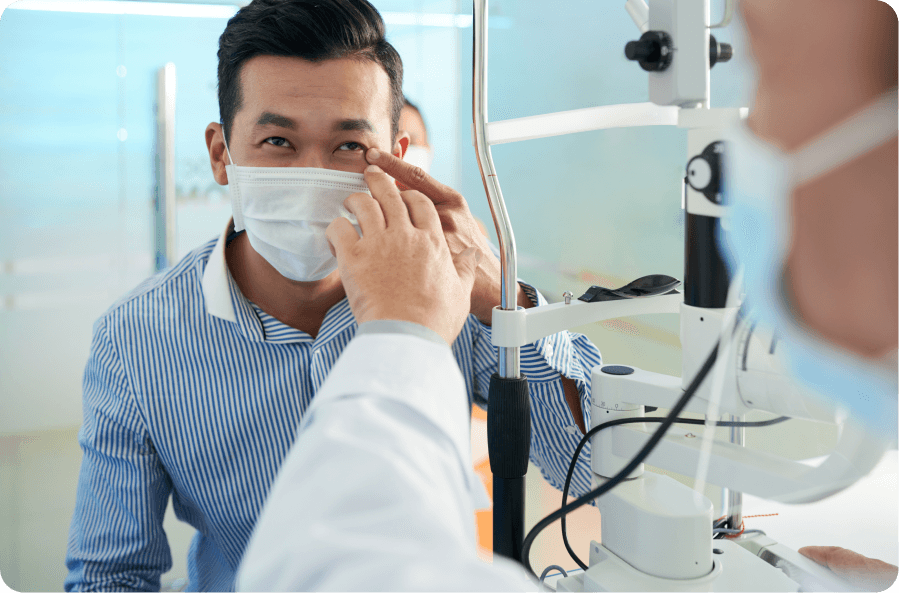
An ophthalmologist will examine your eye using a slit-lamp microscope to assess the extent of the growth and any impact on the cornea. Additional tests may include:
- Visual acuity check
- Corneal topography to detect surface irregularities
- High-resolution imaging of the eye surface
Though pterygium is benign, in rare cases it may resemble more serious conditions. Your doctor may advise further tests to rule out any atypical lesions.
Prevention & eye care tips
Consistent protection can help keep your eyes moist and shielded from environmental triggers. To reduce the risk of pterygium or prevent recurrence:

Avoid
- Direct sunlight without protection
- Dust and strong winds
- Exposure to irritants such as smoke or pollen

What causes pterygium?
Long-term exposure to sunlight, especially ultraviolet (UV) rays, is the primary cause of pterygium. Dry, dusty, and windy environments also contribute to its development. People who spend extended time outdoors or live in tropical climates are at increased risk.
Although not always linked to sun exposure, the combination of UV light and eye irritation can lead to this growth over time.
Treatments
Treatment may be non-surgical or surgical, depending on the size of the pterygium, your symptoms, and whether it affects your vision.

Non-surgical treatment
Lubricating eye drops may help relieve irritation, dryness and redness in mild cases.
Risk factors
Pterygium is often confused with pinguecula, a similar but smaller yellowish growth. Understanding the difference is important for appropriate treatment.
People aged 20 to 40
Individuals frequently exposed to UV rays
Those living near the equator or in dry climates
Outdoor workers or sports enthusiasts
Males may be more frequently affected
Individuals exposed to irritants like dust, smoke, or pollen
Risk factors
Our Specialists
Our team of board-certified ophthalmologists and licensed optometrists brings together decades of specialized training and experience. Each doctor has completed additional fellowship training in subspecialty areas, ensuring you receive the most advanced care available.



Frequently asked questions
Ask us anything about how we can help you understand eye care better!
WHAT YOU SEE MATTERS
Book a pterygium evaluation
If you notice an unusual growth on your eye or are experiencing irritation, consult our team at Eagle Eye Centre. We provide detailed diagnostic testing and tailored treatments for pterygium and other eye surface disorders. Book a Consultation to prioritise your eye health and receive expert care.