
Sports eye safety: How to protect your eyes during sports and exercise
Written by Eagle Eye Centre
Published on April 27, 2026
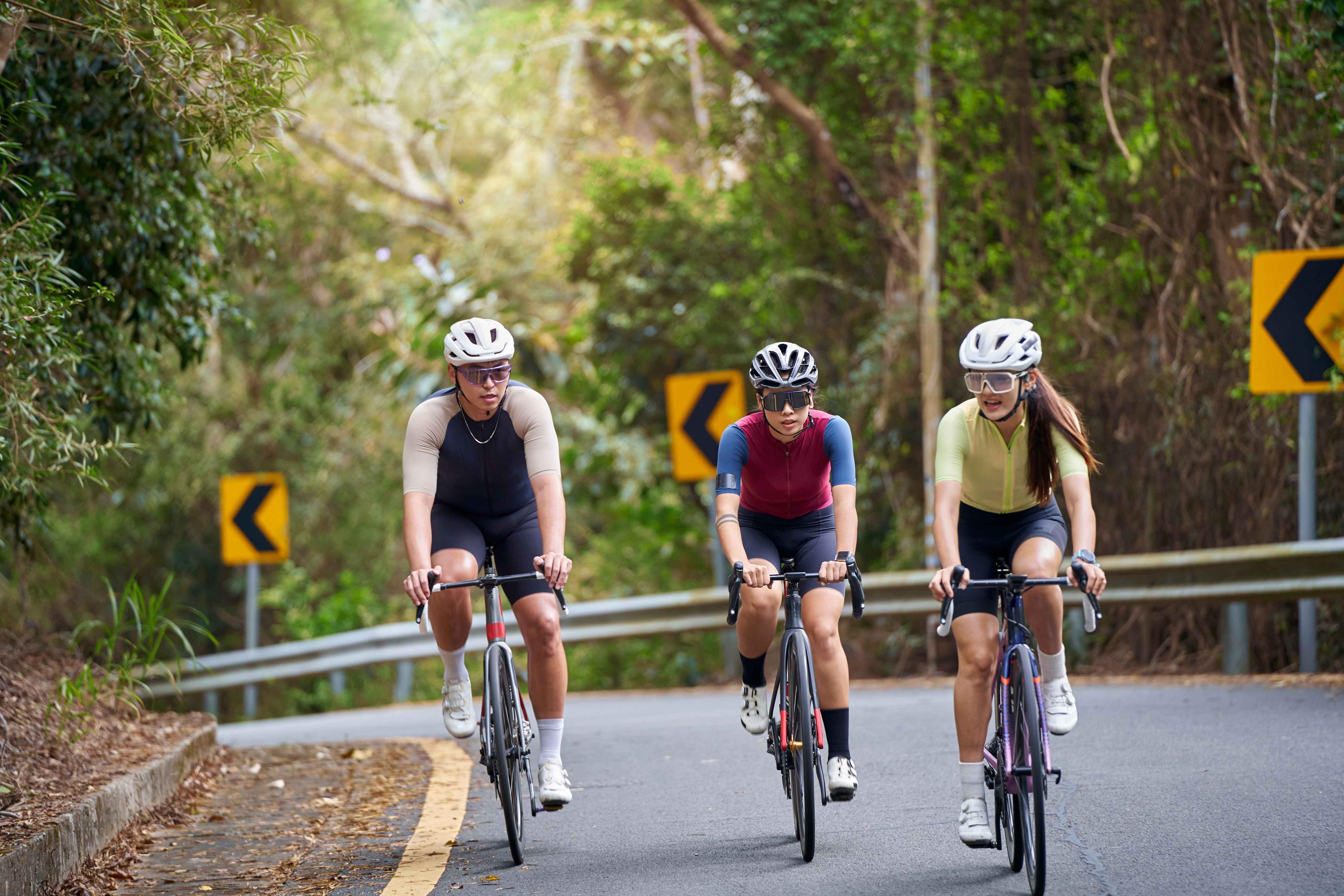
Eye injuries during sports can happen suddenly. A ball, racquet, elbow, finger, shuttlecock or other fast-moving object may accidentally hit the eye area and cause injury.
Outdoor sports may also expose your eyes to ultraviolet rays, glare, wind and dust. For contact lens wearers, sweat, dust and improper lens hygiene may increase the risk of eye irritation or infection.
Good sports eye safety habits can help reduce the risk of injury, support clearer vision and improve comfort during physical activity.
Why Sports Eye Safety Matters
Eye injuries during sports can happen suddenly. A ball, racquet, elbow, finger, shuttlecock or other fast-moving object may accidentally hit the eye area and cause injury.
Outdoor sports may also expose your eyes to ultraviolet rays, glare, wind and dust. For contact lens wearers, sweat, dust and improper lens hygiene may increase the risk of eye irritation or infection.
Good sports eye safety habits can help reduce the risk of injury, support clearer vision and improve comfort during physical activity.
Common Eye Risks During Sports
Different sports may carry different types of eye-related risks.
Common risks include:
- Accidental impact from balls, racquets, elbows or fingers
- Dust, wind or debris entering the eyes
- UV exposure during outdoor activities
- Glare from roads, water or bright environments
- Contact lens irritation or dryness
- Eye infections linked to poor contact lens hygiene
- Fogging, slipping or breakage of spectacles during exercise
This is why suitable eye protection, regular eye checks and proper vision correction are important for active individuals.
A systematic review on sports-related eye injuries also found that sports-related injuries accounted for about 9.3% of total eye injuries, while sports-related eye injuries made up about 6.7% of all sports injuries.
In Singapore, a prospective study on eye injuries found that eye trauma affected a wide age range, with men making up a large proportion of cases. While many injuries were work-related, the findings highlight that eye injuries can affect daily function and should not be taken lightly.
ReferenceTips to Protect Your Eyes While Playing Sports
1. Wear Protective Eyewear Where Appropriate
One of the most effective ways to reduce the risk of sports-related eye injuries is to wear suitable protective eyewear.
For sports with a higher risk of impact, such as football, basketball, badminton, squash, tennis, martial arts or contact sports, consider using sports goggles, wraparound eyewear or face shields made from impact-resistant materials.
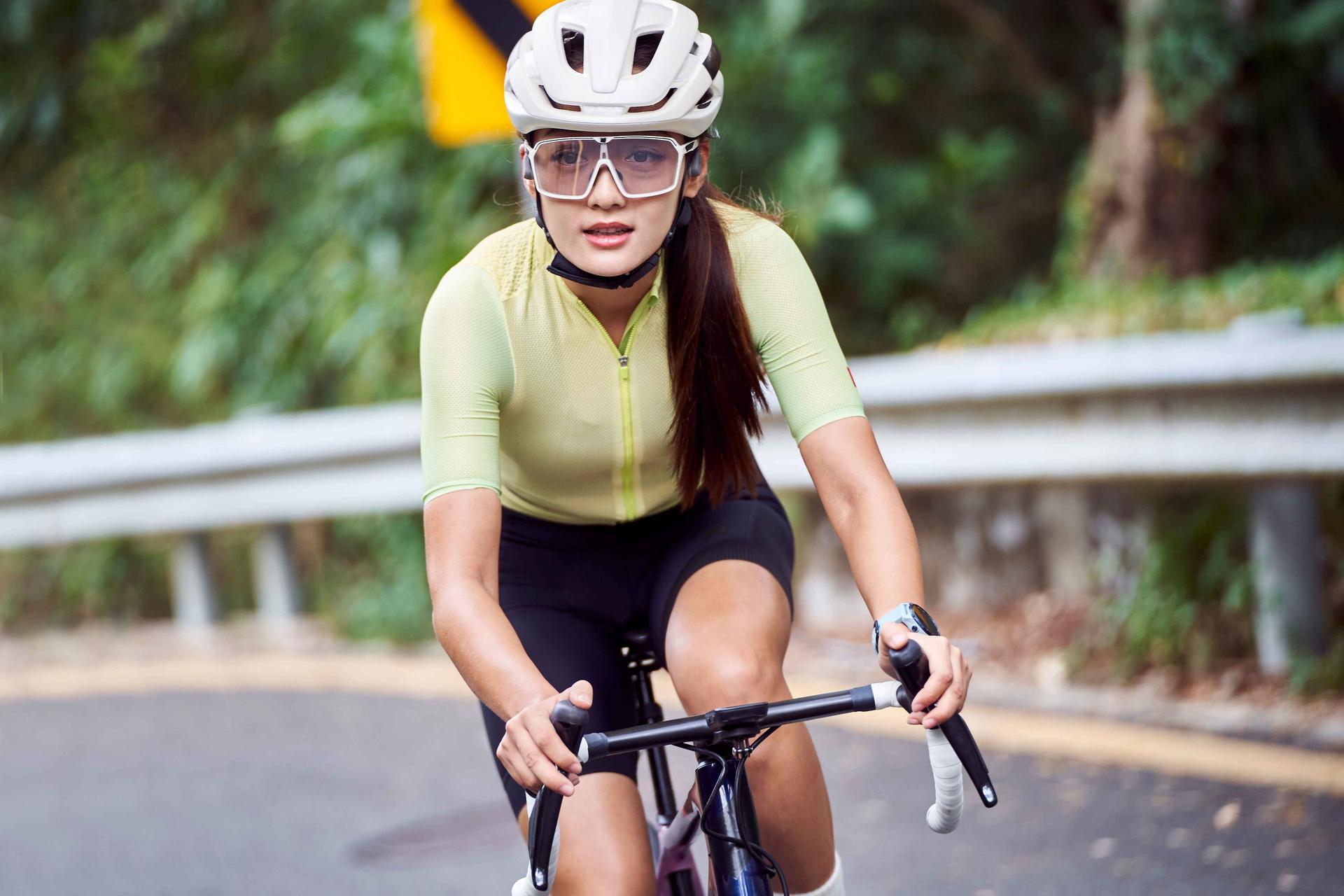
If you wear prescription glasses during sports, choose durable frames and lenses that are less likely to break upon impact. Sports eyewear should also provide good coverage around the eyes to reduce exposure to dust, debris and fast-moving objects.
For humid environments or high-intensity activities, anti-fog lenses may help maintain clearer vision.
2. Choose Eyewear That Fits Securely
Protective eyewear works best when it fits properly.
Eyewear that is too loose may slip during movement, affect visibility or become uncomfortable. Choose eyewear that sits securely on your face without pressing too tightly.
For high-movement sports, adjustable straps or wraparound frames may provide better stability. The eyewear should also cover the eye area well to reduce the chance of side impact, dust or debris entering the eyes.
3. Use UV-Protective Sunglasses for Outdoor Sports
If you play outdoor sports or spend long hours under the sun, UV protection is important.
Prolonged UV exposure may contribute to long-term eye conditions such as cataracts and retinal changes. When choosing sunglasses for sports, look for lenses that offer 100% UVA and UVB protection.
For activities such as cycling, running, golf, tennis or water sports, wraparound sunglasses can provide wider coverage. Polarised lenses may also help reduce glare from reflective surfaces such as roads, water or bright outdoor environments.
4. Be Careful When Wearing Contact Lenses During Sports
Contact lenses can be convenient for sports because they do not fog up, slip down or interfere with helmets and protective gear.
However, contact lens hygiene is important. Sweat, dust and improper lens handling may increase the risk of eye irritation or infection. If you wear contact lenses during sports, daily disposable contact lenses may be a more hygienic option because they are discarded after use.
Avoid wearing contact lenses while swimming. Water exposure can increase the risk of serious eye infections, especially when lenses are worn in pools, open water or hot tubs.
If contact lenses are needed for certain activities, they should still be paired with suitable protective eyewear where appropriate.
5. Stay Aware of Your Surroundings
Many sports-related eye injuries happen suddenly.
Being aware of your surroundings can help reduce the risk of accidental impact. Keep an eye on fast-moving objects such as balls, shuttlecocks, racquets, elbows, fingers or sticks.
It is also important to be mindful of other players’ movements, especially in team sports, racket sports and activities where sudden changes in direction are common.
6. Replace Damaged Eyewear
Do not continue using sports eyewear, sunglasses or prescription glasses if the lenses are cracked, scratched or loose.
Damaged eyewear may reduce visibility and may not provide the same level of protection during impact. Scratched lenses can also cause glare or visual distortion, which may affect performance and safety during sports.
Replace damaged eyewear promptly to maintain clearer vision and better protection.
7. Go for Regular Eye Checks
Clear vision plays an important role in sports performance and safety.
If you experience blurry vision, eye strain, frequent headaches, glare, dry eyes or difficulty seeing clearly during sports, consider arranging an eye assessment.
Regular eye checks can help detect changes in your vision and identify whether your current spectacles or contact lenses are still suitable for your lifestyle.
For some active individuals, spectacles and contact lenses can feel inconvenient during sports or exercise. Glassess slipping, fogging, discomfort whean wearing helmet, or dryness of eyes.
Considering LASIK, SMILE, PRK or ICL for an Active Lifestyle?
Some active individuals consider refractive surgery because they want to reduce their reliance on spectacles or contact lenses during sports, exercise or outdoor activities.
Common vision correction options include:
However, not everyone is suitable for every procedure. Suitability depends on factors such as your eye power, corneal thickness, corneal shape, eye pressure, dry eye status and overall eye health.
That is why the first step is not choosing a procedure immediately. The first step is to undergo a refractive evaluation to understand whether your eyes may be suitable.
Final Thoughts on Sports Eye Safety
Sports eye safety should not be an afterthought. Whether you are playing competitively, exercising regularly or simply staying active, protecting your eyes can help reduce the risk of injury and support clearer, more comfortable vision.
Simple steps such as wearing protective eyewear, using UV-protective sunglasses, practising good contact lens hygiene, replacing damaged eyewear and going for regular eye checks can help you take better care of your eyes during sports and beyond.
For those who feel restricted by spectacles or contact lenses, a refractive evaluation can help you better understand whether vision correction options such as LASIK, SMILE, PRK / Epi-LASIK or ICL may be suitable for your eyes.