
Did you know that contact lenses are medical devices?
Written by Eagle Eye Centre
Published on May 13, 2026
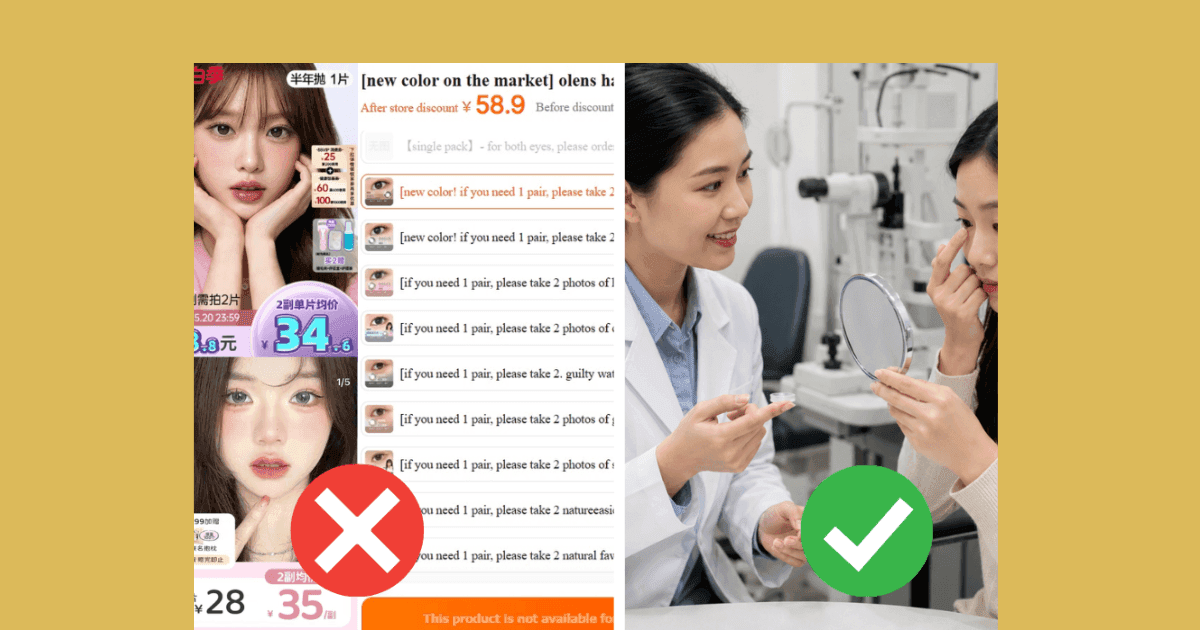
Many people in Singapore are used to comparing prices and buying products online. However, when it comes to eye health, a cheaper or more convenient option may come with serious risks.
During Operation Pangea, a global enforcement operation involving the Health Sciences Authority and Interpol, thousands of illegal health products were seized or removed from online platforms. In a recent CNA Health Matters segment, it was highlighted that:
More than 80% of the online listings taken down were for unregistered contact lenses.
These products are not simply “unauthorised brands”. Some may be expired, counterfeit, poorly stored, or made with materials that are not suitable for contact with the human eye. Many of them are also cosmetic or coloured lenses used by people who may not need vision correction at all.
To explain the real risks behind unregistered and counterfeit contact lenses, Dr Val Phua, Director of Cataract & Refractive Surgery and Comprehensive Ophthalmic Services at Eagle Eye Centre, was featured on CNA Health Matters with Daniel Martin.
In the segment, Dr Phua explained why contact lenses are medical devices, why proper fitting matters, and why buying contact lenses from unverified online sources can put eye health at risk.
Why all contact lenses are medical devices, not beauty accessories?
One of the biggest misconceptions about contact lenses is that they are simple lifestyle or beauty products, especially when they are coloured lenses without prescription power.
In Singapore, contact lenses are regulated as medical devices. HSA has also stated that all types of contact lenses are considered medical devices, and HealthHub lists contact lenses as an example of a Class B medical device.

This matters as Dr Phua explained in the CNA interview:
“The contact lenses do sit on the cornea itself. So if it's not used responsibly, it can result in a lot of eye damage and complications.”
Because the cornea is delicate, even a small problem with lens fit, hygiene, storage, or material quality may lead to irritation, reduced oxygen supply, corneal injury, or infection.
This applies to all types of contact lenses, including:
- Daily, weekly, and monthly disposable contact lenses
- Cosmetic or coloured lenses, with or without prescription power
Before contact lenses are worn safely, important steps should be taken by a registered eye care professional.
The Important Steps
1.Eye check to confirm suitability 2.Proper contact lens fitting 3.Guidance on safe wear, cleaning, and removal 4.Follow-up checks to monitor corneal health
Learn more about our eye screening servicesFive risks of buying contact lenses online
Buying contact lenses online may seem convenient, but it can skip important safety checks. HSA advises consumers not to buy contact lenses from dubious or unknown online sources, as unsafe lenses may lead to eye infections, corneal ulcers, or serious vision problems.
Key risks include:
- No professional eye assessment: Your prescription, eye shape, and corneal health can change over time. Without proper fitting, lenses may be too tight, too loose, or unsuitable for your eyes.
- Unverified product quality: Counterfeit lenses may look convincing, with copied packaging, batch numbers, or expiry dates. Users may not know if the lenses are genuine, expired, or safely stored.
- No hygiene guidance: Contact lenses require proper cleaning, handling, and replacement. Without professional advice, unsafe habits can increase the risk of infection.
- No corneal health monitoring: Some contact lens problems start subtly. Regular eye checks can help detect dryness, irritation, poor lens fit, or early corneal changes.
- Poor storage or expired lenses: Incorrect storage conditions may affect lens sterility, safety, and comfort.
What can happen if contact lenses are not used safely?
Improper contact lens use can lead to a range of eye problems, In the CNA interview, Dr Phua warned possible complications that can include:
Mild complications : Dry eyes, eye pain, eyes are blurred,eye irritation, allergies, and conjunctivitis
Moderate complications: Corneal abrasions, persistent redness, discharge, and contact lens intolerance
Severe complications: Corneal ulcers, fungal keratitis, corneal scarring, and permanent vision loss in serious cases
Additionally, a visible white spot on the cornea should not be ignored. He explained:
The most concerning complication: corneal ulcers
A corneal ulcer is an open sore on the cornea, often linked to infection. In contact lens wearers, this can become serious because infection may spread quickly across the corneal surface.
“A white spot on the cornea… is definitely not something you should ignore.”
Treatment for a corneal infection may involve taking a small sample from the infected area to identify the organism, followed by intensive antibiotic or antifungal eye drops. In more severe cases, treatment may need to be very frequent, and some patients may require hospital care.
Why cosmetic coloured contact lenses may carry higher risks
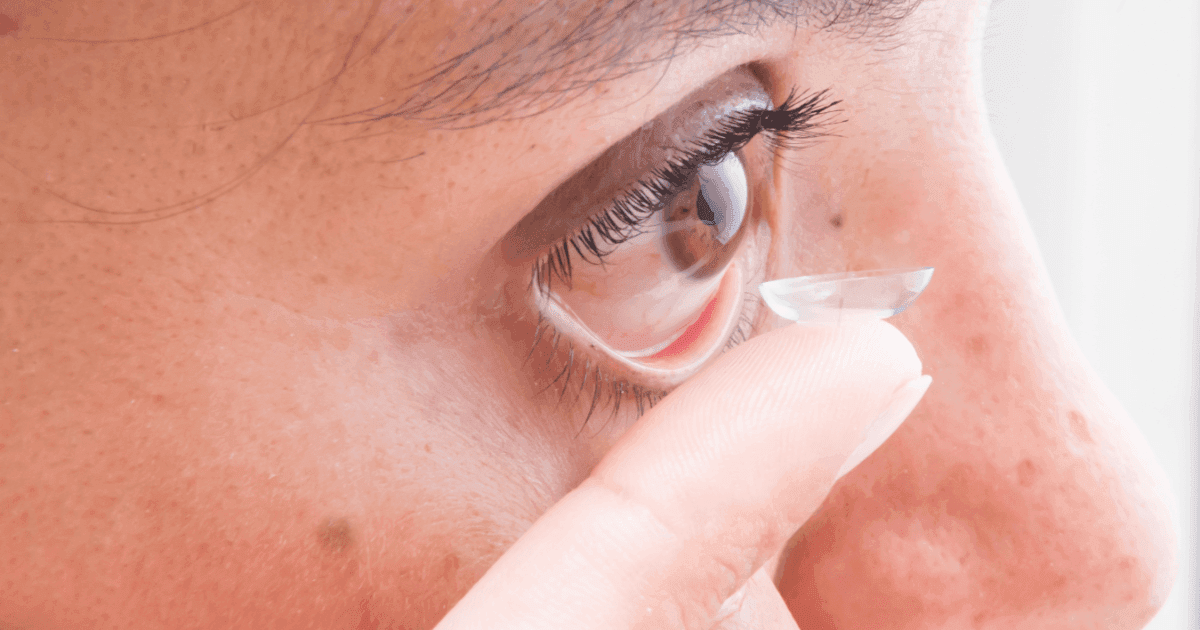
Coloured contact lenses are often used to change eye colour or create a larger-eye appearance. However, cosmetic lenses can still carry the same medical risks as prescription contact lenses because they sit directly on the cornea.

Dr Phua explained that cosmetic lenses may be higher risk for several reasons:
1. Younger or first-time users may underestimate hygiene risks
Many cosmetic lens users are younger or new to contact lens wear. They may not have received proper training on safe insertion, removal, cleaning, and storage.
2. Lenses may come from unverified sources
Cosmetic lenses are often promoted on social media or sold through unverified platforms, informal sellers, or non-medical retail channels.
3. Appearance may be prioritised over material safety
Users may choose lenses based on colour, pattern, or enlargement effect rather than oxygen permeability, lens material, comfort, or suitability for the eye.
4. There may be no professional supervision
Without an eye examination and follow-up checks, users may not know whether the lens is damaging the cornea or worsening existing eye surface problems.
Even short-term use can cause harm if the lens is contaminated, poorly fitted, or made from unsafe materials. Temporary changes in eye appearance are not worth risking long-term vision.
Do not take shortcuts with your eyes
Unregistered and counterfeit contact lenses may look harmless, but they can expose the eyes to unnecessary risk. What seems like a quick beauty choice or a cheaper online purchase may lead to infection, corneal damage, scarring, or long-term vision problems.
At Eagle Eye Centre, our goal is to help patients protect their vision through safe, professional, and evidence-based eye care. Contact lenses should be fitted properly, worn responsibly, and monitored regularly.
Do not gamble with your sight. Choose professional care over unverified convenience.