
Cataract Awareness Month: Seven cataract facts Singaporeans should know
Written by Eagle Eye Centre
Published on June 15, 2026

Cataracts are one of the most common age-related eye conditions, yet many people may not fully understand how they develop, what symptoms to look out for, or when to consider cataract screening.
In Singapore, cataracts represent a major public health concern and are the primary cause of blindness, accounting for 82.6% of blindness cases.
Driven by a rapidly aging population, cataracts become increasingly common with age, making cataract extraction one of the most frequently performed surgical procedures in the country.
As Singapore’s population continues to age, cataract awareness becomes increasingly important for individuals, families and caregivers.
Why cataract awareness month matters
Cataract Awareness Month is a good time to improve public understanding of cataracts, including their symptoms, risk factors, screening and treatment options. For many people, cataracts develop gradually. Early changes may be mistaken for normal aging, tired eyes, changes in spectacle power or poor lighting.
However, when cataracts begin to affect daily activities such as reading, driving, using digital devices, recognising faces or moving around safely, a professional eye assessment may be helpful.
At Eagle Eye Centre, we believe cataract awareness should encourage understanding, early eye assessment and appropriate care.
Here are seven cataract facts Singaporeans should know, especially if they or their loved ones are experiencing changes in vision.
Fact 1:Cataracts do not only affect the elderly
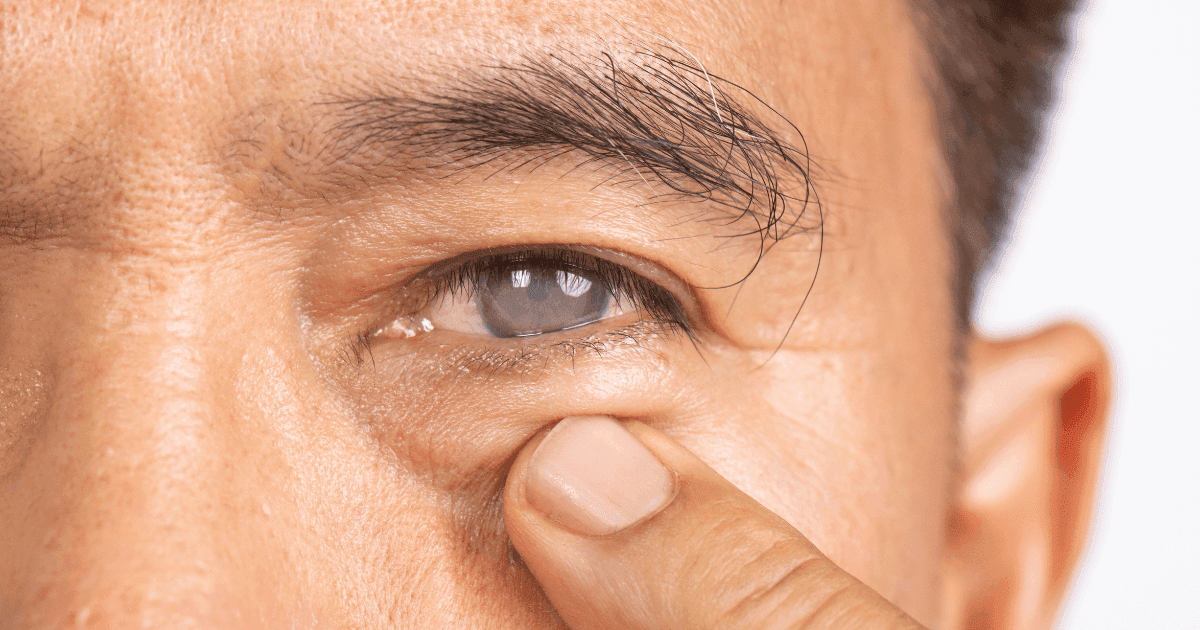
Cataracts can occur at any age, although they are more commonly seen in adults in their 50s to 70s and beyond. While age-related cataracts are the most common type, cataracts may also develop earlier due to factors such as:
- Genetic or congenital causes
- Diabetes
- High myopia
- Previous eye injury, eye inflammation or long-term steroid use
This is why cloudy vision or glare should not be dismissed simply because a person feels “too young” to have cataracts. If vision changes persist, an eye check may help identify the cause.
Fact 2:Eye drops cannot remove an existing cataract

One common misunderstanding is that cataracts can be treated with eye drops, supplements, non-surgical products or eye exercises.
At present, eye drops, supplements, non-surgical products or eye exercises cannot remove an existing cataract or reverse clouding of the natural lens. They may support general eye comfort or overall eye health, but they do not clear a cataract that has already formed.
When cataracts significantly affect vision and daily activities, cataract surgery is the established treatment option. During cataract surgery, the cloudy natural lens is removed and replaced with an artificial intraocular lens.
That said, not every cataract needs surgery immediately. The decision should be based on the severity of the cataract, visual needs, lifestyle, eye health and an ophthalmologist’s assessment.
Fact 3:Cataract surgery is not something to fear
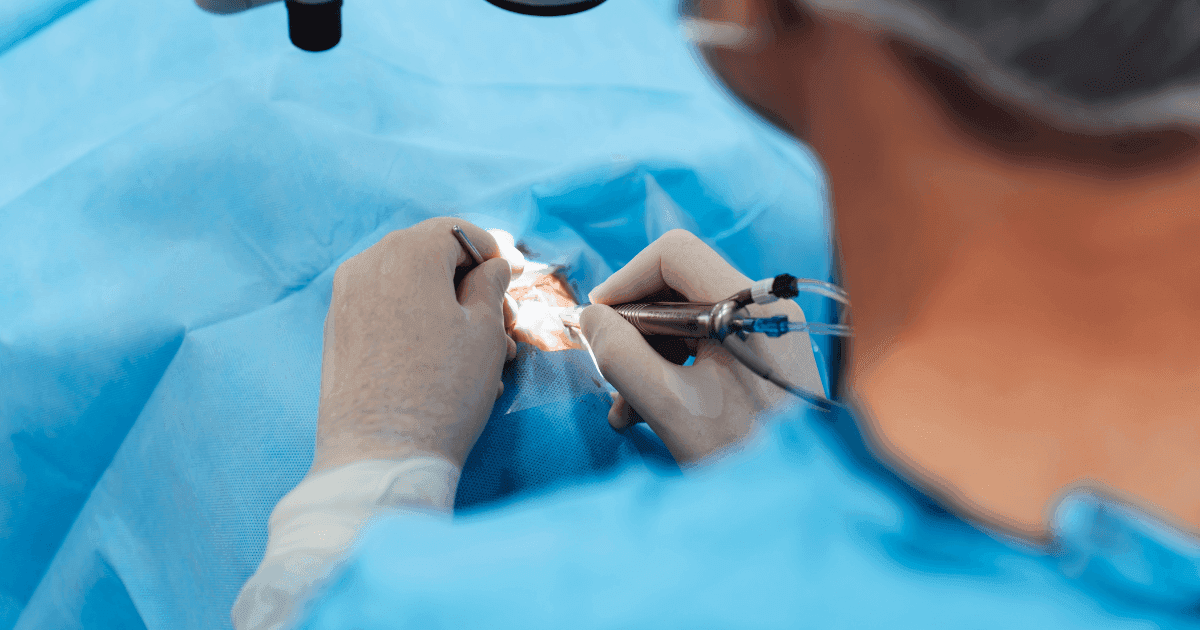
Many people feel anxious about eye surgery, but cataract surgery is a commonly performed procedure.
During surgery, the cloudy natural lens is removed and replaced with a clear artificial lens, also known as an intraocular lens or IOL. This helps light focus more clearly on the retina.
For suitable patients, cataract surgery is usually performed as a day procedure under local anaesthesia. Before surgery, a detailed eye assessment helps check the cataract, overall eye health and the most suitable lens option.
Your ophthalmologist will also explain the benefits, possible risks, recovery process and follow-up care before treatment.
Fact 4:Cataracts do not have to be “ripe” before assessment
Some people believe cataracts must be very advanced before surgery can be considered. This is an outdated idea.
The timing of cataract surgery depends on how much the cataract affects daily life, visual needs and overall eye health. If cloudy vision, glare or poor night vision starts affecting reading, driving or work, it may be time to seek an assessment.
An ophthalmologist can check whether monitoring or cataract surgery is more appropriate.
Fact 5:Older adults may still be suitable for cataract surgery
Age alone does not automatically prevent a person from having cataract surgery. Many older adults may still be suitable, depending on their overall health, eye health and an ophthalmologist’s assessment.
Before surgery, the doctor will assess factors such as:
- Vision and cataract severity
- Eye pressure
- Retinal health
- Medical history
- Other existing eye conditions
For patients with other medical conditions, additional precautions or medical clearance may be needed.
The key point is that suitability should be assessed individually. Older adults should not assume they are “too old” to seek help for cataracts.
Fact 6:Cataracts may not be the only reason for poor vision
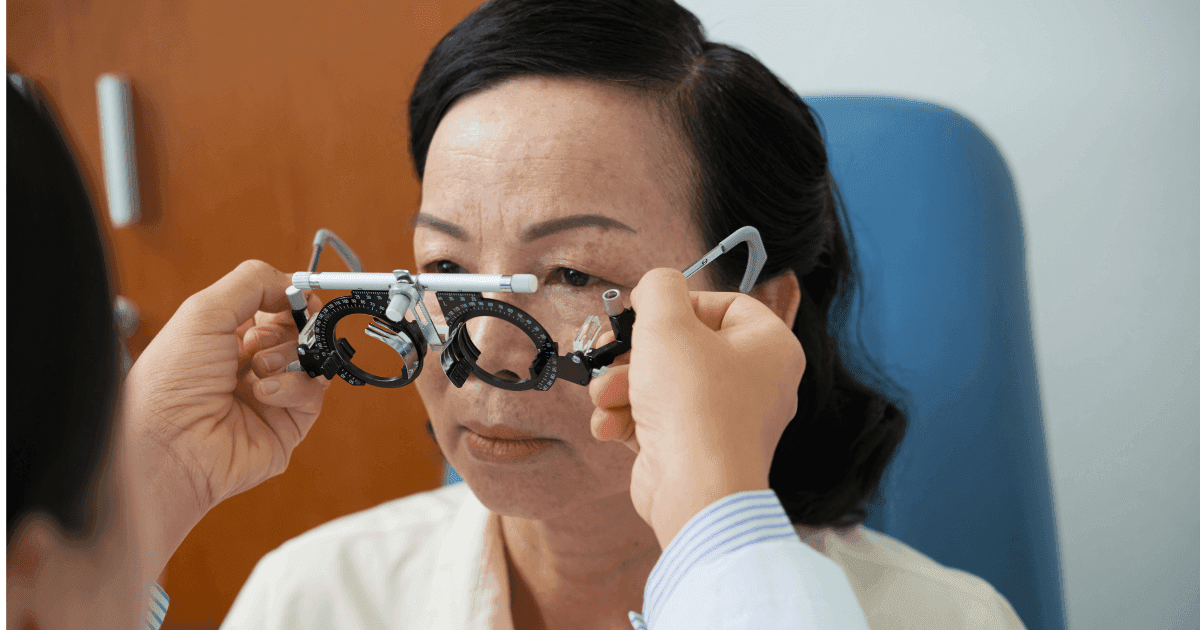
Some people may come for an eye check only wanting to know whether they have cataracts. However, cataracts may not be the only reason for blurred or reduced vision.
A more comprehensive eye assessment is important because other eye conditions such as glaucoma or retinal diseases, can also affect vision. These conditions may not always cause obvious symptoms in the early stages, but they can influence visual outcomes if left undetected.
A full eye screening can help check:
- Lens clarity and cataract severity
- Eye pressure and optic nerve health
- Retinal health
- Visual function and possible causes of blurred vision
This matters because treating cataracts alone may not fully improve vision if there is an underlying glaucoma or retinal condition. In some cases, the ophthalmologist may recommend further tests, monitoring, or a treatment plan before, during or after cataract surgery, depending on the patient’s eye health.
If another eye condition is found, it may also help the doctor plan care more appropriately. For selected patients, cataract surgery may be coordinated with other eye treatments, such as glaucoma or retinal procedures, when clinically suitable.
Need a more complete eye screening service?
A comprehensive screening to assess vision, eye pressure, retinal health, optic nerve and visual field performance. Suitable for those with ongoing vision changes, high myopia, diabetes, family history of eye conditions, or due for a full eye check.
Learn more about Eagle Deluxe Eye ScreeningFact 7:Cataracts can cause severe vision loss if left untreated
Cataracts occur when the eye’s natural lens becomes cloudy. Over time, this clouding may affect daily activities such as reading, driving or recognising details clearly.
Consider cataract screening if you or a loved one is aged 50 and above, or notices:
- Cloudy, blurry or dim vision
- Glare or halos around lights
- Difficulty driving at night
- Colours appearing dull or faded
- Frequent changes in spectacle prescription
- Vision changes affecting daily activities
At Eagle Eye Centre, cataract screening may include vision testing, eye pressure check, lens assessment, OCT imaging and an optometrist consultation with a screening report. These checks help evaluate lens clarity, visual function and overall eye health, so that suitable next steps can be discussed.