
Keratoconus
What is keratoconus?
Keratoconus is a progressive eye condition where the normally round cornea becomes thin and bulges outward into a cone-like shape. This irregular shape distorts light entering the eye, resulting in blurred and distorted vision.
Common symptoms
Keratoconus symptoms are often subtle in the early stages. As the condition progresses, visual changes become more noticeable.
- Blurred or distorted vision
- Increased sensitivity to light and glare
- Eye strain or discomfort
- Headaches after reading or screen use
- Poor night vision
- Frequent changes in glasses prescription
- Double vision in one eye
- Difficulty seeing distant objects
Keratoconus stages
If you notice a sudden deterioration in your vision, consult an eye specialist promptly.

Early stage (Stage 1)
Vision may become mildly blurred or distorted. You may notice short-sightedness and signs of astigmatism such as headaches or squinting.
How keratoconus is diagnosed?
Keratoconus is often detected during a routine eye exam or while assessing suitability for refractive surgery. If keratoconus is suspected, your eye specialist may conduct:
- Corneal topography to map the shape and curvature of the cornea
- Pachymetry to measure corneal thickness
- Refraction tests to determine the extent of vision distortion
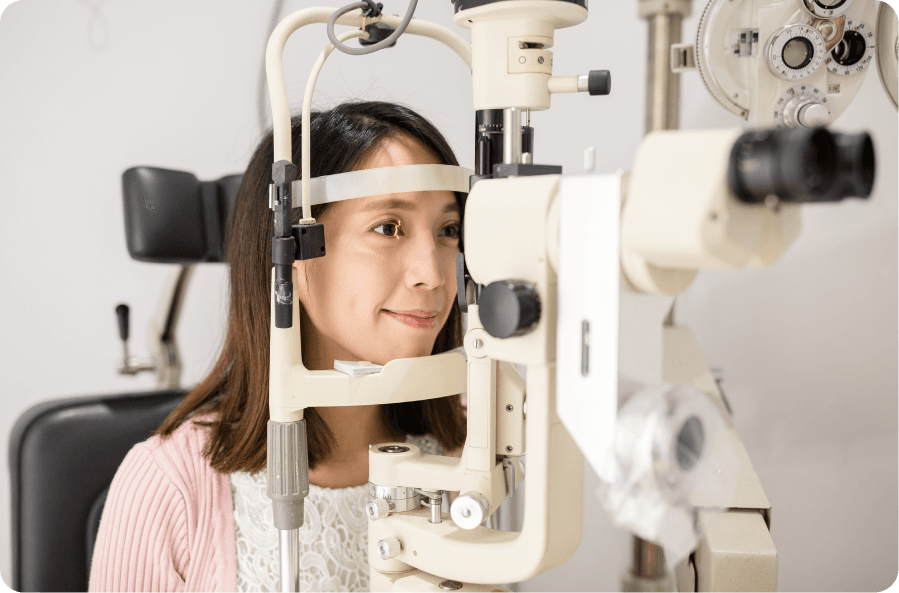
- Slit-lamp examination to observe corneal changes
At Eagle Eye Centre, we use AI-powered corneal scans for accurate and early diagnosis.
Treatments
Early diagnosis is key to avoiding complications and vision loss. Treatment depends on the stage and severity of keratoconus.

Non-surgical options
- Prescription glasses or contact lenses in early stages
- Rigid gas-permeable or scleral lenses for more advanced cases
- Lubricating eye drops for comfort
Risk factors
Understanding your risk profile allows for early intervention and regular monitoring.
Family history of keratoconus
Frequent eye rubbing
Allergic eye disease or chronic eye inflammation
Genetic conditions such as Down syndrome and Ehlers-Danlos syndrome
Onset during adolescence or early adulthood
Being of Black or Latino heritage
Risk factors
Frequently asked questions
Ask us anything about how we can help you understand eye care better!
WHAT YOU SEE MATTERS
Schedule an eye check up
If you notice any of the symptoms of keratoconus or have a family history of the condition, schedule an assessment at Eagle Eye Centre. Our ophthalmologists use advanced diagnostics to detect and manage keratoconus at all stages. Early intervention can help maintain your vision and reduce the risk of long-term damage.