
Haze and your eyes
Written by Eagle Eye Centre
Published on September 26, 2024

What is haze?
Haze is made up of visible larger particulate matter such as PM10, as well as smaller particles like PM2.5. It may also contain harmful gases such as sulphur dioxide, carbon monoxide, nitrogen dioxide and ozone, which can be produced during the burning of vegetation and peat forests.

How does haze affect the body?
Besides the unpleasant smell and reduced visibility, haze can affect the eyes, nose, throat, lungs and skin. Particulate matter and harmful gases may irritate these surfaces and trigger inflammation, increased mucus production, and worsening of existing conditions such as allergic conjunctivitis, sinusitis, asthma, chronic obstructive lung disease, heart disease and eczema.

How does haze affect the eyes?
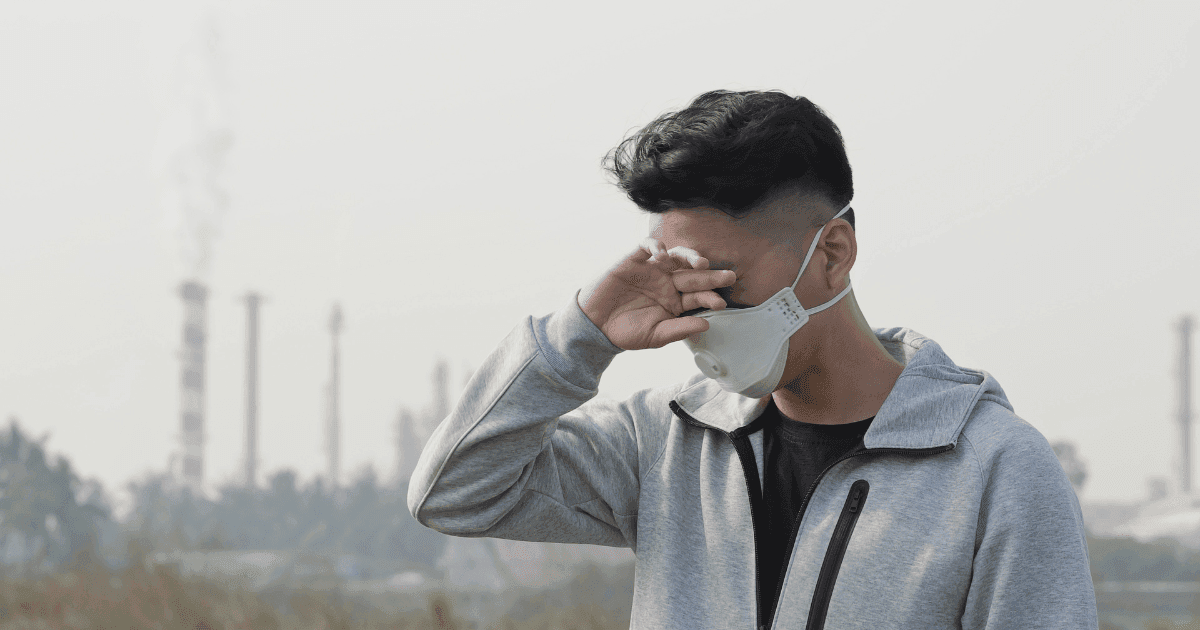
Haze can irritate the surface of the eyes and cause symptoms such as itch, swelling, red eyes, tearing and eye pain. People with existing dry eyes or allergic conjunctivitis may be more affected. Contact lens wearers may also be more sensitive, as tear production is often lower while wearing contact lenses.
How to protect your eyes during haze
- Avoid staying outdoors for prolong periods.
- Wear protective eye wear such as wrap around sun glasses to limit air flow in front of the eyes.
- Use lubricant eye drops as frequent as hourly to 3 hourly to flush and keep the ocular surfaces moist and clean.
- Those are suffering from allergic conjunctivitis can use antihistamines eyedrops such as patanol, pataday, relestat etc to reduce itch. Avoid rubbing the eyes as it will just worsen the condition. For more severe cases, topical steroids eye drops may be needed to reduce the inflammation. These eyedrops are not available over the counter or at pharmacies without prescription.
- If eye symptoms persist or worsen, do consult us or your eye doctors for further management.