
Strabismus (Squint)
What Is Strabismus (Squint)?
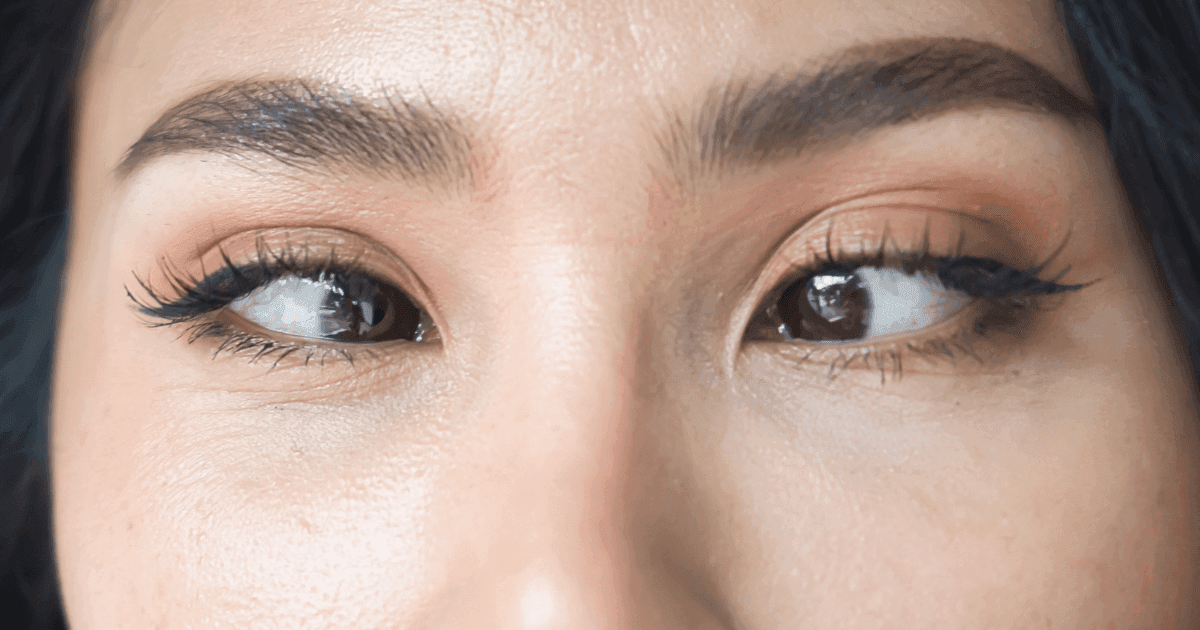
Strabismus is a condition where the eyes are not properly aligned with each other. Instead of both eyes focusing on the same target, one eye may drift while the other continues to look straight ahead.It can affect children and adults, and a proper eye examination can help identify whether the eye turn is true strabismus, pseudo-squint, or related to another vision concern.
Symptoms of Strabismus (Squint)
Strabismus symptoms may be noticed as visible eye misalignment or changes in how a child looks, reads, or focuses. In adults or older children, symptoms may also include double vision or difficulty judging depth.
Common symptoms include:
- Eyes appearing misaligned
- One eye drifting inward, outward, upward, or downward
- Eye turn that appears sometimes, not always
- Closing one eye to see more clearly
- Tilting or turning the head when focusing
- Double vision, especially in older children or adults
- Poor depth perception
- Difficulty with three-dimensional vision
- Eye strain or visual discomfort
- Possible lazy eye in children

What Causes Strabismus (Squint)?
Strabismus may develop when the eyes, eye muscles, nerves, vision system or focusing needs do not work together normally. It may also be linked to high spectacle power, poor vision in one eye, or conditions affecting the eye muscles or nerves.
Possible causes include:
- Uneven eye muscle control
- Nerve-related eye movement problems
- High spectacle power or refractive error
- Poor vision in one eye
- Childhood cataract affecting visual input
- Droopy eyelid blocking vision
- Eye socket or muscle-related conditions
- Premature birth
- Developmental or neurological conditions
- Family tendency in some cases
Risk Factors
Some people may have a higher chance of developing Strabismus (Squint), especially if there is a family history or if visual development is affected during childhood. Early assessment is important because strabismus may lead to amblyopia or affect binocular vision if not managed appropriately
Family history of strabismus or lazy eye
Premature birth
High spectacle power
Poor vision in one eye
Childhood cataract
Droopy eyelid affecting vision
Conditions affecting eye muscles or nerves
Developmental or neurological conditions
Eye misalignment noticed in infancy
New eye misalignment in adulthood
Risk Factors
How Strabismus (Squint) Is Diagnosed
Strabismus is diagnosed through a detailed eye examination that checks eye alignment, eye movement, vision development, and whether both eyes are working together properly. Children who appear to have a squint should be assessed to confirm whether it is true strabismus or pseudo-squint.
A detailed eye examination may include:
- Eye alignment assessment
- Visual acuity testing
- Refraction assessment
- Eye movement assessment
- Binocular vision assessment
- Lazy eye assessment
- Pseudo-squint assessment
- Further investigations where needed
Managing & treating Strabismus (Squint)
Treatment for strabismus depends on the type of eye turn, age, symptoms, vision development, and whether other eye conditions are causing the misalignment. The usual treatments will include:
Glasses
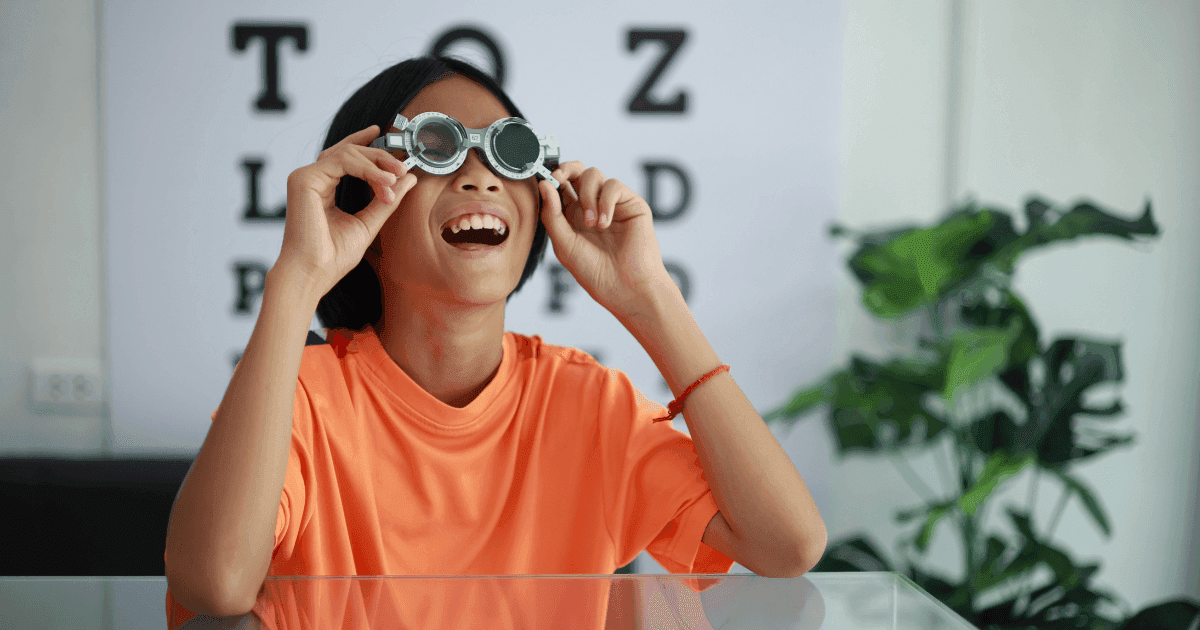
Glasses may be recommended when refractive error or high spectacle power contributes to the eye turn. Correcting the prescription can support clearer vision and may help the eyes work together more comfortably.
Our specialists
Our team of board-certified ophthalmologists and licensed optometrists brings together decades of specialized training and experience. Each doctor has completed additional fellowship training in subspecialty areas, ensuring you receive the most advanced care available.



Frequently asked questions
Ask us anything about how we can help you understand eye care better!
WHAT YOU SEE MATTERS
Schedule Your Vision Check
Strabismus can affect eye alignment, depth perception, visual development, and in some children, may lead to lazy eye. If you notice one eye turning inward, outward, upward or downward, or if your child closes one eye, tilts their head, or appears to have poorly coordinated eyes, an eye assessment can help confirm whether it is true squint or pseudo-squint and guide suitable treatment.