Presbyopia
What is Presbyopia?
Presbyopia is a common age-related vision condition that affects the eye's ability to focus on nearby objects. As the eye's natural lens becomes less flexible with age, tasks such as reading, using digital devices or seeing small print up close may become more difficult. While presbyopia is a natural part of aging, it can be effectively managed with appropriate vision correction and treatment options.
Common Symptoms
Presbyopia symptoms usually develop gradually and often become noticeable after the age of 40. As near vision becomes less clear, everyday activities such as reading, using digital devices and other close-up tasks may become more difficult.
- Blurred near vision
- Difficulty reading up close
- Eye strain or headaches discomfort
- Brighter lighting needed
What causes presbyopia?
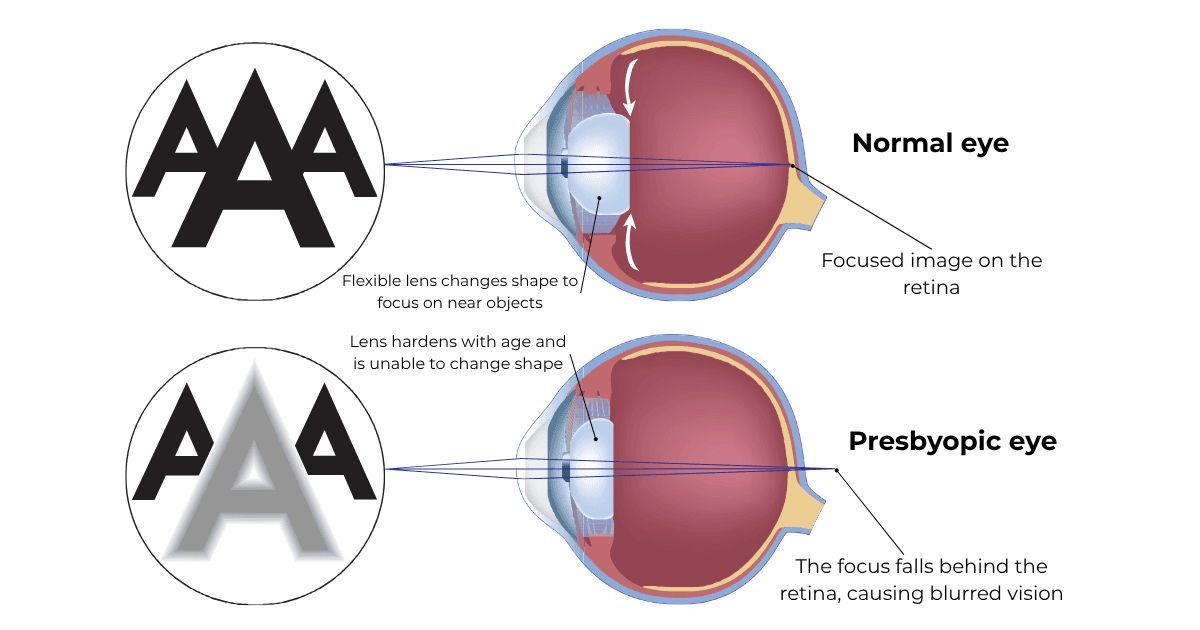
Presbyopia is a natural part of aging. Think of your eye as a camera that slowly loses its "autofocus" feature over time due to structural changes inside the eye.
- The flexible lens: In your youth, your eye’s lens is soft. Small muscles easily change its shape to bend light and focus perfectly on your retina, allowing clear vision at any distance.
- The aging process: As you get older, your lens grows new cell layers like an onion. This continuous growth makes the lens thicker and much less flexible.
- The blurry result: Because the hardened lens can no longer easily shift its shape, incoming light fails to land properly on the retina. Starting around age 40, this causes objects close to you to appear blurry.
How is presbyopia diagnosed?
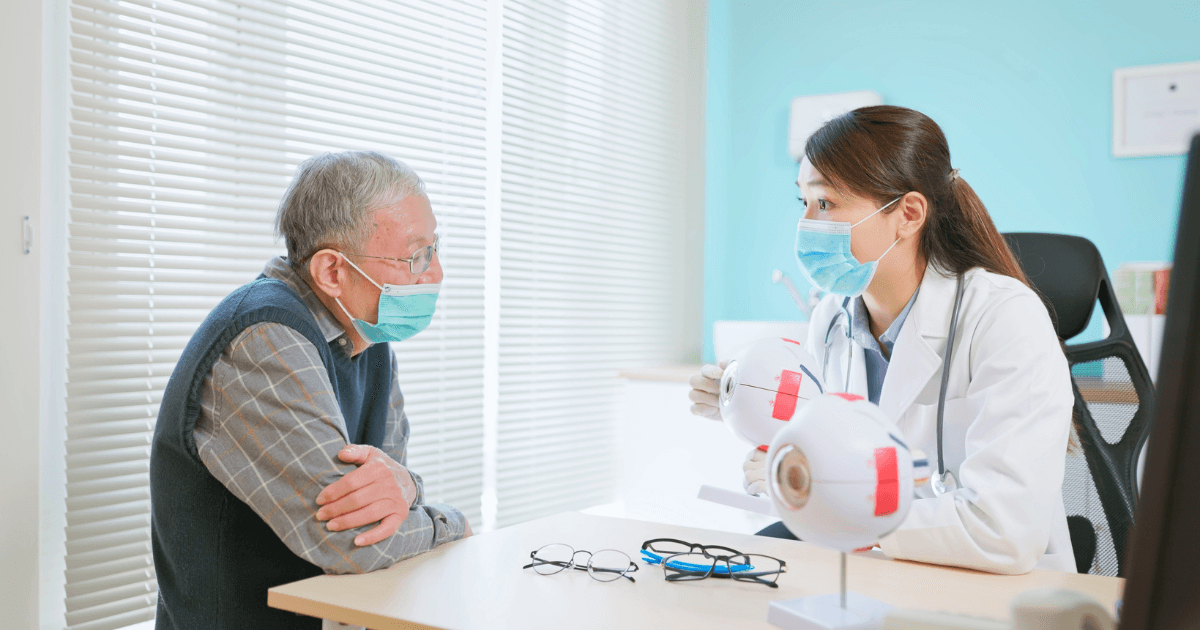
Presbyopia is diagnosed through a comprehensive eye examination. Your ophthalmologist will assess your near and distance vision, perform a refraction test to determine the most appropriate vision correction, and examine the overall health of your eyes to rule out other age-related eye conditions.
How is presbyopia corrected?
Presbyopia can be corrected with non-surgical vision correction options that improve near vision and support everyday activities. The most suitable option depends on your lifestyle, visual needs and whether you have other refractive errors.
Eyeglasses
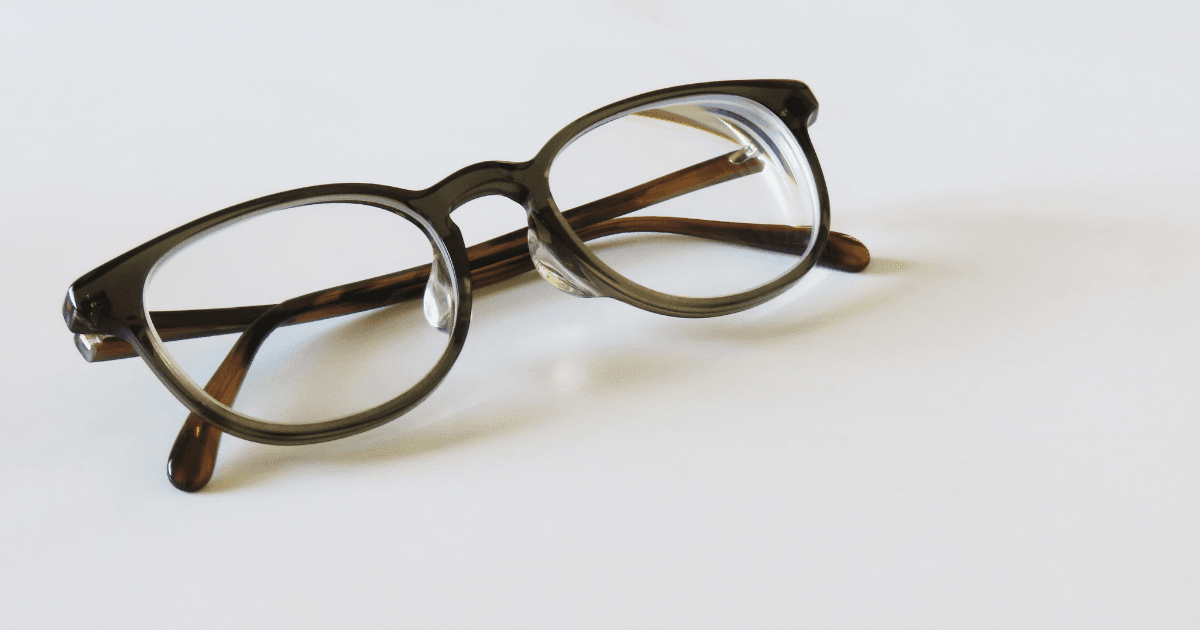
Reading glasses, bifocal lenses and progressive lenses can help improve near vision.

Can presbyopia be prevented?
Presbyopia cannot be prevented because it is a natural part of the ageing process. However, regular comprehensive eye examinations and healthy eye care habits can help maintain your vision and detect other age-related eye conditions early.
Tips for maintaining eye health
- Schedule regular eye examinations to monitor changes in your vision.
- Wear UV-protective sunglasses when outdoors.
- Eat a balanced diet rich in nutrients that support eye health.
- Manage chronic health conditions, such as diabetes and high blood pressure.
Managing & treating presbyopia
Although presbyopia is a natural part of ageing and cannot be reversed, a range of treatment options can improve near vision and reduce dependence on glasses. Your ophthalmologist will recommend the most suitable approach based on your vision needs and lifestyle.
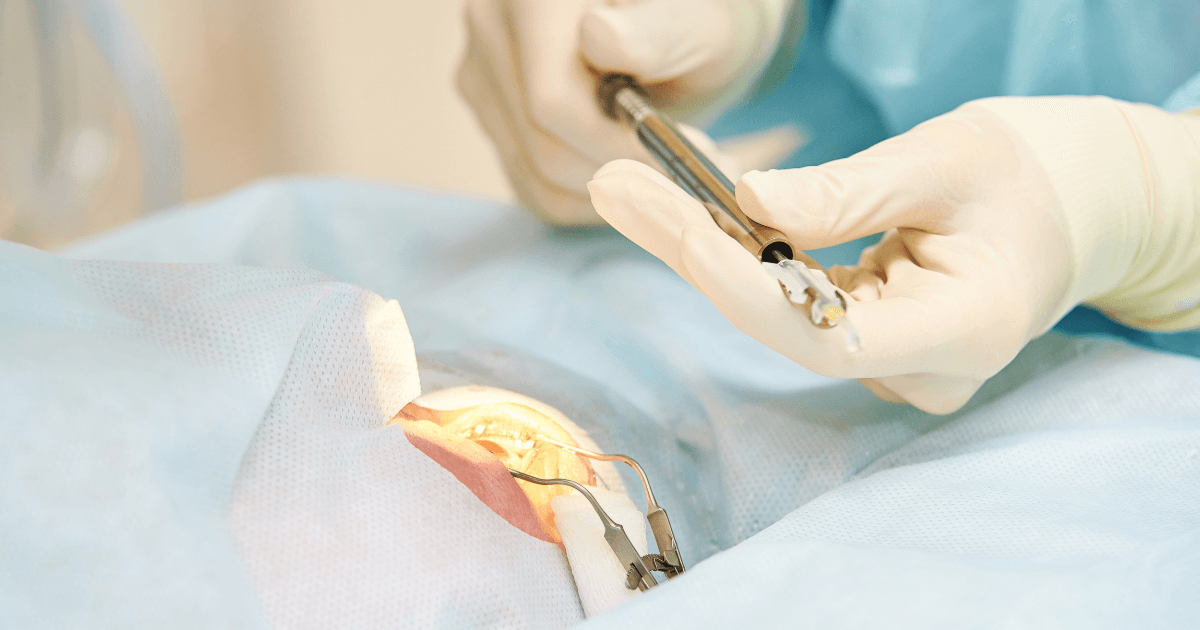
Monovision LASIK
Reshapes one eye for distance vision and the other for near vision, helping suitable patients reduce their dependence on reading glasses.
See our specialists
Our experienced ophthalmologists provide comprehensive assessments for presbyopia and offer personalised correction and treatment options to help you achieve clear, comfortable vision for everyday life.



Frequently asked questions
Ask us anything about how we can help you understand eye care better!
WHAT YOU SEE MATTERS
Don't Let Presbyopia Affect Your Daily Life
If you're experiencing symptoms of presbyopia, schedule a comprehensive eye examination to explore personalised correction and treatment options for clearer, more comfortable vision.