
Posterior Capsular Opacification (PCO)
Posterior Capsular Opacification (PCO)
Posterior Capsular Opacification (PCO) is one of the most common complications that can occur after cataract surgery. While some refer to it as a "secondary cataract," it is not the same as the original cataract and does not involve a new cataract forming. This condition can happen months or years after surgery and may affect one or both eyes.
Common symptoms
These symptoms occur because light is no longer able to pass clearly through the cloudy lens capsule to the retina. PCO symptoms are often similar to those of a cataract.
- Cloudy, blurred, or hazy vision
- Glare or halos around lights
- Difficulty focusing on objects
- Double vision in some cases
- Decreased visual clarity over time

When does Posterior Capsular Opacification (PCO) develop?
Posterior Capsular Opacification (PCO) does not appear immediately after cataract surgery. It typically develops gradually over time, from several weeks to years after the procedure. Younger patients who undergo cataract surgery are generally more likely to experience PCO earlier.
It is important to monitor your vision after cataract surgery and consult your eye specialist if you notice any deterioration in visual quality.
Treatments
The most effective treatment for PCO is a procedure known as YAG laser capsulotomy. It is a quick, painless outpatient treatment that uses laser energy to create a small opening in the cloudy posterior capsule. This allows light to pass through again, restoring clear vision.

YAG laser capsulotomy
Key benefits of YAG laser capsulotomy:
- Non-invasive and fast
- Immediate improvement in vision for most patients
- No need for surgical incisions
This procedure does not require hospital admission and you can return to most activities shortly after.
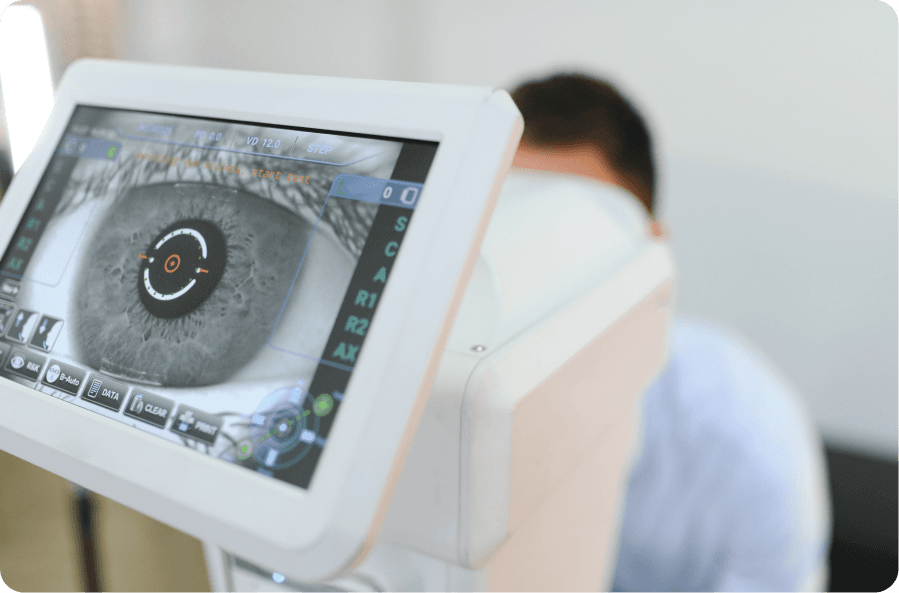
Diagnosis & eye tests
If you experience changes in your vision after cataract surgery, your ophthalmologist will carry out several diagnostic tests to determine whether PCO is the cause. These may include:
- Visual acuity tests
- Slit-lamp examination with pupil dilation
- Evaluation of the posterior capsule for cloudiness
Your eye specialist will assess the extent and type of opacification and recommend treatment accordingly.
Risk factors
While PCO cannot always be prevented, choosing the right lens implant and surgical techniques can help reduce the risk.
Age below 60 at the time of surgery
Diabetes mellitus
Pre-existing eye inflammation (such as uveitis)
Certain types of intraocular lens implants
Risk factors
Our Specialists
Our team of board-certified ophthalmologists and licensed optometrists brings together decades of specialized training and experience. Each doctor has completed additional fellowship training in subspecialty areas, ensuring you receive the most advanced care available.



Frequently asked questions
Ask us anything about how we can help you understand eye care better!
WHAT YOU SEE MATTERS
See an eye specialist today
If you notice cloudiness, glare, or reduced vision after cataract surgery, do not delay in seeking professional evaluation. PCO is easily treatable, and early intervention can restore your sight and quality of life.