Uveitis and Ocular Inflammation Treatment
Don't ignore eye inflammation
Understanding Uveitis and Ocular Inflammation
Uveitis is a common form of ocular inflammation that affects the eye and may cause redness, pain, blurred vision and light sensitivity. If left untreated, uveitis and ocular inflammation can lead to cataracts, glaucoma, retinal damage or permanent vision loss.
At Eagle Eye Centre, our ophthalmologists diagnose and treat uveitis and other inflammatory eye conditions using detailed eye assessment, diagnostic imaging and tailored treatment plans to protect long term vision.

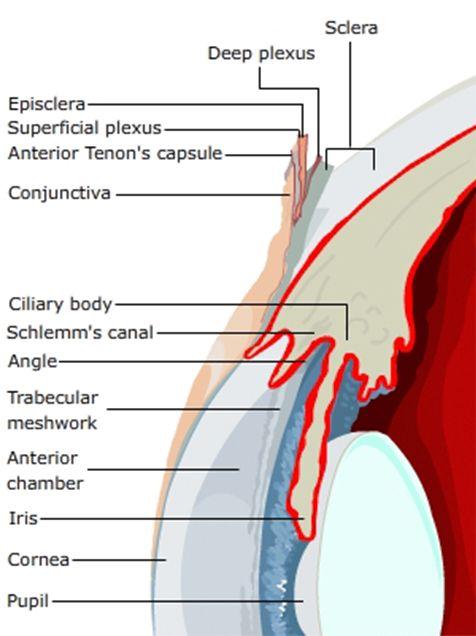
What is uveitis?
Uveitis is a medical condition characterised by inflammation of the uveal tract, the middle layer of the eye located between the retina and the outer white layer (sclera).
The uvea consists of three structures:
- Iris – the coloured part of the eye that controls how much light enters
- Ciliary body – produces fluid in the eye and helps focus the lens
- Choroid – a layer of blood vessels that supplies oxygen and nutrients to the retina
Inflammation affecting these structures can disrupt normal eye function and potentially damage sensitive eye tissues if not treated promptly.
Types of Uveitis
Uveitis is classified according to the location of inflammation within the eyes.
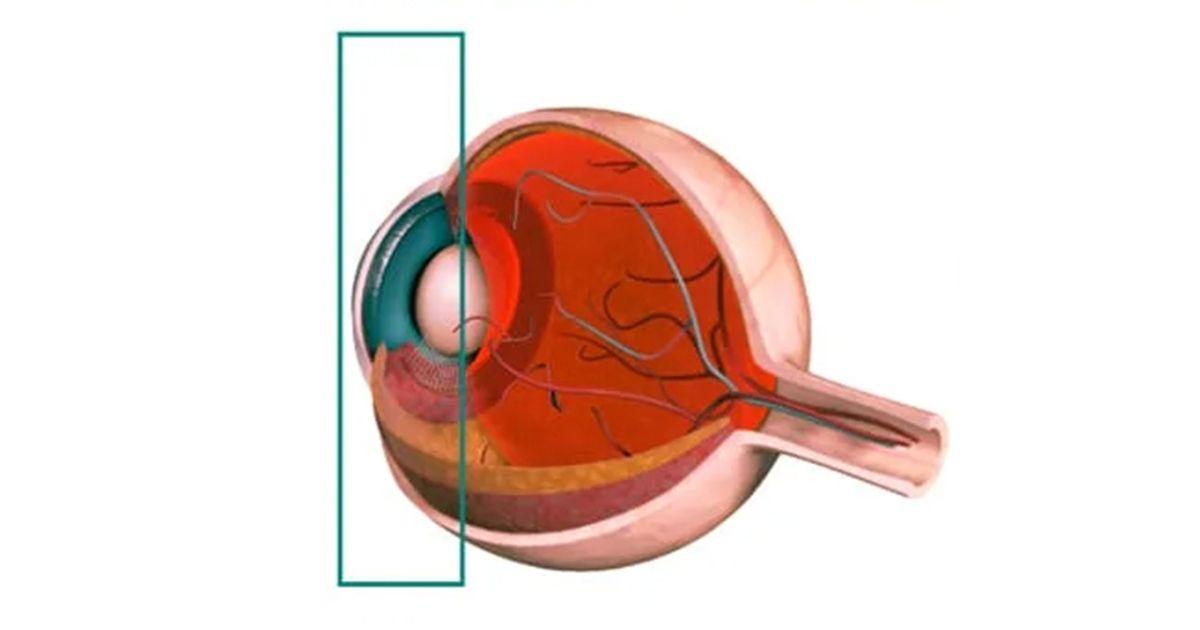
Anterior Uveitis
- The most common form of uveitis
- Affects the front part of the eye, mainly the iris
- Often associated with eye redness, pain, and light sensitivity
Symptoms of Ocular Inflammation
Symptoms may develop suddenly or gradually, depending on the type and severity of inflammation.
In some cases, inflammation may occur without obvious symptoms and is detected only during a comprehensive eye examination.
Eye redness
Eye pain or discomfort
Sensitivity to light (photophobia)
Blurred or reduced vision
Floaters (dark spots moving across vision)
Excessive tearing
Symptoms of Ocular Inflammation

Causes and risk factors
Ocular inflammation can occur due to a variety of causes. In some patients, no clear cause can be identified.
Possible causes include:
Autoimmune and inflammatory diseases
- Ankylosing spondylitis
- Sarcoidosis
- Rheumatoid arthritis
- Inflammatory bowel disease
Infections
- Viral infections (e.g. herpes viruses)
- Bacterial infections
- Tuberculosis
- Toxoplasmosis
Eye injury or trauma
Systemic diseases affecting the immune system
In some patients, uveitis may be part of a larger systemic condition affecting other organs in the body.
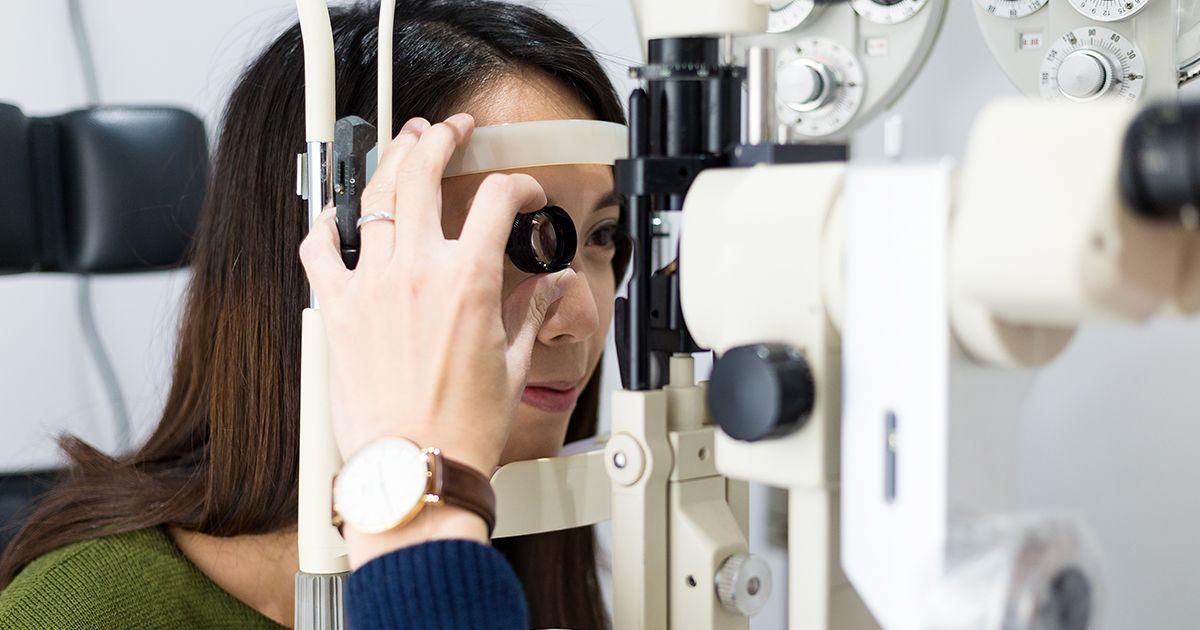
How uveitis is diagnosed?
Diagnosing uveitis requires a detailed eye examination by an ophthalmologist.
Your doctor may perform:
- Slit-lamp examination to assess inflammation in the front of the eye
- Dilated retinal examination to examine the retina and optic nerve
- Optical Coherence Tomography (OCT) imaging
- Fundus photography or angiography to evaluate retinal circulation
Because ocular inflammation may be associated with systemic conditions, additional tests may also be recommended, such as:
- Blood tests
- Imaging studies
- Infectious disease screening
These tests help identify the underlying cause and guide treatment decisions.
Treatment for Uveitis and Ocular Inflammation
Treatment aims to reduce inflammation, relieve symptoms, and prevent vision loss.
Depending on the severity and cause, treatment options may include:
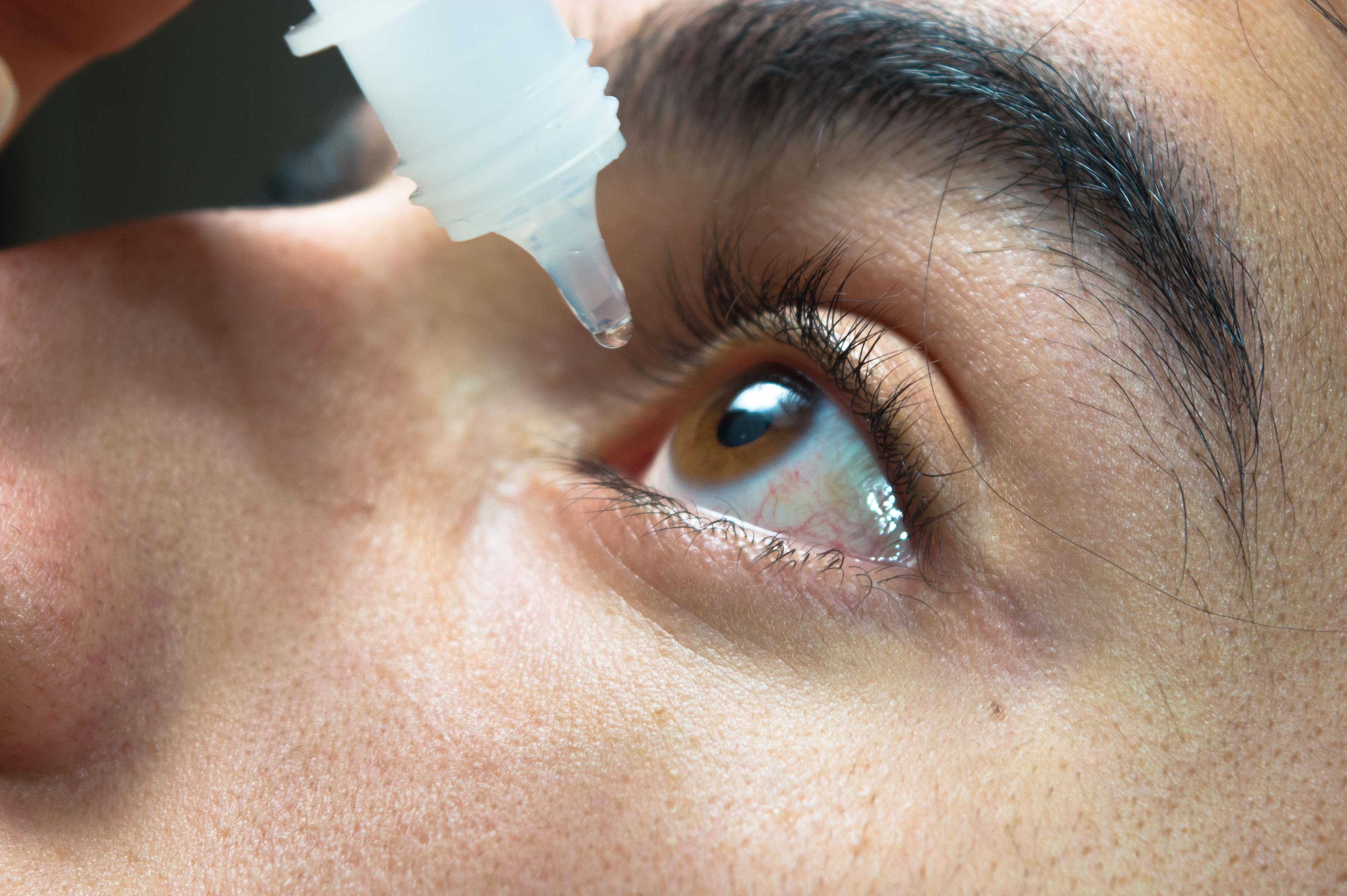
Medicated eye drops
- Corticosteroid eye drops to reduce inflammation
- Dilating drops to relieve pain and prevent complications
Frequently asked questions
Ask us anything about how we can help you understand eye care better!
WHAT YOU SEE MATTERS
Schedule an eye check up
If you are experiencing symptoms of uveitis or ocular inflammation, our ophthalmologists at Eagle Eye Centre can assess your condition and recommend a suitable treatment plan. Book a consultation for an eye assessment and take the first step towards protecting your vision.
Our Specialists
Our team includes fellowship-trained ophthalmologists with experience in uveitis, ocular inflammation and related eye conditions. With subspecialty expertise, detailed diagnostic evaluation and evidence-based treatment approaches, we provide timely care focused on controlling inflammation, managing underlying causes and protecting long term vision.