

Ptosis Surgery (Droopy Eyelid Correction)
Droopy Eyelid Correction
Ptosis Surgery
Ptosis, commonly referred to as droopy eyelids, is a condition where the upper eyelid sits lower than normal. This may affect one or both eyes and can range from mild eyelid drooping to severe cases where vision is partially obstructed. Ptosis can impact both visual function and appearance, and in some cases may cause eye strain, fatigue, or a compensatory head posture.
At Eagle Eye Centre, ptosis surgery is performed by oculoplastic surgeons — ophthalmologists with specialised training in eyelid, orbital, and peri-ocular surgery. This expertise is essential for accurate diagnosis, safe surgical correction, and preservation of eye function.
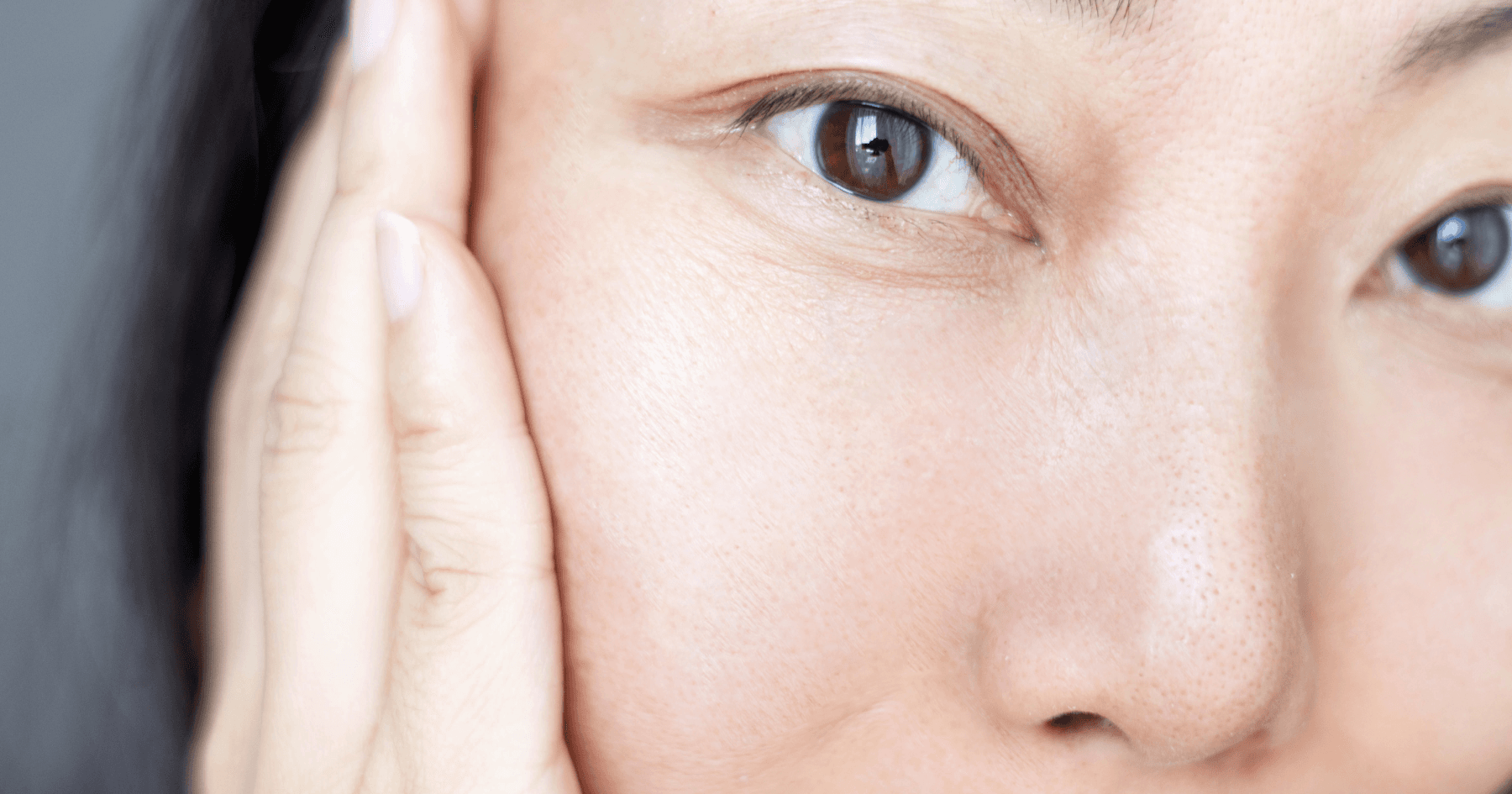
What is Ptosis?
Ptosis is a condition in which the upper eyelid droops lower than its normal position. This can reduce the visual field, especially when the eyelid covers part of the pupil. In children, ptosis may affect visual development, while in adults it may interfere with daily activities such as reading or driving.
Ptosis should be distinguished from excess eyelid skin (dermatochalasis), as the underlying causes and treatments differ.
Quick facts about Ptosis surgery
Surgical correction of drooping upper eyelids
May be performed for functional or aesthetic reasons
Can affect one or both eyes
Performed by oculoplastic surgeons
Usually a day surgery procedure
Quick facts about Ptosis surgery
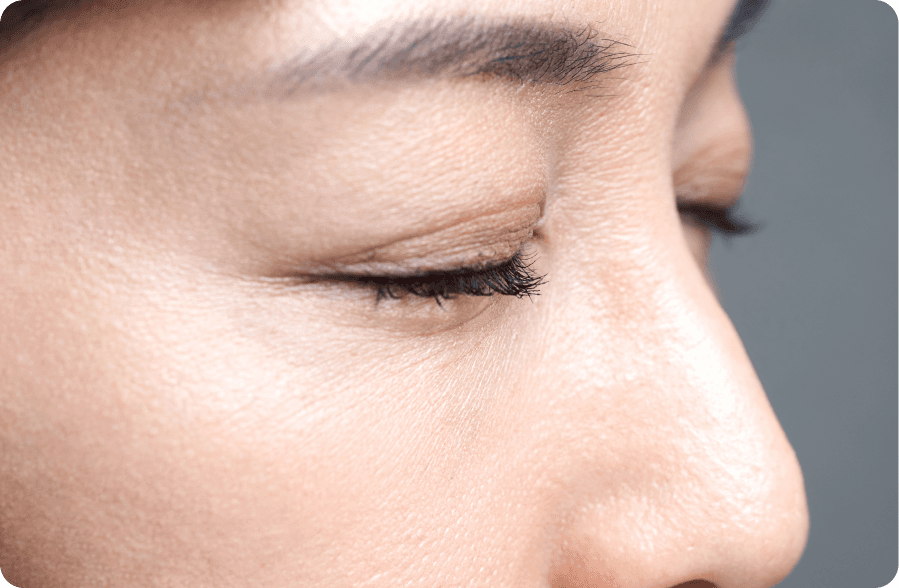
Causes & types of ptosis
Ptosis may occur due to various underlying reasons, including:
- Aponeurotic ptosis – age-related stretching or weakening of the muscle tendon that lifts the eyelid
- Congenital ptosis – present from birth due to poor muscle development
- Neurogenic ptosis – related to nerve conditions affecting eyelid movement
- Myogenic ptosis – associated with muscle disorders
- Mechanical ptosis – caused by eyelid masses or swelling
Accurate diagnosis is essential to determine the appropriate treatment approach.
Who may need ptosis surgery?
Ptosis surgery may be recommended for individuals who experience:
- Upper eyelid drooping that obstructs vision
- Eye fatigue or brow strain from constantly lifting the eyelids
- A tired or asymmetrical appearance
- Head tilting or raised eyebrows to improve vision
A detailed consultation is required to assess whether surgery is necessary and whether the indication is functional, aesthetic, or both.

Non-surgical options for ptosis
Non-surgical options may be considered in selected cases, particularly when ptosis is mild or when surgery is not immediately suitable. These may include:
- Observation and monitoring
- Temporary eyelid support devices (such as ptosis crutches in spectacles)
- Treating underlying medical or neurological conditions
However, non-surgical options do not correct the underlying muscle or tendon issue and are generally limited in effectiveness. Surgery remains the definitive treatment for most cases of ptosis.

How ptosis surgery works
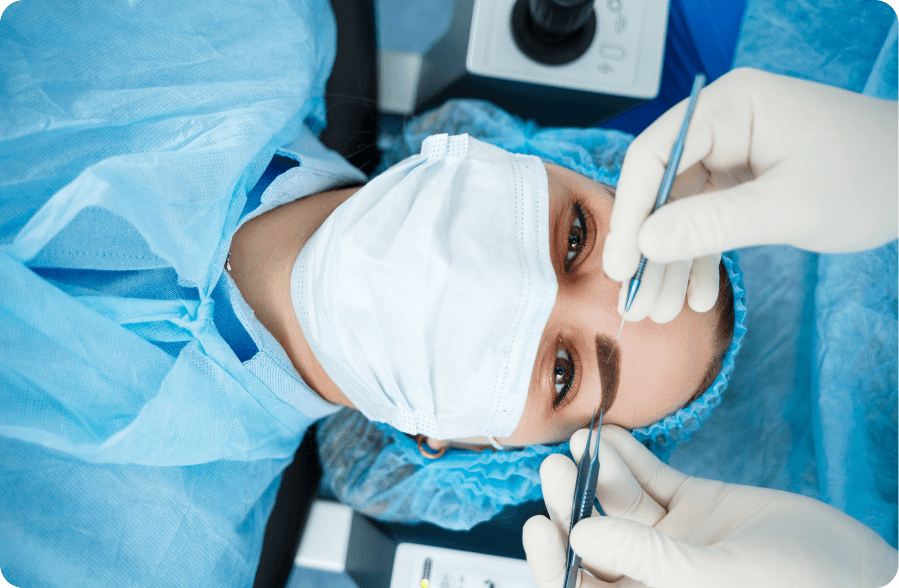
Ptosis surgery aims to restore the normal position of the upper eyelid by tightening or repositioning the muscles or tendons responsible for lifting the eyelid. The surgical technique used depends on the type and severity of ptosis, as well as eyelid muscle function.
Incisions are typically placed within natural eyelid creases to minimise visible scarring. Surgery is usually performed as a day procedure under local anaesthesia with sedation or general anaesthesia, depending on individual circumstances.
Benefits & expected outcomes
Outcomes vary depending on individual anatomy and the underlying cause of ptosis, and these will be discussed during consultation. The goals of ptosis surgery include:
Improved visual field where vision is obstructed
Reduced eye strain and fatigue
Better eyelid symmetry
A more alert and refreshed appearance
Benefits & expected outcomes
Risks & safety considerations
As with any surgical procedure, ptosis surgery carries potential risks, which may include infection, bleeding, asymmetry, under-correction or over-correction, dry eye symptoms, or recurrence. These risks are generally low when surgery is performed by an experienced oculoplastic surgeon.
A thorough discussion of risks and benefits forms part of the pre-operative assessment.
Recovery & aftercare
Post-operative instructions and follow-up visits are provided to ensure proper healing and eyelid positioning. Following surgery, temporary swelling, bruising, and mild discomfort are expected. Most patients:
Return home on the same day
Resume light activities within a few days
Return to work within 1–2 weeks
depending on recovery
Recovery & aftercare
Frequently asked questions
Ask us anything about how we can help you understand eye care better!
Our Specialists
Our team includes fellowship-trained oculoplastic surgeons with extensive experience in ptosis surgery, treating drooping upper eyelids, and addressing eyelid asymmetry. With advanced subspecialty expertise in eyelid, orbital, and peri-ocular surgery, we provide highly customized, evidence-based care focused on restoring the normal position of the upper eyelid, improving visual field obstruction, and achieving better eyelid symmetry.



WHAT YOU SEE MATTERS
Schedule an eye check up
If you are experiencing droopy eyelids, visual obstruction, or eyelid asymmetry, our oculoplastic surgeons at Eagle Eye Centre can assess your condition and advise whether ptosis surgery is appropriate for you.