
Blepharoplasty Eyelid Surgery
Eyelid Surgery
Blepharoplasty
Blepharoplasty, commonly known as eyelid surgery, is a surgical procedure performed to correct excess skin, fat, or muscle of the upper and/or lower eyelids. It may be undertaken for functional reasons, such as visual obstruction caused by drooping eyelids, or for aesthetic concerns, including eyelid heaviness or under-eye bags.
At Eagle Eye Centre, blepharoplasty is performed by oculoplastic surgeons; ophthalmologists with specialised training in eyelid, orbital, and peri-ocular surgery. This expertise is essential given the complex anatomy of the eyelids and their close relationship to eye function.
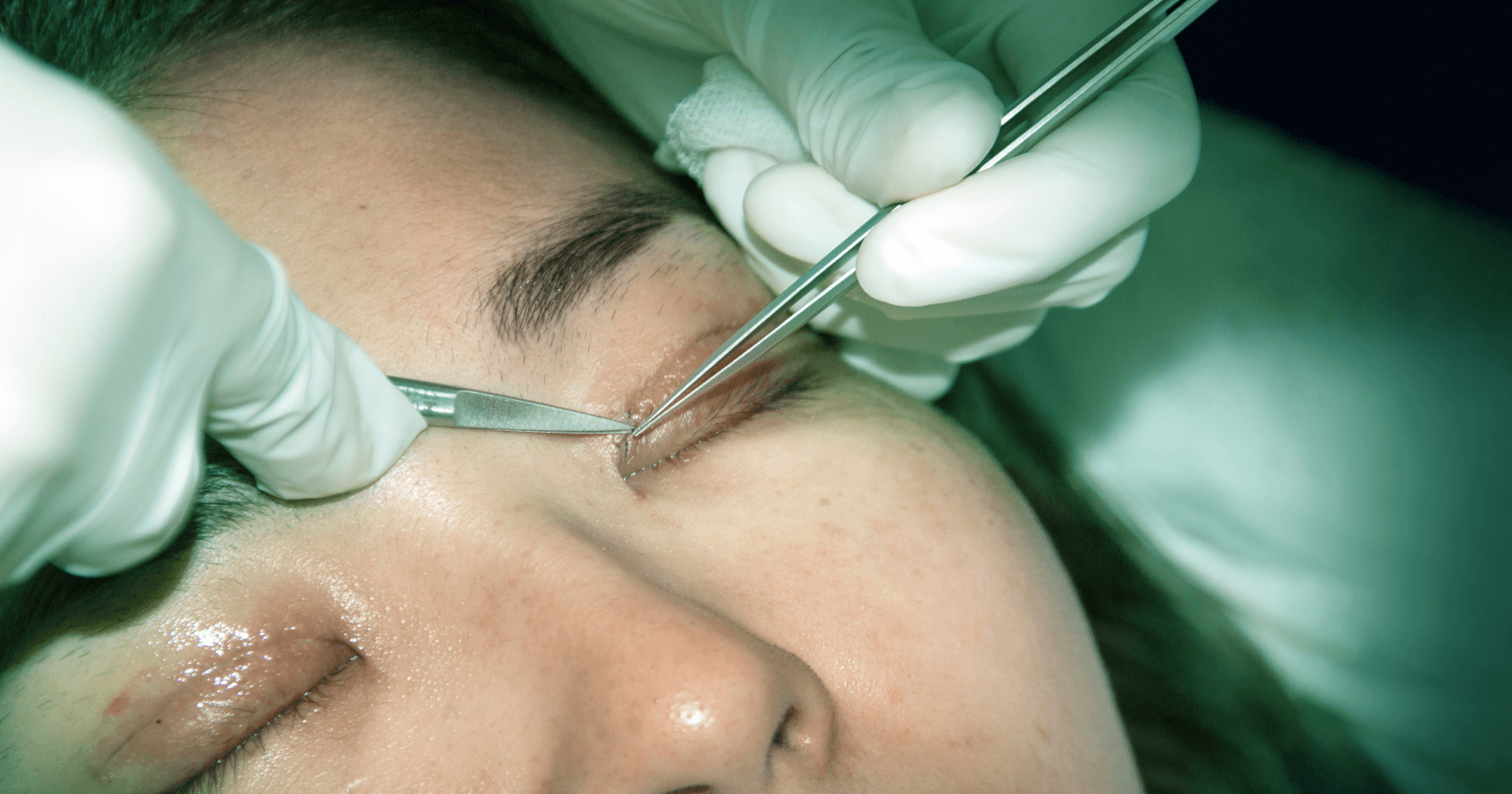
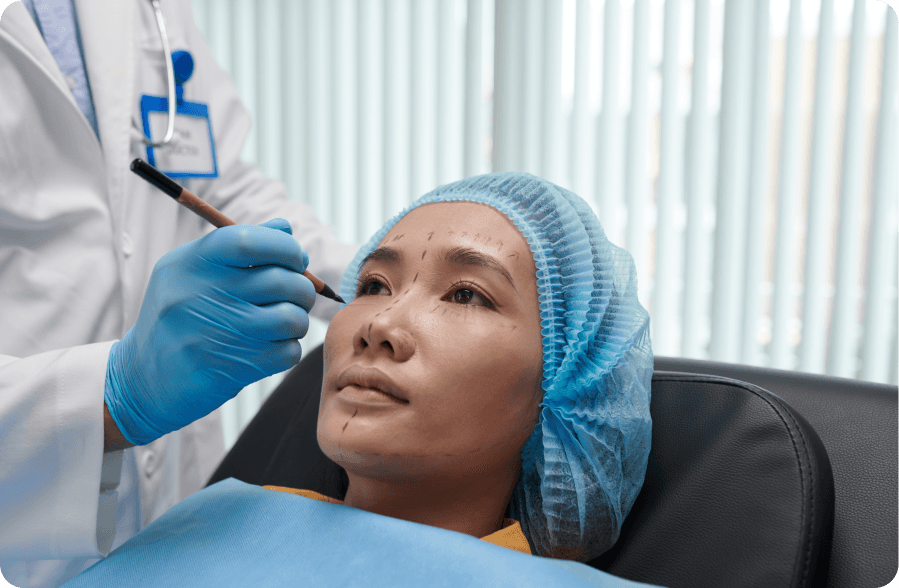
What is Blepharoplasty?
Blepharoplasty is a surgical procedure that removes or repositions excess eyelid skin, fat, and muscle to improve eyelid contour and function. Over time, age-related changes can cause eyelid skin to droop or fat to protrude, leading to a heavy or tired appearance and, in some cases, impaired vision.
Because the eyelids play a critical role in protecting the eyes and maintaining ocular comfort, blepharoplasty requires careful assessment and surgical precision, particularly when performed near the eye surface.
Quick facts about Blepharoplasty
Surgical correction of excess eyelid skin and/or fat
Can be performed on upper eyelids, lower eyelids, or both
May be done for functional or aesthetic reasons
Performed by Oculoplastic surgeons
Typically a day surgery procedure
Quick facts about Blepharoplasty
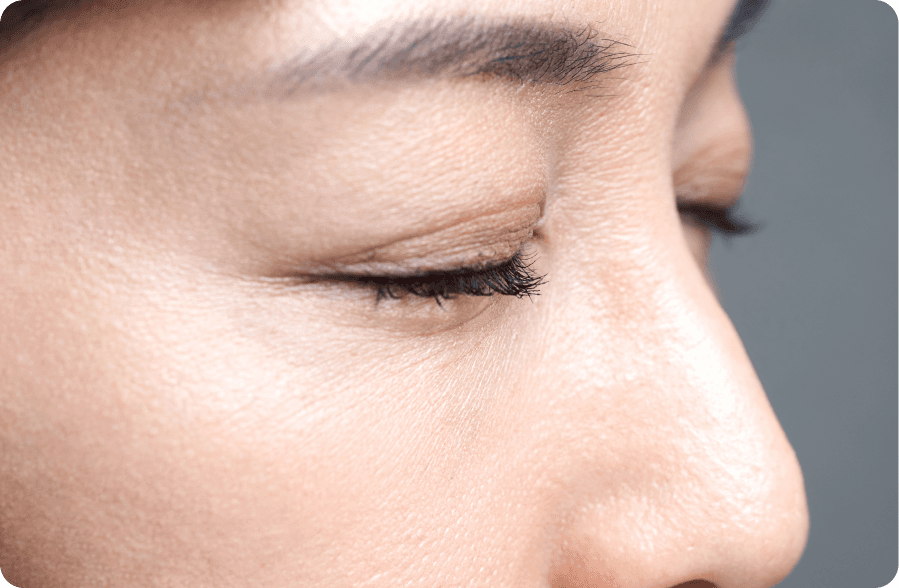
Who may benefit from Blepharoplasty?
Blepharoplasty may be considered for individuals who experience:
- Drooping upper eyelids that obstruct vision
- Excess eyelid skin causing heaviness or fatigue
- Under-eye bags due to fat protrusion
- Difficulty keeping eyes open for prolonged periods
- A tired or aged appearance around the eyes
A consultation with an oculoplastic surgeon is required to determine whether surgery is appropriate and whether the indication is functional, aesthetic, or both.
Types of Blepharoplasty

Upper Eyelid Blepharoplasty
Upper eyelid blepharoplasty removes excess skin and, when necessary, fat from the upper eyelids. It may be performed to:
- Improve visual field obstruction
- Reduce eyelid heaviness
- Restore a more open eyelid appearance

Benefits and expected outcomes
Blepharoplasty aims to:
- Improve eyelid function where vision is affected
- Reduce eyelid heaviness or fatigue
- Create a more refreshed and rested appearance
- Achieve natural-looking results without altering eye shape
Outcomes vary depending on individual anatomy and surgical goals, and these will be discussed during consultation.
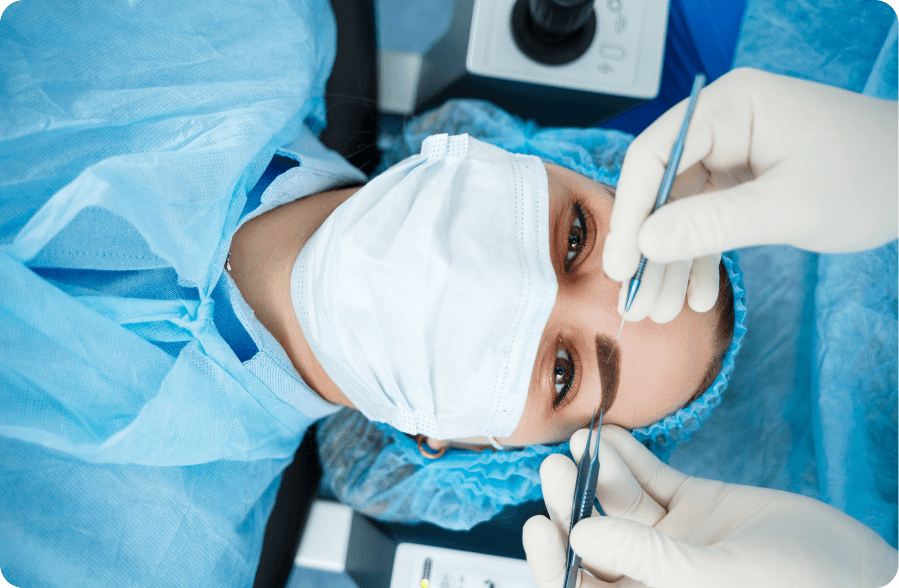
The surgical procedure
Blepharoplasty is usually performed as a day surgery procedure under local anaesthesia with sedation or general anaesthesia, depending on the case. Incisions are carefully placed within natural eyelid creases or along the lash line to minimise visible scarring.
Surgical planning is customised to ensure both functional safety and aesthetic balance.
Recovery & aftercare
Following surgery, temporary swelling, bruising, and mild discomfort are expected. Post-operative instructions and follow-up appointments are provided to support healing and monitor outcomes.
Return home on the same day
Resume light activities within a few days
Return to work within 1–2 weeks
depending on recovery
Recovery & aftercare
Frequently asked questions
Ask us anything about how we can help you understand eye care better!
Our Specialists
Our team includes fellowship-trained oculoplastic surgeons with extensive experience in upper and lower eyelid blepharoplasty, correcting excess eyelid skin, and treating under-eye bags. With advanced subspecialty expertise in eyelid anatomy and peri-ocular surgery, we provide highly customized, evidence-based care focused on preserving ocular function and achieving natural-looking, refreshed aesthetic outcomes.



WHAT YOU SEE MATTERS
Schedule an eye check up
If you are experiencing drooping eyelids, visual obstruction, or concerns about eyelid appearance, our oculoplastic surgeons at Eagle Eye Centre can assess your condition and advise whether blepharoplasty is appropriate for you.