
Neuro-Ophthalmology
Diagnosis and Management of Vision Problems Related to the Brain and Nerves
Neuro-Ophthalmology in Singapore
Neuro-ophthalmology is a subspecialty that focuses on visual problems related to the nervous system, including conditions affecting the optic nerve, eye movement pathways, eyelids, and areas of the brain involved in vision.
Some visual symptoms do not originate from the eye itself, but from structures behind or around the eye, or from the brain. Neuro-ophthalmology plays a key role in identifying these conditions and coordinating appropriate care.
How vision works
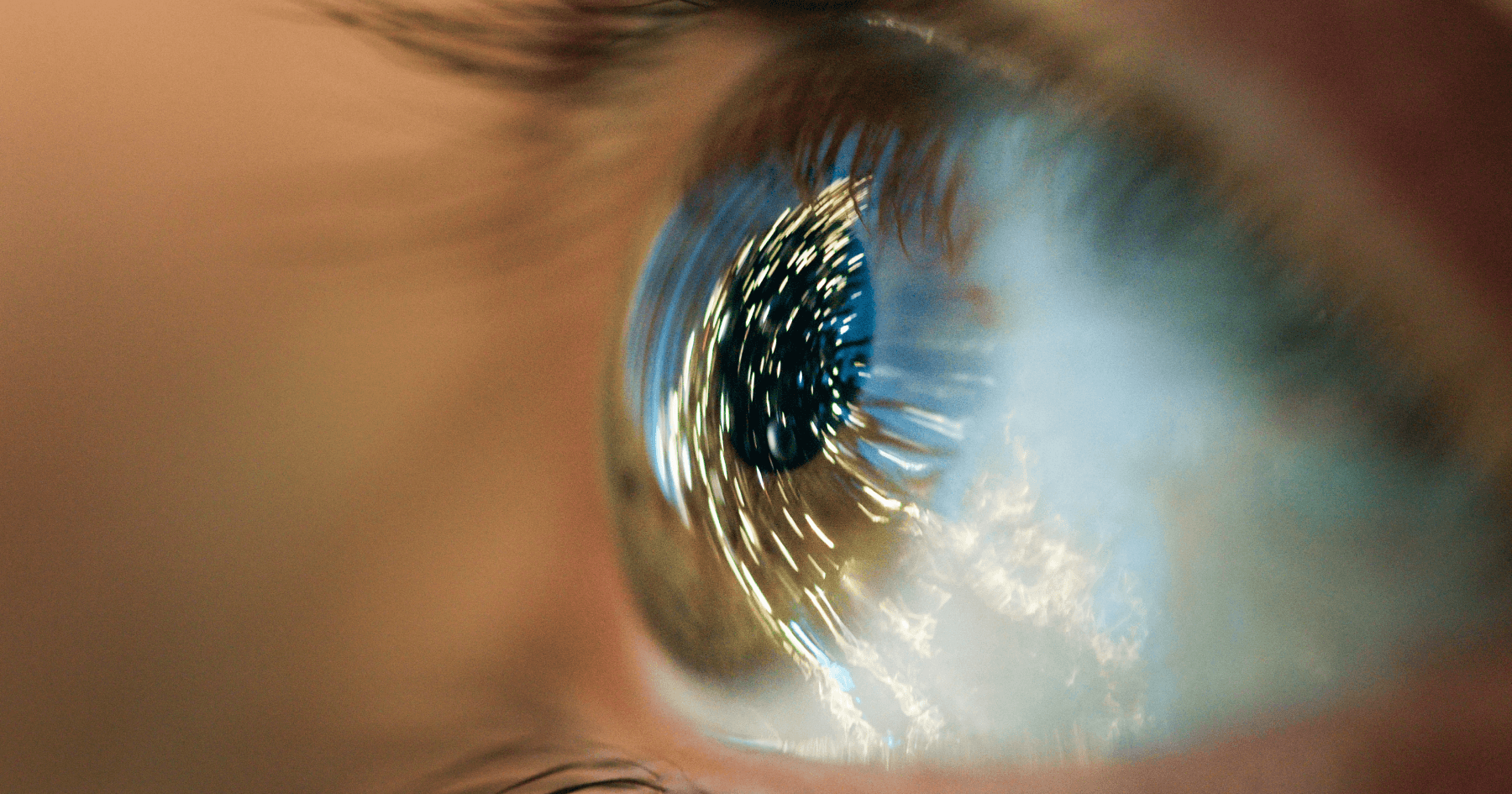
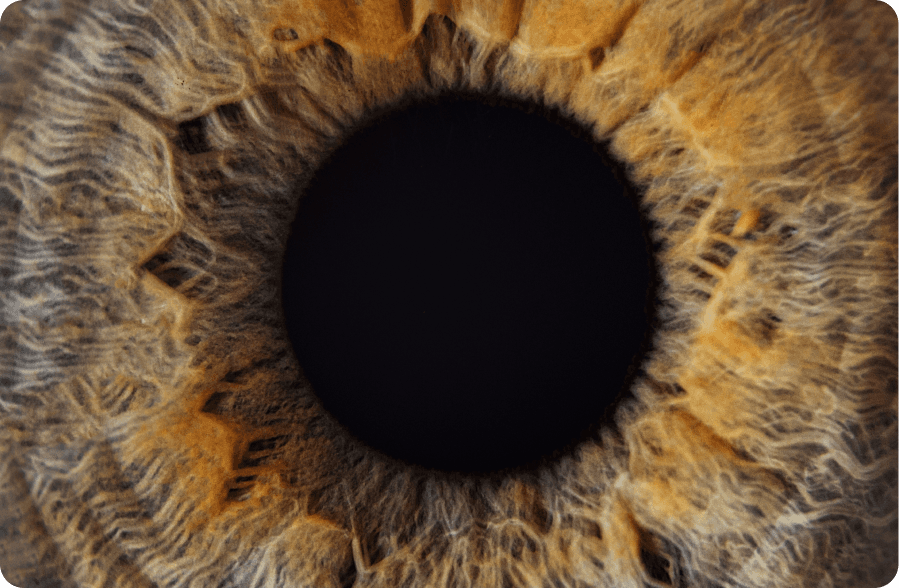
Vision begins when light enters the eye through the cornea, passes through the pupil, and is focused by the lens onto the retina at the back of the eye. The retina contains light-sensing cells that convert light into electrical signals.
These signals travel through the optic nerve to the brain, where multiple brain regions process them into images. Any disruption along this pathway — from the eye to the brain — can affect vision.
How neurologic conditions affect vision
Neuro-ophthalmology evaluates visual symptoms that may indicate neurologic causes and helps differentiate them from eye-related conditions. Visual disturbances can arise not only from eye diseases, but also from:
Disorders of the optic nerve
Problems affecting eye movement nerves
Conditions involving the brain or brainstem
Disorders affecting eyelid control
How neurologic conditions affect vision

Facial twitching and Blepharospasm
Blepharospasm refers to involuntary contraction of the eyelid muscles, leading to excessive blinking or forced eyelid closure. When severe, patients may be functionally unable to see during spasms.
The most common form is benign essential blepharospasm (BEB):
- “Benign” indicates it is not life-threatening
- “Essential” means the cause is not fully understood
Although the eyes themselves are usually normal, vision is impaired due to involuntary eyelid closure.
Blepharospasm should be distinguished from:
- Ptosis – drooping eyelids due to muscle weakness
- Blepharitis – eyelid inflammation
- Hemifacial spasm – involuntary facial muscle contractions on one side, often requiring brain imaging
Common neuro-ophthalmic conditions
Neuro-ophthalmic conditions managed include:
Facial twitching and eyelid spasms
Double vision
Drooping eyelids
Visual field loss
Optic nerve disorders
Neurologic conditions affecting vision
Common neuro-ophthalmic conditions
Eyelid Twitching (Myokymia)
This condition is usually benign and self-limiting, and treatment is often unnecessary. Eyelid myokymia refers to fine, involuntary eyelid twitching, usually affecting one eyelid. It is commonly associated with:
Stress
Fatigue
Excessive caffeine
Eyelid Twitching (Myokymia)
Double vision (Diplopia)
Diplopia is the perception of two images of a single object. It may occur constantly or intermittently.
Normal single vision requires coordination between:
- The cornea and lens
- The retina and optic nerve
- Eye movement muscles
- Visual processing centres in the brain
Disruption at any point along this system can result in double vision.

Brain and pituitary tumours affecting vision
Visual field testing and brain imaging are commonly used for diagnosis. Treatment may involve surgery, radiation therapy, or medication, followed by long-term monitoring. Certain brain tumours can affect vision depending on their size and location. Pituitary adenomas may compress the optic nerves or optic chiasm, leading to:
- Loss of peripheral vision
- Double vision
- Drooping eyelids
Diagnosis & assessment
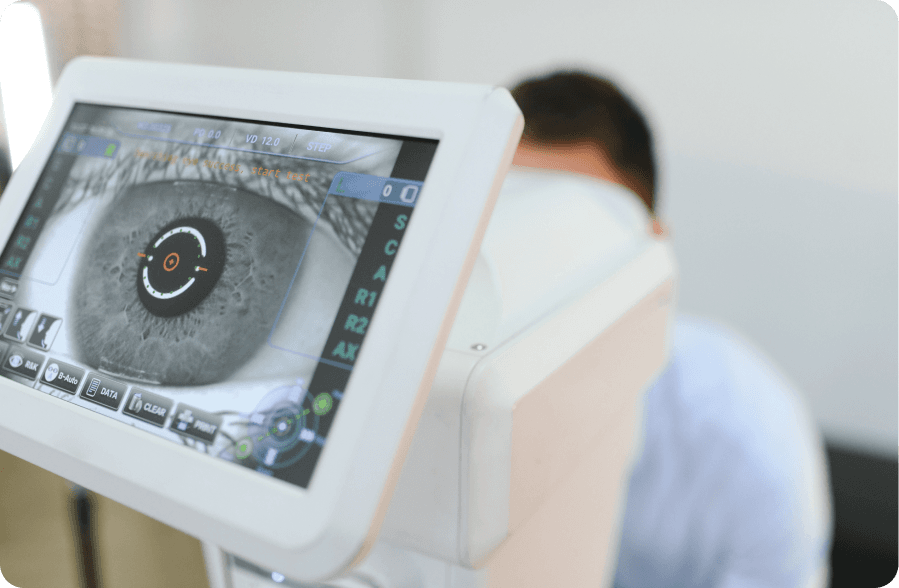
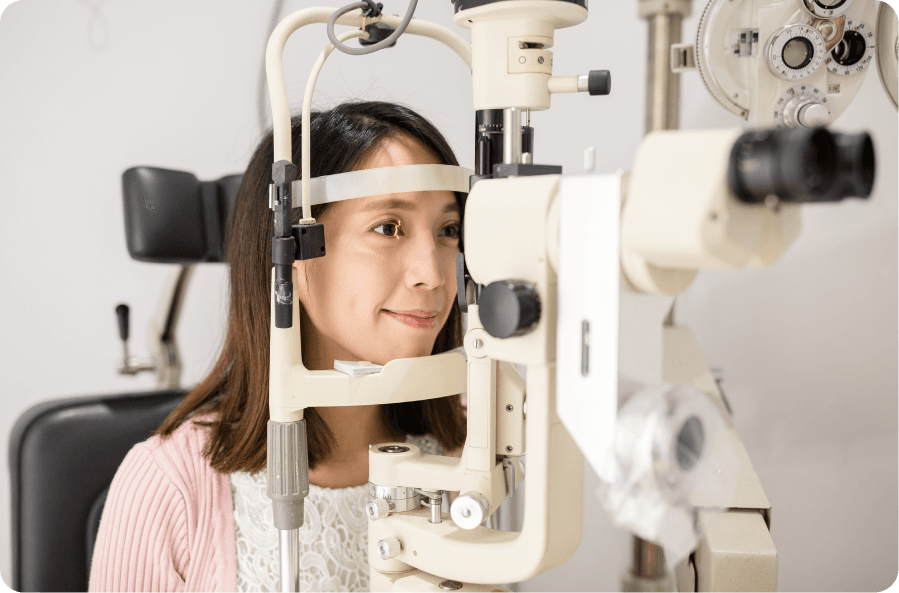
Accurate diagnosis is essential to guide appropriate treatment and referral. Neuro-ophthalmic evaluation may include:
- Detailed history and symptom review
- Eye and neurologic examination
- Visual field testing
- Imaging studies such as MRI or CT scans
- Blood tests or nerve studies where appropriate

Treatment & management
Some conditions are chronic and require long-term follow-up. Management depends on the underlying cause and may include:
- Observation and monitoring
- Medications
- Botulinum toxin injections for eyelid spasms
- Surgical intervention when indicated
- Multidisciplinary care with neurologists or neurosurgeons
Frequently asked questions
Ask us anything about how we can help you understand dry eyes better!
Our Specialists
Our team includes a fellowship-trained neuro-ophthalmologist with extensive experience in optic nerve disorders, double vision, and facial twitching and eyelid spasms. With advanced subspecialty expertise in visual problems related to the nervous system and eye movement pathways, we provide highly customized, evidence-based care focused on accurate diagnosis, targeted management, and coordinating appropriate multidisciplinary care.

WHAT YOU SEE MATTERS
Protect your neurological eye health
Schedule a consultation with our neuro-ophthalmology experts today.